With the popularization of dental education, more and more people have developed a good dental hygiene habit of regularly scaling their teeth once a year. But in fact, there are still many patients who have a misunderstanding that the annual scaling can keep the teeth clean, without the need for daily brushing. This is a big misunderstanding.
After teeth cleaning, the gums will be less red, swollen and bleeding, but that doesn't mean you can ignore the importance of daily care. Scaling is only a basic teeth cleaning of the surface of the teeth. If you do not pay attention to daily teeth cleaning and only rely on dental scaling every year, the gums will still be infected and suffer from periodontal disease. Therefore, maintaining oral hygiene plays a very important role for the recovery of the gums, and the patient's self-discipline and perseverance can make the treatment far more effective.
Common questions from patients!
Based on the past years of clinical observations, here are some common questions that patients would ask after scaling.
1. Why do I feel discomfort or pain in my gums after scaling?
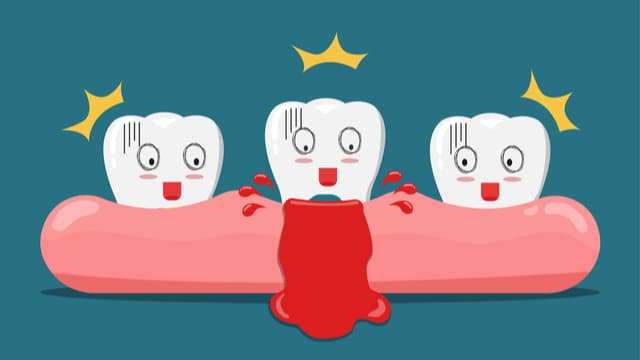
Patients may experience mild oral discomfort and bleeding gums for a few days after scaling. This is normal because the usual oral environment has changed after the removal of stains, calculus and food residues from the teeth. Patients may feel uncomfortable at first.
However, if good oral hygiene is maintained, oral discomfort and bleeding gums will gradually disappear, and the gums will ultimately return to the healthy condition.
2. Why do I experience tooth sensitivity or enlarged gap between the teeth after scaling?
Scaling can remove the calculus, after which the exposed roots of the teeth may expand. Hence, food which are too cold or too hot and irritating may cause the teeth to become relatively sensitive. At the same time, after teeth cleaning the teeth and gums through scaling, the originally infected swelling gums will be reduced, making the gap between the teeth look more obvious.
However, the sensitive condition is in short-term and will be relieved in about 2 to 3 days. In addition to avoiding eating food which are too acidic and cold, you may also consider using desensitizing toothpaste to reduce tooth sensitivity. If the sensitivity symptoms are severe or cannot be relieved, it may be necessary to visit the clinic for a thorough examination by a dentist, who may prescribe the professional desensitizers to fix the problem.
3. How can I maintain oral hygiene after scaling?
After the dentist or dental hygienist completes the scaling, he or she will always remind the patient of the relevant region of the teeth which requires further teeth cleaning afterwards, and teach the patient to apply the correct technique of brushing, flossing or using interdental brush and other oral care products to keep the mouth clean. The patient can use an antibacterial mouthwash or warm saline gargle, if necessary, but they should generally not be used for more than 2 weeks.
If you have any questions, please consult your trusted family dentist.
For the full procedure, fee components and aftercare pointers, see the teeth scaling service page.