Can root canal treatment be performed in decayed primary teeth?
Paediatric Dentistry

Can root canal treatment be performed in decayed primary teeth?

Severely decayed baby teeth can often be saved with a pulpotomy or pulpectomy, protecting the space your child's adult teeth need to come through.

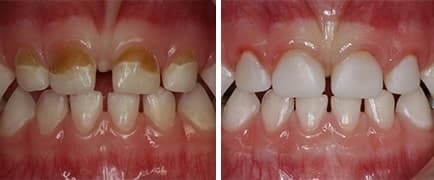
Root canal treatment is mainly applied to teeth whose roots are infected by bacteria. It is a course of treatment for tooth preservation. When children’s milk teeth have severe cavities or their teeth have been damaged due to trauma, the dentist may suggest that the children receive root canal treatment.

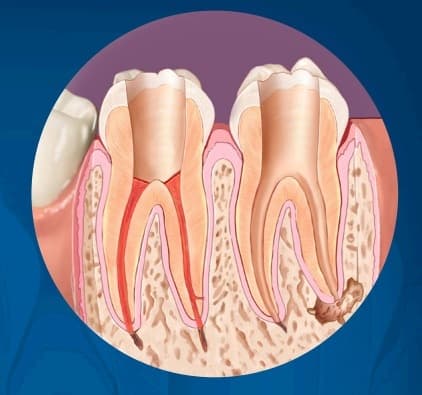
The roots of primary teeth generally have not yet fully developed. If the tooth decay and inflammation do not reach the root base, there is usually a greater chance that only the infected tissue in the crown and pulp can be removed, so that the root remains intact and continues to have normal nerves and blood supply. This process is called pulpotomy. The blood supply allows the teeth to continue to grow healthily without having to clear all the nerves of the teeth.
Can root canal treatment be performed in decayed primary teeth?

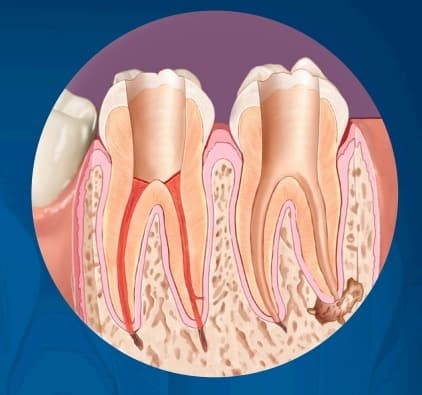
If the infection involves tissues in both the crown and root of the tooth, the toothache is severe or tooth abscess have formed, it may be better to completely remove the pulp. In a pulpectomy, the pulp and nerve tissue in the crown and root canal will all be removed, and then the pulp cavity and root canal will be thoroughly cleaned and disinfected. After that, the dentist will fill the teeth and roots with dental materials.

Root canal treatment of primary teeth does not affect the growth of permanent teeth, because primary teeth and permanent teeth have their own pulp system. If the decay of the primary tooth is not treated in time, it will cause root infection or even inflammation of the root tip, which may affect the development and eruption of permanent teeth.

On the other hand, when the roots of the permanent teeth have been fully developed, root canal treatment will usually completely remove the pulp and nerve tissue. The root structure of permanent teeth is more complicated. If bacteria enter the bottom of the tooth root but without thoroughly clearing the root, there is a chance that bacteria will accumulate, and the root tip may be inflamed or ulcerated.

Some parents may think that the primary teeth will be replaced by permanent teeth sooner or later, so why do we need to keep the teeth? In fact, primary teeth can help guide the growth of permanent teeth and reserve growth space for permanent teeth. Unless the primary teeth are close to the time for tooth replacement, there is still a need to retain teeth.

#rootcanaltreatment  #primaryteeth #paediatricdentisry

Article Info

First published: 31 January 2021

Last reviewed: August 2026

Share

FAQ

Frequently Asked Questions

  • How much does root canal treatment for a child's milk tooth cost?

    Treatment for a primary (milk) tooth is either a pulpotomy at HK$3,500 or a pulpectomy at HK$4,000, each charged per tooth. Which one your child needs is decided after an examination and an X-ray of the pulp. Actual fees and treatment time depend on the complexity of your case and the treating dentist's level of training. After a clinical assessment our team will explain your condition, the fee and the time involved, so you can decide what is right for you. Early assessment of development and timing matters — problems guided early are simpler and less costly to manage. After a clinical assessment we explain the fee components clearly, and treatment starts only with your consent. WhatsApp us at +852 5402 6630 to arrange a clinical assessment.

  • What's the difference between pulpotomy and pulpectomy for children?

    A pulpotomy removes only the infected tissue in the crown and pulp chamber, leaving the root intact so the tooth continues to grow normally. A pulpectomy removes all pulp and nerve tissue from both the crown and root canal when infection is severe or an abscess has formed. Your dentist will recommend the appropriate treatment based on the extent of decay.

  • Will root canal treatment on a milk tooth affect the permanent tooth underneath?

    No, root canal treatment on primary teeth does not affect permanent teeth because they have separate pulp systems. In fact, leaving an infected milk tooth untreated can cause root inflammation that may harm the developing permanent tooth underneath. Treating the primary tooth protects the permanent tooth's development.

  • How long does root canal treatment take for a child's tooth?

    The duration varies depending on whether a pulpotomy or pulpectomy is needed. A pulpotomy is generally quicker as it involves less tissue removal. A full pulpectomy requires thorough cleaning and disinfection of the root canals, which may take longer. Your dentist will explain the expected timeline during the consultation.

  • Why not just extract the milk tooth instead of doing root canal treatment?

    Primary teeth guide the growth of permanent teeth and reserve space for them. Removing a milk tooth too early can cause spacing problems and affect how permanent teeth erupt. Unless the primary tooth is close to natural replacement time, preserving it through root canal treatment is usually the better option.

  • Are there any risks or side effects from root canal treatment in children?

    Root canal treatment for primary teeth is generally safe when performed by a qualified dentist. Potential concerns include incomplete removal of infected tissue if the root structure is complex, though this is less common in milk teeth. Your dentist will assess your child's specific case and discuss any considerations during the consultation.

Still wondering about something? Our team is happy to chat.

Reminder: You have the right to choose a Hong Kong dentist based on your individual needs. We recommend referring to the list of registered dentists published on the official website of the Dental Council of Hong Kong to make a choice best suited to your personal needs. The above content is intended to give you a brief introduction to the nature and effects of the relevant dental procedures, so that you can make informed decisions when choosing a dentist and related treatment options. All treatments have advantages and disadvantages — the key is that you must have a basic understanding of different treatments and procedures and be aware of the associated risks. The above content does not represent the professional opinion or views of any dentist or dental institution. For the sake of your health, please consult your family dentist for formal medical advice.

This article is compiled by the Public Education Team of Home Dental and has been reviewed and approved by the Content Review Committee of Home Dental. The Committee comprises members of our Board of Directors, legal advisors, and relevant professionals, and is responsible for vetting all externally published health education content to ensure it is professional, accurate, relevant to the local context, and regularly updated to meet Hong Kong dental service standards.

This content is originally produced by Home Dental, all rights reserved. Unauthorized reproduction, modification, or publication is prohibited. Violators will bear legal responsibility. For citation or partnership inquiries, please contact our center for written permission.

Last updated: Aug 2026

Root Canal Treatment? Checklist to identify failed ones

Want to know more about Paediatric Dentistry?

31 general & specialist dentists · Licensed daycare procedure centre