🎉 Just Got Your Braces Off? Don't Say Goodbye to Your Dentist Yet!
After enduring two to three years as a "metal mouth" or wearing clear aligners, the moment your orthodontist announces your braces are coming off is one of the most exciting moments of your life! But hold on—if you think you can relax and consider the job "done forever" (once and for all), you are sorely mistaken.
Many patients return to the clinic one or two years later pleading: "Doctor, why are my teeth crooked again?" The reason is almost always the same: Failure to wear the Retainer diligently.
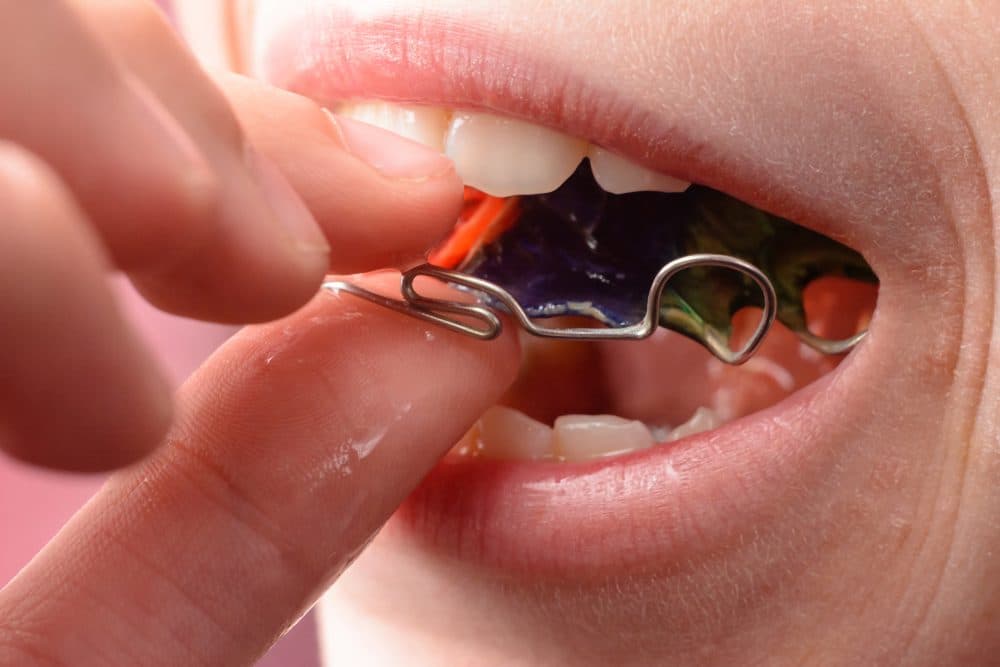
As your dental health partner, today we discuss the "second half" of your braces journey: the retainer. Why must you wear it for life? Which is better: clear or traditional wire? What if you lose it? This article will save you tens of thousands of Hong Kong Dollars from having to pay for a second round of orthodontics!

🔍 Why Do You Need a Retainer? Do Teeth Have "Memory"?
The principle of braces is to move teeth into the ideal position using external force. However, once the braces are removed, the surrounding Periodontal Ligaments act like elastic bands, having a kind of "memory" or inertia that attempts to pull the teeth back to their original spots. Choosing between clear and wire is secondary to wearing the retainer at all — why retainers protect your result explains what relapse actually looks like.
We call this phenomenon "Relapse" (relapse).
- The First 6 Months are Critical: This is when the bone is remodeling, and the teeth are at their most unstable. Without a retainer, your teeth can shift back almost instantly.
- Long-Term Maintenance: As we age, our teeth naturally tend to shift slightly (Physiological Drift). Wearing a retainer is essentially buying "insurance" for your beautiful smile.
📊 Retainer Showdown: Clear vs. Hawley vs. Fixed (Bonded)
There are several main types of retainers on the market, and many patients experience decision paralysis. We’ve created this detailed comparison chart to help you choose the right one at a glance:
| Feature | Clear Retainer (clear) | Traditional Wire (Hawley Retainer) (traditional wire retainer) | Fixed/Bonded Retainer (fixed wire retainer) |
| Appearance | Fully transparent, looks exactly like an aligner. Maximum aesthetics ✨ | A visible metal wire runs across the front teeth. | Glued to the back (lingual) side of the teeth. Completely invisible externally. |
| Comfort | High coverage, short adjustment period, more natural speech. | May initially cause a lisp, affects pronunciation, higher foreign object sensation. | Almost imperceptible, but the tongue may feel a slight roughness. |
| Durability | Prone to wear and tear or cracking (needs replacement every 1-2 years). | Very sturdy, can last many years, and can even slightly adjust teeth. | Permanently bonded, but the wire can occasionally debond (fall off). |
| Cleaning Difficulty | Easy to clean (but NO hot water!). | Easy to clean. | Most difficult to clean! Flossing is tricky, prone to calculus buildup ⚠️. |
| Best For | People who value aesthetics and are highly disciplined. | People who frequently lose things or have severe teeth grinding habits. | People who easily forget to wear their retainer or want a truly "set-and-forget" option. |
💡 Dentist's Tip: Many patients nowadays choose a "two-pronged approach": a Fixed Retainer glued to the lower front teeth (which are most likely to relapse) combined with a removable Clear Retainer worn every night for extra security.
🧼 Why Does Your Retainer Smell? Avoid These 3 Cleaning Mistakes!
Does your retainer develop a white buildup (calculus/tartar) or emit a bad odor after extended use? This is usually due to incorrect cleaning methods!
- ❌ NEVER use hot water to sterilize: Especially clear (plastic) retainers. Heat will cause them to deform. A deformed retainer will no longer fit, and forcing it can move your teeth back to a bad position.
- ❌ NEVER use toothpaste to brush: Toothpaste contains abrasive particles that create tiny scratches on the retainer's surface. These scratches become breeding grounds for bacteria, causing the retainer to turn yellow and smell.
- ✅ Correct Way: Use a soft-bristled brush with plain water, or use specialized denture/retainer cleaning tablets for soaking.
- ❌ Wrapping it in a napkin during meals: This is the number one reason retainers go missing! Placing it in a napkin at a restaurant makes it easy to mistakenly toss it out with the trash when you pay the bill.
- ✅ Correct Way: Always store it in its dedicated Retainer Case.
🚨 Emergency: My Retainer is Broken/Lost! What Do I Do?
"Doctor, I lost my retainer on vacation. It's been a week, and my teeth feel a little tight. What should I do?"
This is the most common distress call we receive.
- Time is of the Essence: Your teeth are moving every single day. If you lose your retainer, immediately book an appointment to have a new one made from a fresh mold/scan.
- Feeling "Tight"? If you haven't worn your retainer for a while and it feels tight when you put it on, this is a warning sign that your teeth have already started to shift slightly. If the tightness is minor, persevere and continue wearing it; if it's too painful to wear, DO NOT force it, or you might damage your teeth. You need to see your dentist for an adjustment or remake.
- The Advantage of Digital Scanning: Traditional retainer making requires biting into that uncomfortable pink impression material. Certain Hong Kong clinics use 3D Digital Intraoral Scanners, which accurately scan your entire mouth in minutes. The data is instantly sent to the lab for production, making the process faster, more accurate, and more comfortable.
🏁 Conclusion: The Retainer is Your Smile's "Lifetime Insurance"
Orthodontic treatment is a significant investment, both in time and money. The Retainer is the final line of defense protecting that investment. Retention is more complicated after treatment that was never completed, because the teeth have not been held in their final position.
Do not let years of effort go to waste because of laziness or inconvenience. Choose a retainer that suits your lifestyle and attend regular check-ups and cleanings. This is the sure path to maintaining your perfect smile.
Retainers are part of the overall orthodontic pathway — see our orthodontic treatment service for how the full course and follow-up are arranged.