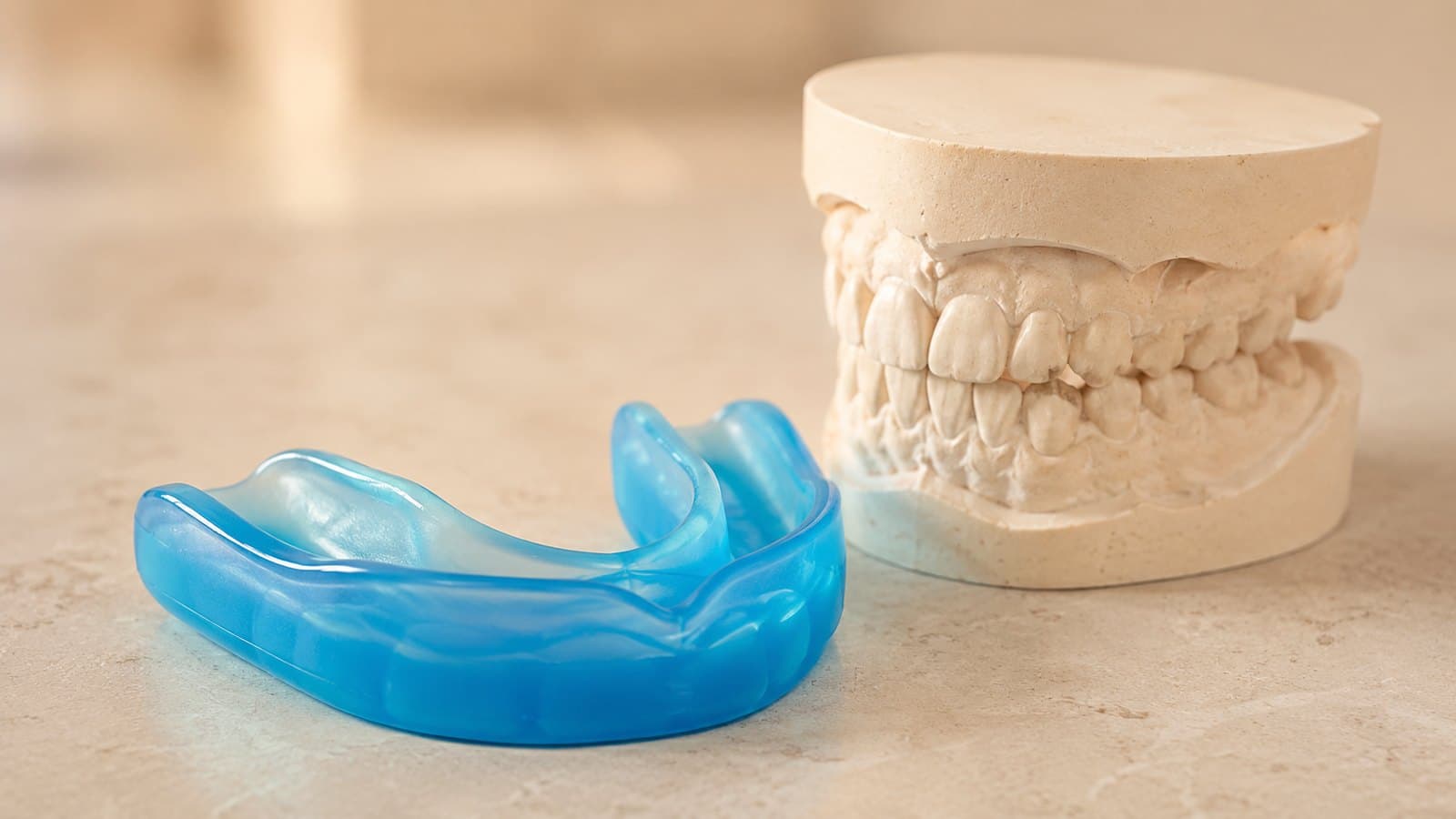
Procedures and precautions for handling unfinished orthodontic treatment
Orthodontics

Procedures and precautions for handling unfinished orthodontic treatment

What happens when a new dentist takes over your unfinished braces treatment — from the initial clinical evaluation to re-fitting braces or making a retainer.

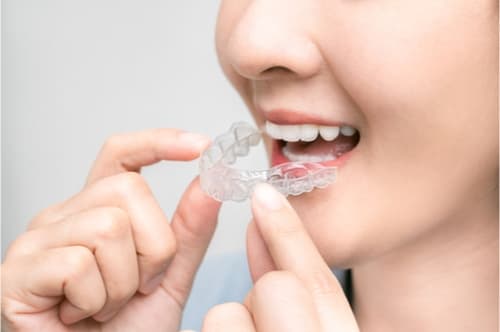
Sometimes patients are undergoing orthodontic treatment, but for different reasons cannot return to the previous clinic to continue regular follow-ups. As a result, the orthodontic devices in the mouth have not been replaced or adjusted for several months, causing a series of oral problems. At this time, the patient may seek help from other dentists to handle his/her unfinished orthodontic treatment. However, it is often difficult for patients to find a dentist who is willing to take over the handle. We will briefly introduce the procedures for new dentists to take over unfinished cases of orthodontics and the points that patients need to pay attention to. For aligner cases specifically, switching dentists or stopping Invisalign mid-treatment sets out the practical consequences.
Procedures and precautions for handling unfinished orthodontic treatment

Traditional metal braces, self-ligating braces, ceramic braces and lingual braces are used together with the application of wire, unless you are using transparent braces (Invisalign). Orthodontics generally require regular follow-up visits to replace the elastic and wire to increase the tension. Without regular follow-ups, changes in the position of the teeth will deviate from expectations and slowly move to a bad direction, leading to misalignment of teeth and occlusion. The worst result may even harmful to the teeth and teeth roots. The longer there is no follow-up visit, the greater the risk to the patient.
Procedures and precautions for handling unfinished orthodontic treatment

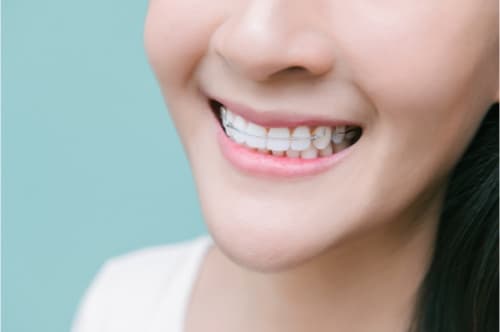
When a patient wants to remove the braces to stop the orthodontic treatment, or wish to consult another doctor to take over to continue the orthodontic treatment, a clinical evaluation is required first. After consideration, if the patient accepts the current condition of the teeth and decides to remove the braces, it is also necessary to consider making a retainer to prevent the teeth from relapse. If want to continue the orthodontics, reformulate of the treatment plan, remove the current braces and then reattach the braces are required.

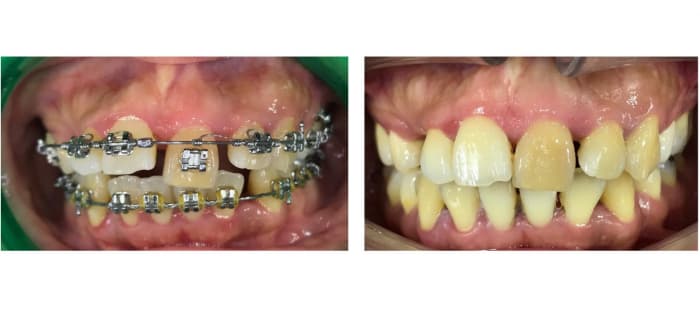
Why need to remove the existing braces and reattach the braces? The styles, types, and brands of braces are different, and every dentist has different skills when using it. The position of the teeth will change due to the degree and angle of the braces, the thickness of the wire, the tightness of the elastics, etc. Improper handling may cause the teeth to tilt forward or backward excessively, resulting in "overjet" or "underbite". The doctor who takes over the orthodontic treatment for the patient will formulate a new treatment plan and remove the existing braces. After that,  reposition the brace based on the patient's oral condition at the time. The same reassessment applies outside orthodontics, where taking over failed dental treatment covers restorative and surgical work begun at another practice.
orthodontic

If other problems arise due to stagnant orthodontic treatment, such as changes in facial shapes, difficulty in cleaning, and inflammation and recession of gums, subsequent treatment will become more complicated. Therefore, if you are facing this problem, and you want to give yourself a confident smile and healthy teeth, you can consult a professional dentist as soon as possible to provide you with detailed orthodontic information.

#orthodontic treatment #orthodontic devices #oral problems #traditional metal braces #self-ligating braces #ceramic braces #lingual braces # transparent braces #Invisalign #braceremoval #bracereplacement #overjet #underbite #gumrecession #confidentsmile

Article Info

First published: 29 July 2024

Last reviewed: August 2026

Share

FAQ

Frequently Asked Questions

  • What happens if I haven't seen my orthodontist for several months?

    Without regular follow-ups, your teeth may shift in unintended directions, leading to misalignment or bite problems. The longer the gap, the greater the risk of complications such as gum inflammation, recession, or even damage to tooth roots. If you've missed appointments, contact a dentist as soon as possible for a clinical evaluation.

  • Can another dentist take over my unfinished orthodontic treatment?

    Yes, but the new dentist will need to conduct a thorough clinical evaluation first. In most cases, the existing braces will need to be removed and repositioned according to a new treatment plan. This is because different dentists use different techniques, and brace placement affects how your teeth move. WhatsApp us to discuss your specific situation.

  • Why can't the new dentist just continue with my current braces?

    Every dentist has different skills and preferences when positioning braces. The angle, type, and brand of braces, along with wire thickness and elastic tension, all affect tooth movement. Continuing with someone else's setup could cause your teeth to tilt incorrectly, resulting in overjet or underbite. A fresh start with repositioned braces ensures safer, more predictable results.

  • What if I just want to stop treatment and remove my braces?

    If you decide to stop orthodontic treatment, the dentist will remove your braces after a clinical evaluation. However, you'll likely need a retainer to prevent your teeth from shifting back to their original positions. Stopping mid-treatment without a retainer can undo months of progress.

  • How much does it cost to have another dentist take over my orthodontic case?

    The cost depends on the complexity of your case, the type of braces involved, and whether additional treatments (such as addressing gum recession or misalignment) are needed. Orthodontic treatment starts from HK$30,000, but taking over an unfinished case may require a customised quote. Treatment design — extraction decisions, root control and occlusal detailing — determines post-treatment stability. After a clinical assessment we explain the fee components clearly, and treatment starts only with your consent. WhatsApp us to arrange a consultation and personalised assessment.

  • What risks come with stagnant orthodontic treatment?

    Prolonged gaps in treatment can lead to teeth moving in harmful directions, gum inflammation, recession, and difficulty cleaning around braces. In severe cases, facial shape may change or tooth roots may be damaged. The sooner you resume treatment or remove the braces safely, the lower the risk of lasting complications.

Still wondering about something? Our team is happy to chat.

Reminder: You have the right to choose a Hong Kong dentist based on your individual needs. We recommend referring to the list of registered dentists published on the official website of the Dental Council of Hong Kong to make a choice best suited to your personal needs. The above content is intended to give you a brief introduction to the nature and effects of the relevant dental procedures, so that you can make informed decisions when choosing a dentist and related treatment options. All treatments have advantages and disadvantages — the key is that you must have a basic understanding of different treatments and procedures and be aware of the associated risks. The above content does not represent the professional opinion or views of any dentist or dental institution. For the sake of your health, please consult your family dentist for formal medical advice.

This article is compiled by the Public Education Team of Home Dental and has been reviewed and approved by the Content Review Committee of Home Dental. The Committee comprises members of our Board of Directors, legal advisors, and relevant professionals, and is responsible for vetting all externally published health education content to ensure it is professional, accurate, relevant to the local context, and regularly updated to meet Hong Kong dental service standards.

This content is originally produced by Home Dental, all rights reserved. Unauthorized reproduction, modification, or publication is prohibited. Violators will bear legal responsibility. For citation or partnership inquiries, please contact our center for written permission.

Last updated: Aug 2026

Taking Over Failed Dental Treatment

Want to know more about Orthodontics?

31 general & specialist dentists · Licensed daycare procedure centre