Retainers: The Key to Maintaining Your Orthodontic Results
Many people assume that orthodontic treatment is complete once their braces are removed, but that’s just the first step. To ensure that your newly aligned teeth stay in place and don’t shift back to their original positions, wearing a retainer is essential. This comprehensive guide will explain the importance of retainers, their different types, how long to wear them, cleaning and maintenance tips, and answers to common questions. With proper retainer use, you can protect your beautiful smile for years to come.
Why Do You Need to Wear a Retainer?
During orthodontic treatment, your teeth are moved to their ideal positions, but the surrounding tissues, gums, and bones need time to adjust. If you do not wear a retainer as instructed, your teeth may gradually shift back to their previous misalignment, a phenomenon known as "orthodontic relapse." Retainers play a crucial role in:
- Preventing Teeth from Moving: Retainers help stabilize teeth and ensure they remain in their corrected positions.
- Allowing Time for Tissues to Adapt: The gums, ligaments, and bones surrounding your teeth need time to settle into their new structure.
- Maintaining Proper Bite Alignment: Retainers keep the upper and lower teeth in the correct occlusion, reducing the risk of bite issues.
Types of Retainers
Retainers are divided into two main categories: fixed retainers and removable retainers, each with its own advantages and disadvantages.
1️⃣ Fixed Retainers
Fixed retainers consist of a thin wire that is permanently bonded to the back (lingual side) of the front teeth. This type of retainer is commonly used for patients with a high risk of relapse.
Who Should Get a Fixed Retainer?
- Patients who may forget to wear a removable retainer regularly.
- Individuals who had severe misalignment before treatment.
- Those who want a long-term solution without daily maintenance.
Pros:
- Provides 24/7 retention without needing to remember to wear it.
- Virtually invisible since it is placed behind the teeth.
- Prevents minor shifting that may occur with age.
Cons:
- Requires extra care while cleaning, as plaque and tartar can build up around the wire.
- Cannot be removed without a dentist’s assistance.
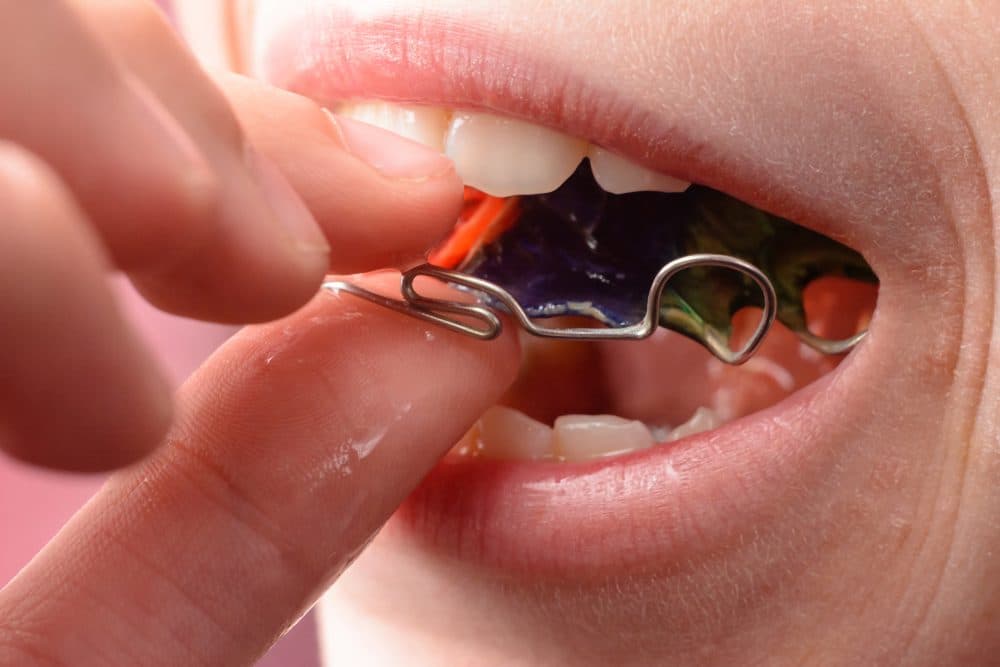
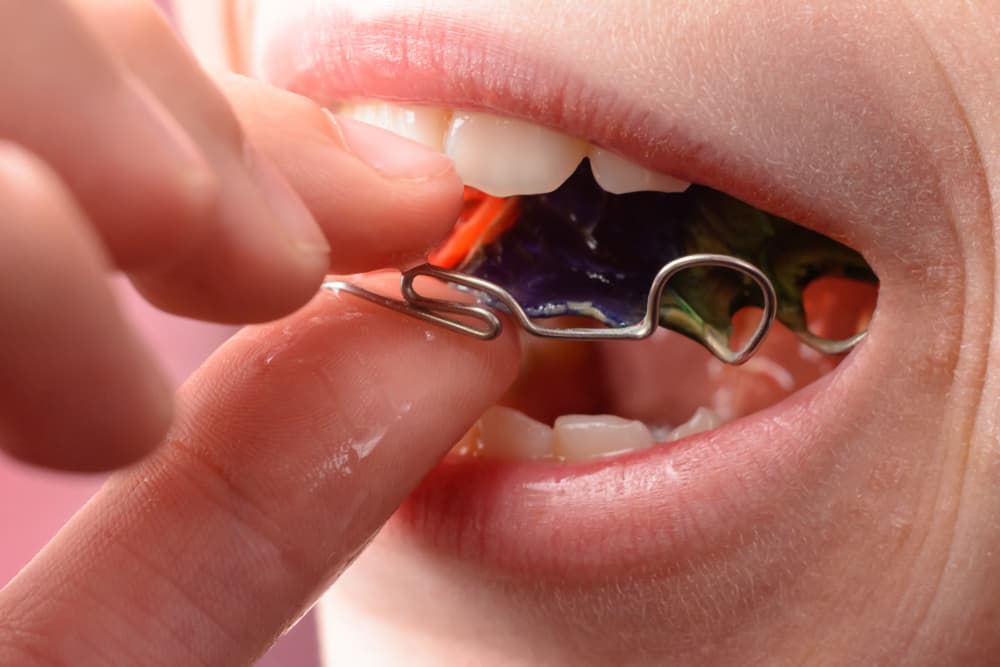
2️⃣ Removable Retainers
Removable retainers can be taken out for eating and cleaning, making them convenient and easy to maintain.
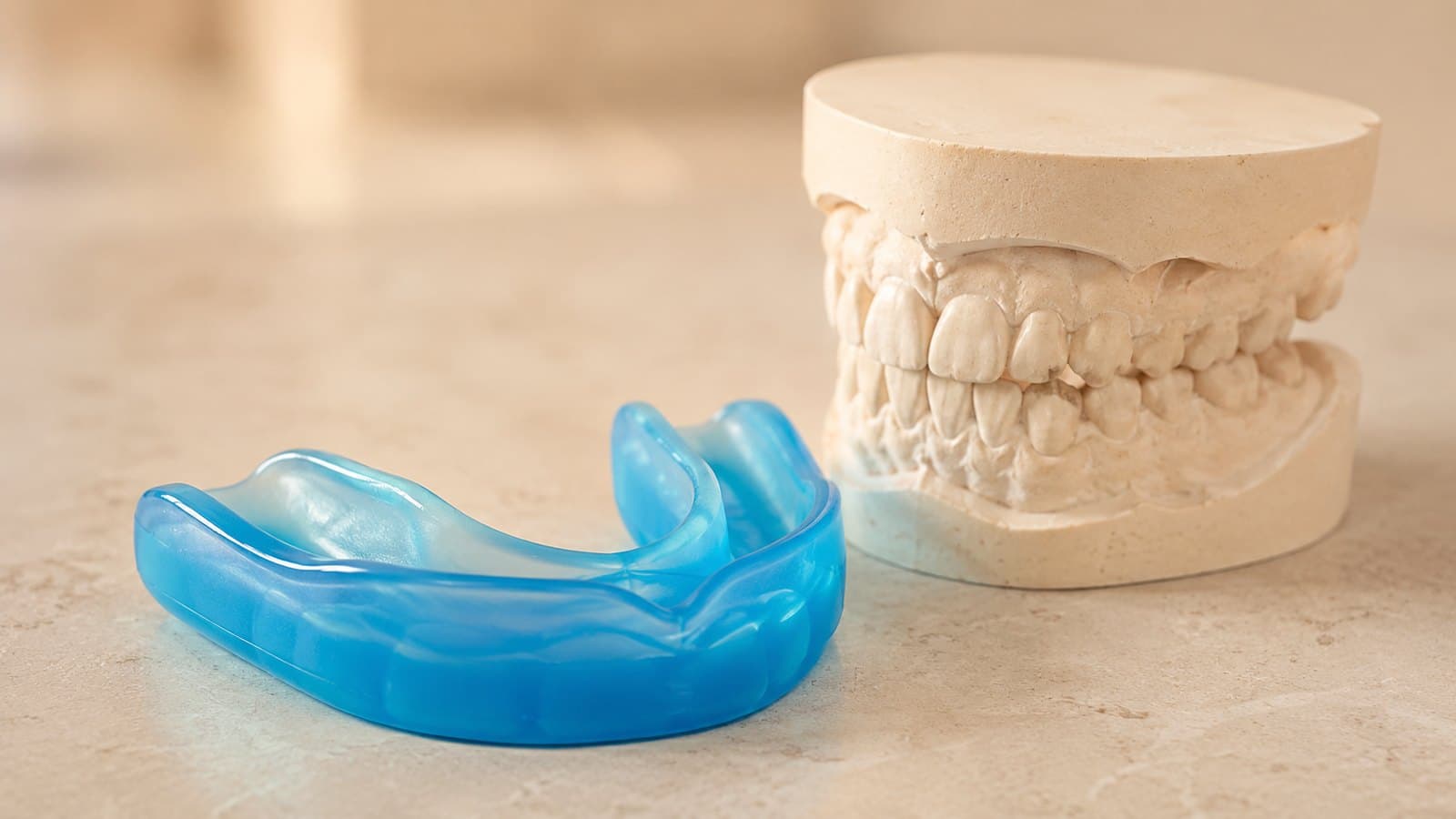
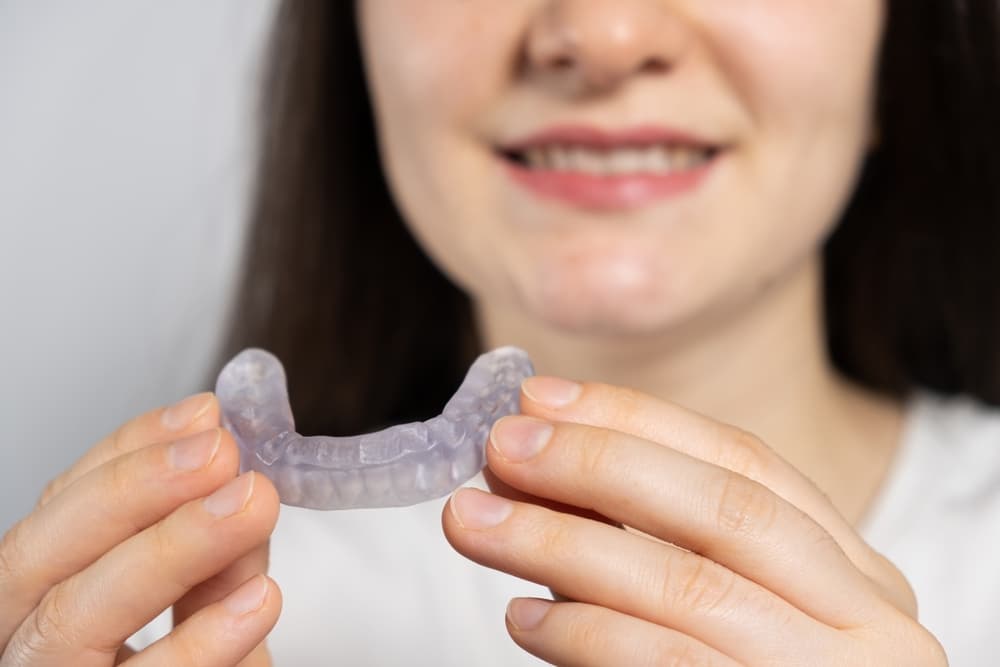
Clear Plastic Retainers (Invisible Retainers)
These retainers are made of transparent plastic and fit snugly over the teeth, much like Invisalign trays.
Pros:
- Nearly invisible when worn.
- Custom-fit for comfort.
- Convenient for eating and brushing since they can be removed.
Cons:
- More prone to cracking and wearing out over time.
- Needs to be replaced periodically due to plastic degradation.
- Must be worn diligently to maintain results.
How Long Should You Wear a Retainer?
The length of time you need to wear a retainer varies based on individual factors. However, general guidelines are as follows:
- First 6 Months: Wear your retainer full-time (20-22 hours per day), removing it only for eating and cleaning.
- 6 Months to 1 Year: You may gradually reduce usage and wear it primarily at night.
- Beyond 1 Year: Some patients are advised to wear their retainers a few nights per week for lifelong retention to prevent shifting over time.
How to Clean and Maintain Your Retainer
Proper care will extend the lifespan of your retainer and ensure oral health. Here are some essential maintenance tips:
- Daily Cleaning: Use a soft toothbrush and mild soap to clean removable retainers. Avoid using hot water as it can cause warping.
- Deep Cleaning: Soak your retainer in a specialized cleaning solution or denture cleaner once a week to remove bacteria buildup.
- Storage: Always store your retainer in its case when not in use to avoid loss or damage.
- Avoid Exposure to Heat: Keep retainers away from direct sunlight, hot water, or heat sources, as heat can distort their shape.
- Regular Checkups: Visit your dentist periodically to ensure your retainer is in good condition and still fitting properly.
Conclusion: Retainers Are Essential for Long-Term Orthodontic Success
Wearing a retainer is the final and most crucial step in ensuring your teeth remain in their ideal positions after orthodontic treatment. Choosing the right type of retainer, following proper care routines, and wearing it consistently will help protect your investment and maintain your beautiful smile for years to come.
Retainers belong to the maintenance stage that follows treatment — see our orthodontic treatment service for how the whole course is planned.