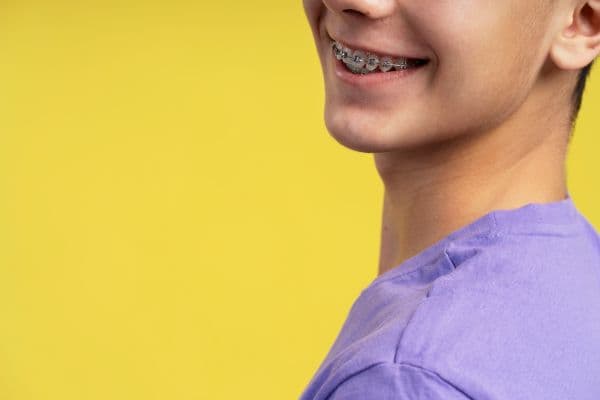
Many people have the impression that the process of "orthodontics" is long and uncomfortable, but after completing the treatment, the appearance of the face and teeth, malocclusion or pronunciation problems can be greatly improved. Over the years, when seeing different patients seeking orthodontic treatment for various personal needs, the most frequently asked question is the cost of treatment.
Why do doctors charge differently for the same treatment?
The cost of orthodontic treatment can easily start at tens of thousands of dollars, which is a heavy burden for many people. Moreover, when consulting a dentist or an orthodontist, they will get different treatment proposals, and the quotation and treatment time may be quite different. It is very common that patients often do not know how to choose. Fee differences make more sense once you know Routine cases can first be assessed by the general dental team at Home Dental Centre. Where clinical needs indicate further care in this area, Dr. David K. Leung (Specialist in Orthodontics), Dr. Richard Ho (Dentist) and Dr. Wilson Man (Dentist) at the centre provide the relevant treatment; the treating dentist is arranged according to clinical needs and the dentists on duty. Where a case involves more than one area of dentistry, dentists from different areas at the centre can jointly develop a combined treatment plan, without the patient needing a referral elsewhere. what traditional orthodontic treatment involves at each stage.
If you can gain an in-depth understanding of some of the key factors that affect the cost of orthodontic braces, it will help you choose in the future the best orthodontic treatment based on your individual needs.
Quick Facts About the Charges for Different Types of Braces
The materials used to make braces all involve production costs. The higher the production cost of materials and equipment, or the more braces required, the higher the cost. For most people considering orthodontics, the key is choosing between clear invisible braces and traditional metal braces.
1. Traditional metal braces
Principle: Stick an independent metal bracket on the tooth surface, and use steel wire, metal arch wire and elastic band to move the tooth.
Features: Adjust the tension of each bracket for each tooth one by one to the target position.
Treatment time: The teeth can be straightened quickly, and the general course of treatment takes one and a half to two years. If a tooth needs to be extracted or there is a deep bite, the treatment time will take two to three years, and the cost will increase accordingly.
Treatment costs: generally from HK$30,000.
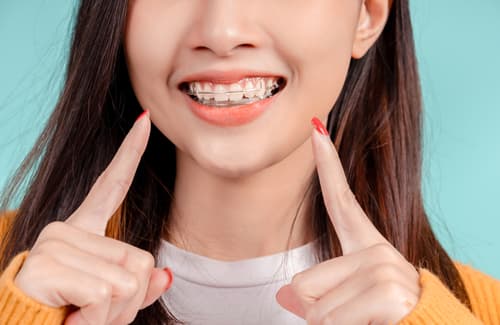
2. Ceramic braces
Principle: Similar to the principle of metal braces, the aligner is made of ceramic and is similar to the color of the teeth.
Features: Replace the steel wire used in metal braces with thinner fiber threads, which are more beautiful than metal braces.
Treatment time: The treatment time is roughly the same as that of metal braces.
Treatment cost: Depending on the doctor's choice and decision, the cost is slightly higher than traditional metal braces by around HK$5,000-10,000.
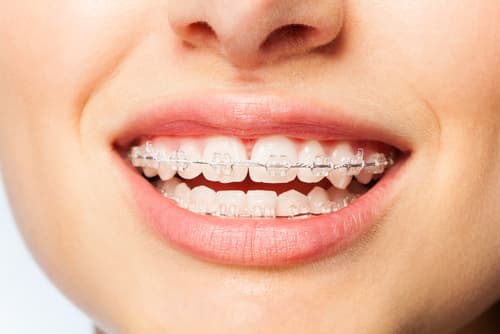
3. Lingual braces (i.e. “inner braces")
Principle: The materials and accessories used are the same as metal braces and ceramic braces, but they are fixed on the lingual side of the teeth.
Features: The treatment is difficult and relatively uncomfortable, and most of the patients need to be treated by an orthodontist.
Treatment time: The treatment time is roughly the same as that of metal braces.
Treatment cost: very expensive, the specialist treatment cost may exceed HK$100,000.
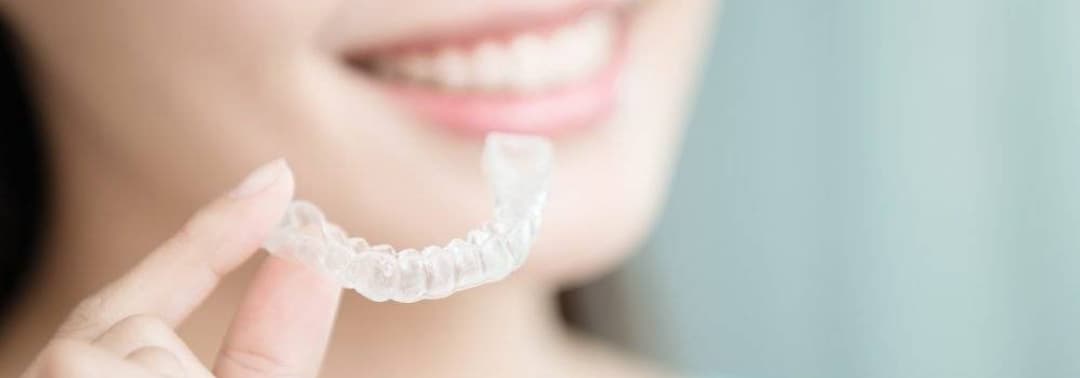
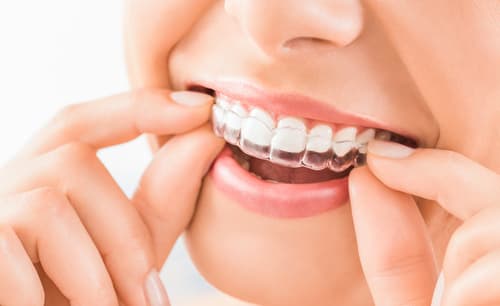
4. Transparent invisible braces
Principle: It is a new type of braces with high aesthetics and comfort, using transparent plastic resin aligners to cover the teeth.
Features: Non-fixed braces, you need to consciously wear them for at least 20 to 22 hours a day. Replace your aligners with a new one every two weeks to gradually straighten your teeth.
History: Invented by the American company, Invisalign. Since the expiration of the patent right, many other brands of transparent aligners have appeared on the market, including some brands that claim to be self-service aligners without the intervention of a dentist. Clear aligner cases are quoted on exactly the same basis, so it is worth reading our complete guide to Invisalign in Hong Kong before you compare quotations.
Note: The technical level of different brands varies, so be sure to check the technology applied by the relevant brands when comparing orthodontic solutions and avoid choosing brands that do not have a registered dentist to follow up with the treatment throughout the process.
Limitations: Not suitable for patients who need extractions or have serious dental problems.
Treatment time: It is suitable for cases with less difficulty in orthodontic treatment, so the general treatment time is shorter, which takes one year to one and a half years. However, in the case of the same dental condition, the treatment time with transparent aligners will be longer than that with metal braces.
Treatment cost: varies greatly depending on the brand of aligner; Invisalign starts from HK$30,000.
Other factors affecting the cost of treatment?
The cost of orthodontics depends on individual circumstances and is affected by many factors, including:
1. Are additional treatment procedures required?
If the teeth are overcrowded or severely protruded or inverted, additional treatment procedures, such as tooth extractions, or application of bone screw or other adjunctive treatments may be required to achieve the desired results. Some cases even involve jaw surgery.
2. Is there a need for multiple follow-up visits?
The longer you wear your braces, the more adjustments you need. Orthodontics generally require braces to be adjusted about every four to six weeks. The more complex the case, the longer the treatment time and the more the follow-up visits, so the cost will naturally increase accordingly.
3. Do you need a more experienced specialist?
A typical dental clinic may not be able to handle unique or complex conditions and may sometimes require treatment by a more clinically experienced orthodontist. As with any medical profession, specialists or dentists with extensive relevant experience dealing with complex problems generally charge higher fees for their services. Dentists' abilities and quality of treatment vary as much as they charge. Orthodontics is a treatment that affects the quality of life for a lifetime, and some patients are willing to spend more for the higher quality treatment. Quoted fees vary most in paediatric cases, so choosing a dentist for children deserves the same scrutiny as comparing prices.
4. Do you need to apply more advanced diagnostic instruments?
Dental centres and some clinics have their own relatively advanced full-mouth computer scanning equipment to obtain more accurate oral data and images. Therefore, the associated testing costs may be slightly higher than using traditional X-ray machines and instruments.
5. Are higher quality materials required?
Different types of materials are used in orthodontic procedures. If the doctor advocates the use of higher quality materials, additional cost will naturally be reflected in the cost of the treatment.
Various factors must be considered before choosing
Everyone needs orthodontics for different reasons, and the orthodontic braces suitable for me may not be suitable for you, so sometimes it may not be suitable to simply compare the costs among different orthodontic options to make a choice.
When comparing the different orthodontic options, in addition to considering the cost, it is also recommended to consider the actual needs of the individual, whether the communication with the dentist is smooth, whether the staff's explanation is clear enough, whether they have relevant skills and experience, and whether the service attitude of the relevant dental centre or clinic is good or not, whether you can afford the relevant expenses and whether the treatment location is convenient for you to follow-up in the future, etc. Please do analyze and compare from multiple perspectives to make the most suitable choice.
When in doubt, consult your trusted family dentist.
At Home Dental the dentist assesses first and quotes up front; where more than one viable option exists, we set out the pros, cons and cost differences of each, and you decide. Our fee transparency commitment →