Concerned About Your Child's Crooked Teeth?
Many parents are uncertain about the right time to consider braces for their children. The timing of orthodontic treatment is crucial, as it can significantly impact the effectiveness and duration of the treatment. If dental issues are not addressed early, they may lead to more severe oral health problems. We understand these concerns, having faced similar dilemmas ourselves. According to professional guidelines, the optimal age for children to begin orthodontic treatment is typically between 7 and 12 years old. This period is considered the golden phase for jaw development, where orthodontic interventions can yield the most noticeable results. We've compiled comprehensive information on orthodontic care to assist you.
In this article, we'll discuss how to determine the appropriate timing for your child's orthodontic treatment, explore different methods suitable for various age groups, and provide post-treatment care tips. We'll also address potential challenges and offer solutions. This knowledge will empower you to make the best decisions for your child's smile.

Why Orthodontic Treatment During Childhood?
Early orthodontic intervention can prevent future oral health issues. Addressing dental problems early not only improves teeth alignment but also promotes overall health development in children.
1. Preventing the Worsening of Dental Issues
Many children exhibit misaligned teeth. Early orthodontic treatment is the best approach to prevent these problems from escalating. Addressing dental issues during childhood can avert more severe malformations later on. Misaligned teeth can trap food particles, increasing the risk of cavities and gum diseases. Through timely orthodontic care, we can help children achieve proper teeth alignment, enhancing the effectiveness of daily oral hygiene. Ectopic or late-erupting canines are among the commonest reasons the timing window matters, and prominent canine teeth explains how they are assessed.
2. Establishing Healthy Bite Function
Orthodontic treatment during childhood aids in developing a healthy bite. Proper bite function enables children to chew food correctly, preventing digestive issues. In dental clinics, we often encounter children struggling to eat due to bite problems. This not only affects their enjoyment of food but also leads to inadequate nutrient absorption. Post-orthodontic treatment, children's chewing efficiency improves significantly, reducing swallowing difficulties.
3. Boosting Self-Confidence
We've observed that many children experience a noticeable increase in self-confidence after orthodontic treatment. Crooked teeth can make children hesitant to smile, fearing ridicule, which impacts their social skills and self-esteem. A beautiful smile encourages children to express themselves in public and make friends more easily. Orthodontic treatment not only enhances appearance but also helps children build self-worth. Psychological well-being is closely linked to appearance, especially during a child's developmental stages.

Determining the Right Time for Your Child's Orthodontic Treatment
Choosing the appropriate timing for orthodontic treatment is crucial. Many parents are unsure when to consult an orthodontist for their child. (American Association of Orthodontists)
1. Age Considerations
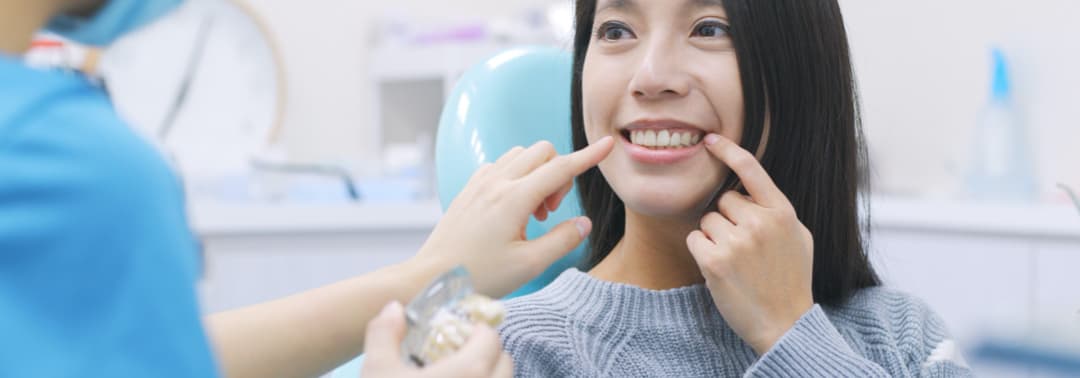
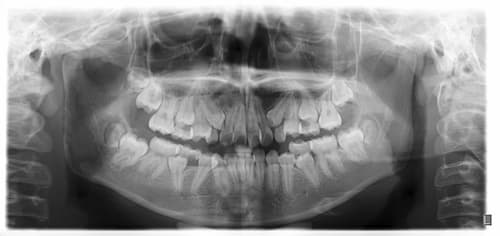
A child's age is a significant factor in determining the timing of orthodontic treatment. The golden period for children's orthodontics is between the ages of 7 and 12. Such period coincides with rapid skeletal growth, allowing orthodontists to effectively guide dental development. We recommend an initial dental check-up around age 6 to identify potential issues early and develop a treatment plan.
2. Dental Issues
It's essential to monitor your child's dental problems early. Common issues include crowded teeth, improper bites, or excessive gaps between teeth. These problems affect not only appearance but also chewing efficiency and oral hygiene. The transition from baby teeth to permanent teeth directly influences the reliability of orthodontic treatment, making the timing of intervention critical.
3. Skeletal Development
The state of skeletal development is a key determinant for the timing of orthodontic treatment. During adolescence, rapid bone growth allows for more effective orthodontic interventions. Guiding the development of the upper and lower jaws during growth periods enables orthodontists to address bite issues more efficiently. The success of orthodontic treatment largely depends on the stage of skeletal development.

Methods of Orthodontic Treatment for Children
We'll introduce various orthodontic methods to help you understand the advantages and disadvantages of each, assisting you in selecting the most suitable option for your child.
-
Traditional Fixed Braces
Traditional fixed braces are among the most common orthodontic methods. Some dental clinics in Hong Kong offer this approach, which involves attaching metal or ceramic brackets to the teeth surfaces, connected by metal wires. These braces effectively address a range of dental issues, from mild to severe misalignments. During treatment, we regularly adjust the tension of the wires to gradually move the teeth into the correct positions.
-
Clear Aligners
Clear aligners are a modern orthodontic option. These transparent braces allow children to undergo orthodontic treatment more comfortably. Unlike traditional metal braces, clear aligners are less noticeable, reducing potential embarrassment at school. Brands like Invisalign offer various product lines tailored for different age groups. Clear aligners also offer the advantage of being pain-free, as they don't cause mouth abrasions from metal wires. This discreet method encourages children to comply with the treatment process, achieving aesthetically pleasing results.
Quick Reference Table: Optimal Age and Treatment Focus for Children's Orthodontics
| Age Range | Recommended Actions | Key Observations | Suggested Treatment Approaches |
|---|---|---|---|
| 6–7 years | Initial check-up | Sequence of baby teeth loss, jaw width | Functional appliances (e.g., expanders), minor habit adjustments |
| 7–9 years | Formal assessment | Upper and lower jaw proportions, bite relationships | Clear aligners (e.g., Invisalign First), early guidance |
| 10–12 years | Enhanced treatment | Alignment of permanent teeth, facial development | Traditional braces, combination treatments (fixed + clear aligners) |
| 13 years and above | Case-by-case evaluation | Skeletal stability, psychological readiness | Mid-to-late orthodontic treatment, reconstructive approaches |
Challenges Children May Face During Orthodontic Treatment
During the orthodontic process, children may encounter some daily challenges. These discomforts are typically temporary.
-
Dietary Restrictions
Children undergoing orthodontic treatment need to avoid hard, sticky, or crunchy foods, as these can damage the braces. Items like candies, popcorn, nuts, and chewing gum should be eliminated from their diet. While these restrictions may seem stringent, they are crucial for protecting the orthodontic appliances.
During this period, children's eating habits need adjustment. We recommend soft foods such as soups, stews, pasta, and cooked vegetables. These are not only easy to chew but also provide essential nutrients. After getting braces or adjustments, children may feel discomfort, making a balanced diet even more important for recovery.
-
Oral Discomfort
Initially, children may experience discomfort when wearing braces. This is due to the movement of teeth, which can cause gum soreness or tooth sensitivity. Most children adapt to this sensation within one to two weeks. If your child complains of pain or swollen gums, provide soft foods and follow the dentist's recommendations for pain relief.
After getting braces, children might struggle with regular brushing, increasing the risk of infections and cavities. We advise parents to assist their children using special toothbrushes and flossing tools to ensure thorough cleaning.
-
Difficulty in Brushing Teeth
Children often find brushing more challenging during orthodontic treatment. Traditional braces have numerous small components and wires where food particles can easily get trapped. We recommend using specialized orthodontic toothbrushes and floss threaders to help children clean hard-to-reach areas. Braces can extend brushing time, which may frustrate children. Rinsing the mouth immediately after meals can reduce food residue on braces, maintaining oral health effectively.

Conclusion
Orthodontic treatment during childhood is a vital step toward improving dental health, and choosing the right timing can yield better results with less effort. We recommend that parents schedule the first orthodontic assessment for their children around ages 6 to 7 to detect any issues early. The optimal period for orthodontic treatment is between 7 and 12 years old, as the jaw is still developing, making tooth movement more manageable.
Selecting the appropriate orthodontic method, whether traditional braces or clear aligners, should be based on the child's specific needs. Regular check-ups and good oral hygiene practices are key to successful treatment. Although there may be some discomfort during the process, early orthodontic intervention can help children achieve healthy teeth and a confident smile in the long run. Take action now to make the best choice for your child's dental health!

Education is Prevention: Start with Knowledge, Start as a Parent
Orthodontics is a race against time. Problems ignored during the optimal treatment window often lead to more complicated, lengthy, and costly procedures later. As a parent, your role isn’t to immediately decide on braces — it’s to stay informed, understand the risks, explore options, and take the first step: a professional orthodontic evaluation for your child.
At Home Dental, we’ve treated thousands of young patients across Hong Kong and understand the common concerns and misconceptions local parents face. We hope this article serves not only as an information source, but also as a starting point for long-term dental education. Because informed parents raise healthy, confident children — and every smile starts with knowledge.
📌 What Should Parents Do Next?
| Step | Action | Purpose |
|---|---|---|
| ✅ 1 | Schedule your child’s first orthodontic assessment by age 6–7 | Early screening helps identify hidden bite or growth problems |
| ✅ 2 | Learn about personalized options like Invisalign First or functional appliances | Not all orthodontic cases need to wait until all adult teeth erupt |
| ✅ 3 | Ask questions — no pressure to start immediately | Evaluation ≠ treatment; it’s about clarity, not commitment |
Timing matters as much as the method — see our orthodontic treatment service for how a child's growth stage is assessed before treatment begins.