![[Canine Teeth Guide] Causes, Correction Options & Dental Risks | Trusted by HK Dentists](/_next/image?url=https%3A%2F%2Fuivazhssaweitolfbapb.supabase.co%2Fstorage%2Fv1%2Fobject%2Fpublic%2Fmedia%2F2025%2F05%2F17466355888220.jpg&w=3840&q=75&dpl=dpl_2rk7DdbCpT3xZF4aqp76ujYbqDe6)
What Are Canine Teeth? Why Are They Called “Fangs”?
In dental science, “canine teeth” refer to the third tooth in each quadrant of the human mouth, located between the incisors and premolars. Canine teeth are pointed and are the longest teeth in the dental arch with the deepest roots, resembling the teeth of dogs or wolves—hence the name.

Why the Nickname “Fangs”?
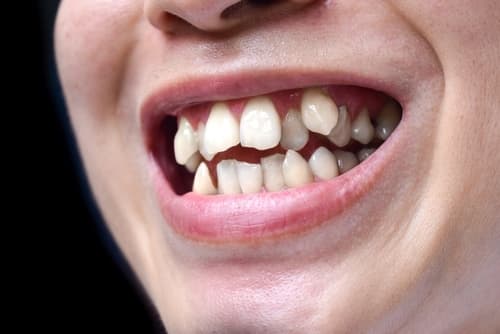
In Hong Kong and broader Chinese culture, people often refer to prominently protruding or outward-growing canines as “tiger teeth” . These visible and forward-positioned canines often become the highlight of a smile. Some consider them a mark of charm or even good fortune, and in certain eras, they were seen as a cute feature.
However, from a dental perspective, these “fangs” are typically misaligned canines caused by issues such as overcrowding, improper timing of baby tooth loss, or jaw development irregularities. Left untreated, they can lead to a series of functional and health-related problems.
Why Do Humans Need Canine Teeth?
Canines play a pivotal role in the human dental system—not just for biting food. Thanks to their sharp tips and deep roots, they perform several key functions:
-
Guiding Jaw Alignment: Canines are essential in “canine guidance.” As the jaw moves side to side, these teeth help direct the motion and prevent premature wear on other teeth.
-
Supporting Facial Structure: Located at a critical point of the smile and facial curvature, prominent or missing canines can affect lip support and symmetry, sometimes making the face appear sunken or unbalanced.
-
Withstanding Bite Force: Canines have the strongest structure and deepest roots, enabling them to handle significant pressure when chewing harder foods.

When Do Canine Teeth Develop?
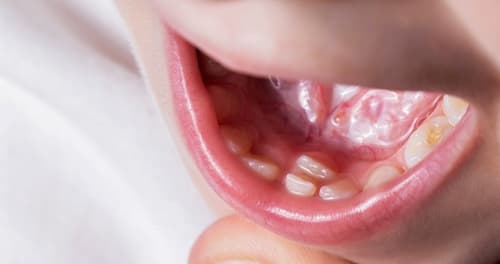
Canines are the last of the front teeth to emerge. Typically:
-
Lower canines erupt around ages 9–10.
-
Upper canines follow around 11–12.
This explains why, during the mixed dentition phase, canines are the most likely to erupt abnormally or become impacted due to lack of space—resulting in visible “fangs.”
📌 Did You Know?
Many parents mistakenly believe that once the incisors and premolars are in place, the dental arch is complete. In reality, late canine eruption often leads to unnoticed misalignment, and early assessment is key to avoiding more costly treatments later on. Occasionally what looks like a prominent canine is an additional tooth altogether, which hyperdontia covers along with how extra teeth are diagnosed.
Are Fangs Just a Unique Feature, or a Hidden Dental Risk?
While many people think fangs (prominent canines) add charm or uniqueness—popularized in dramas, anime, and idol culture—dental professionals view them as a potential health and functional risk when they result from canine misalignment.
1. Cleaning Challenges: Higher Risk of Cavities and Gum Disease
Protruding canines often fall outside the natural dental arch, making it hard for toothbrushes or floss to reach them effectively.
-
Food debris frequently accumulates between the canine and adjacent teeth, creating a breeding ground for bacteria.
-
Common issues include: bleeding gums, tartar buildup, gum recession, and bad breath.
-
If neglected, these areas may develop root cavities or periodontal disease, leading to loose teeth or even bone loss.
📌 Real Clinical Insight: Many patients say, “I can’t reach the fang area when brushing.” Upon examination, we often find inflamed gums and tartar surrounding the root—sometimes requiring deep cleaning or periodontal treatment.
2. Bite Issues: Trouble Chewing and Jaw Joint Strain
Canines are meant to guide the jaw during side movements (canine guidance). When misaligned:
-
Malocclusion occurs: the upper and lower canines fail to meet correctly, putting uneven stress on other teeth.
-
Chewing becomes unbalanced, often favoring one side, leading to jaw muscle fatigue or asymmetrical development.
-
TMJ disorders may develop: symptoms include ear ringing, headaches, jaw locking, or clicking sounds.
📌 Patient Observation: Some complain, “My fang bites into my lip,” or “I hear a click when opening my mouth.” These often point to malocclusion and joint strain caused by misaligned canines.
3. Aesthetic Concerns: Confidence and Self-Image Impact
As canines are highly visible when smiling, their prominence significantly affects appearance:
-
Lips may protrude or appear asymmetrical, creating the illusion of an overbite.
-
Smiles may reveal crooked or uneven teeth, giving an unpolished or awkward impression.
-
In job interviews, public speaking, or social settings, some may avoid smiling due to insecurity about their teeth.
📌 Teenage Trend: Parents often seek orthodontic treatment when teens feel bullied or embarrassed by their fangs—sometimes refusing to smile in photos or covering their mouths when speaking.
4. Crowding and Misalignment: When Canines Push Others Out of Place
Due to their long roots and strong force, erupting canines may push adjacent teeth aside:
-
Incisors may tilt inward or overlap.
-
Premolars may be displaced outward.
-
The overall arch becomes distorted, increasing orthodontic complexity and often requiring extractions or surgical interventions.
📌 Adult Cases: When fangs cause significant crowding, simple braces may no longer suffice—requiring arch expansion, tooth extractions, or even surgical correction, with higher cost and treatment risk.
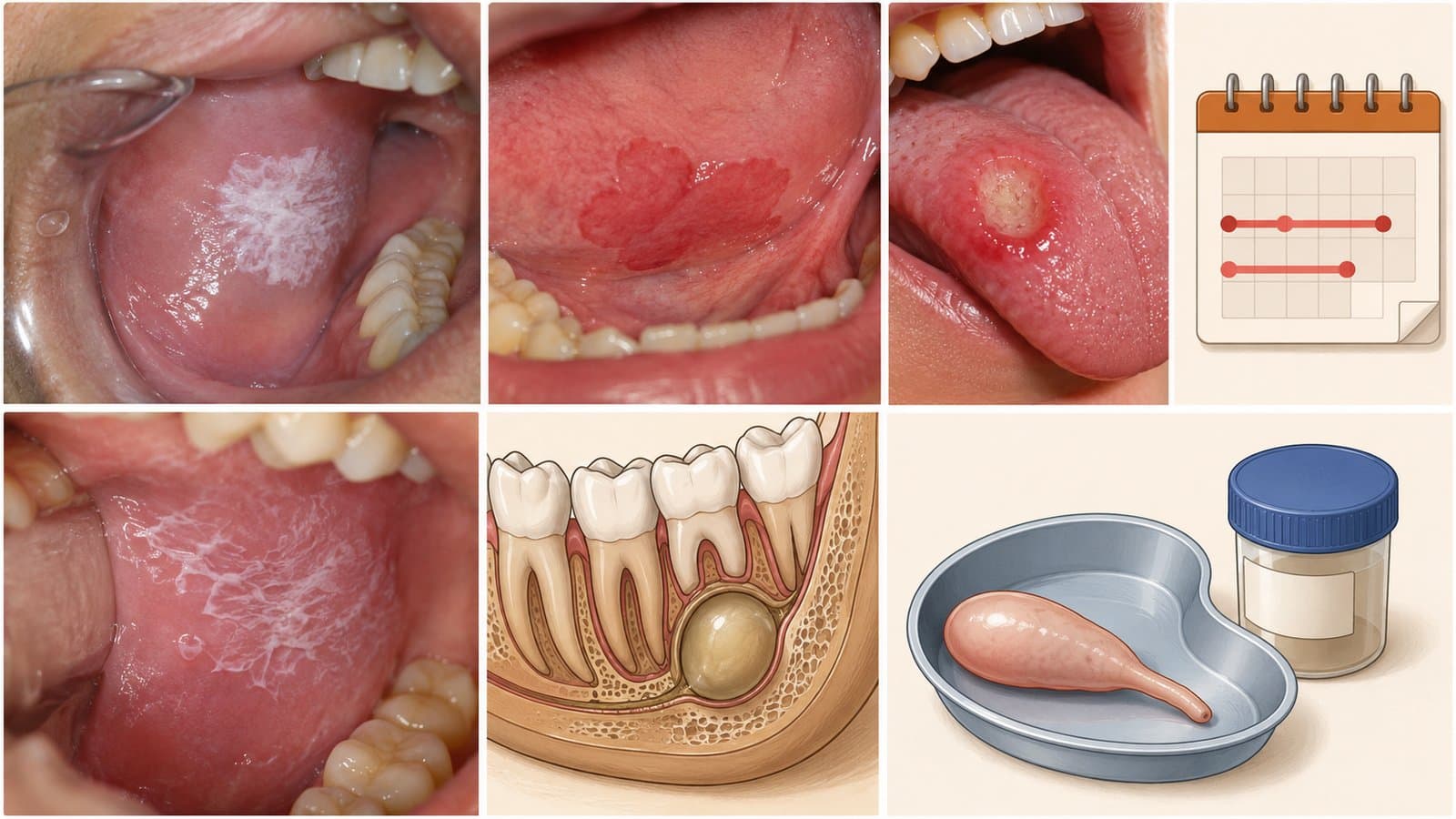
5. Impacted Canines: Risk of Cysts, Abscesses, or Odontomas
Some canines fail to erupt and remain trapped in the jawbone—a condition known as impacted canines. This may lead to:
-
Cyst formation, which can expand and compress nearby teeth or nerves.
-
Root resorption of adjacent teeth, causing pain or tooth loosening.
-
Formation of compound odontomas (tooth-like tumors), requiring surgical removal.
📌 Clinical Example: One patient whose canine never erupted was found—through X-ray—to have four unerupted teeth and a cyst within the jawbone. Emergency surgery was required to remove them.
🕒 Best Time and Treatment Options for Canine (Fang) Correction
Whether or not to correct fangs depends on multiple factors—appearance, function, oral hygiene, and personal expectations. Once the decision is made, timing and the right treatment plan are critical to success and comfort.
📅 Golden Window for Correction: Take Action During Growth
Dental professionals generally agree: ages 7 to 14 are the golden years for fang correction, especially:
-
Early phase (ages 8–10): As baby teeth fall out and adult teeth start erupting, early assessment (known as Phase 1 orthodontics) helps preserve space for canines and prevents future misalignment.
-
Active phase (ages 11–13): If canines erupt abnormally, their roots are still developing and move more easily. Correction at this stage yields ideal results with shorter treatment time.
📌 Tip for Parents: If a child’s front teeth are fully in place but the canines are delayed, schedule a full-mouth X-ray or CBCT scan to detect any early crowding or impaction.

🧑⚕️ Can Adults Still Straighten Fangs? Absolutely—with Planning
Though adult jawbones are fully developed and periodontal health needs closer attention, successful correction is still possible:
-
Treatment duration is longer (usually 18–30 months)
-
Pre-treatment care for gum disease or other oral health issues may be required
-
Tooth extractions may be necessary to create space
-
Surgical aid or mini-screws may be needed for severe cases
With proper planning, adult patients can achieve results comparable to teens.
🦷 Common Correction Methods:
1. Traditional Metal Braces
✅ Reliable, affordable, and effective—great for teens and standard cases.
2. Ceramic Braces
✅ More discreet, tooth-colored brackets—ideal for professionals mindful of aesthetics.
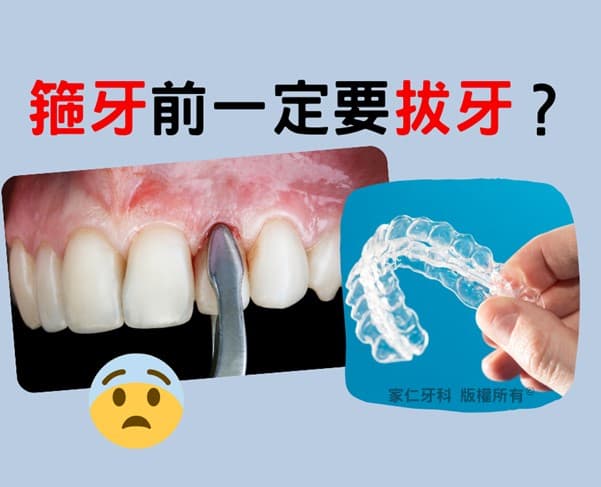
3. Clear Aligners (e.g., Invisalign)
✅ Nearly invisible, removable for meals and hygiene—best for mild to moderate cases.
4. Surgical-Orthodontic Combination
✅ Impacted canines may require minor surgery to expose and attach orthodontic devices for guided eruption.
📌 Not Every Fang Needs Braces or Extraction
Modern dentistry emphasizes customized treatment and tooth preservation:
-
If the fang doesn’t affect function or appearance, it may be monitored over time.
-
If it causes crowding, speech, bite, or cosmetic issues, orthodontic treatment is recommended.
Choosing the right timing and approach significantly improves efficiency and comfort.

Let Your Fangs Be a Choice—Not a Burden
Fangs may reflect personality—but they can also become a burden. The real question is: do they affect your...
-
Oral hygiene and gum health?
-
Bite function and jaw alignment?
-
Confidence and self-image?
Through professional diagnosis and personalized planning, you can take control—rather than letting fang issues go untreated or worsen over time.
📣 Our Call to Action:
-
Parents, pay attention to your child’s canine development between ages 8–12. If canines don’t appear as expected, book a panoramic X-ray or CBCT scan.
-
Teens and adults, if you notice crowding, smile changes, or bite discomfort, don’t underestimate the impact of misaligned fangs. Treating it early is far easier and less costly than postponing.
-
Aesthetics and health can co-exist. Modern orthodontic technologies—from braces to clear aligners—offer safe, tailored solutions for every lifestyle.
When canine position affects the bite or cleaning, orthodontics can correct it — see our orthodontic treatment service.