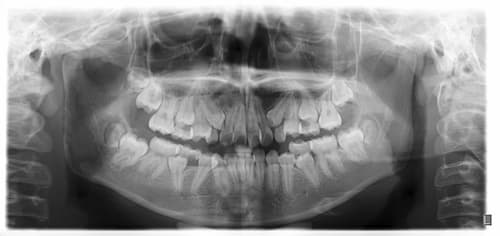
Children's teeth replacement period starts from around the age of six, and by the age of twelve, all permanent teeth should be fully grown. Children will have mixed dentition during the process of changing their teeth. If the teeth are obviously misaligned during this period, they are likely to need orthodontic treatment. Depending on the type of problem, a children's dentist may recommend a staged orthodontic treatment.
A staged course of treatment means treatment at two different times, usually to improve the effectiveness of your orthodontic treatment, and to take advantage of the natural growth and development of teeth and bones to avoid some more complex orthodontic treatment in the future.
The "Phase 1 Orthodontics" begins when the child still has baby and permanent teeth, and is usually followed by a rest period. "Phase 2 Orthodontics" usually begins after most or all of the permanent teeth have erupted so that the teeth can be moved to their final positions.
Why two stages? Can I wait until all the permanent teeth have erupted for treatment?
Some problems are easier to correct if caught early. "Phase 1 Orthodontics", also known as "blocking treatment", can create a healthy environment for teeth to grow and develop, and help strengthen the foundation of the teeth to ensure long-term stability.
"Phase 1 Orthodontics" can prevent malocclusion from getting worse, stop some developing growth problems or guide the smooth growth of the jawbone that supports the teeth. Orthodontists can often take advantage of a child's natural growth and development to provide timely treatment at predictable stages of tooth development. If jaw growth itself is the underlying problem, early orthodontics may only be the first stage and jaw surgery is assessed after growth completes.
Simply put, "Phase 1 Orthodontics" focuses on balancing/improving jawbone dysplasia and also allowing more room for permanent teeth to grow. Therefore, it is especially helpful for severe protruding teeth, crowded incisors and inverted teeth.
Two-stage plans often exist to make space for the canines, and protruding canine teeth covers what happens when they erupt out of the arch.
What are the benefits to my child?
Although in most cases it is possible to wait until the child gets older, the staged corrective treatment has the following benefits:
- Reduce the chance that permanent teeth will need to be extracted in the future.
- Reduce the chance of requiring corrective surgery in the future. Some problems can be treated with good results while a child is growing, but corrective surgery may be needed if treatment is done after the growth is complete.
- Adjust the upper and lower jaw to a normal bite, especially if the child has inverted teeth.
- Improves prolonged finger sucking in children, or abnormal swallowing.
- Improves situations where teeth are moved in the wrong direction due to damaging pressure or the shape of the bone supporting the teeth is changed.
- Improvement of abnormally protruding upper incisors to reduce the risk of having these teeth breaking or falling out.
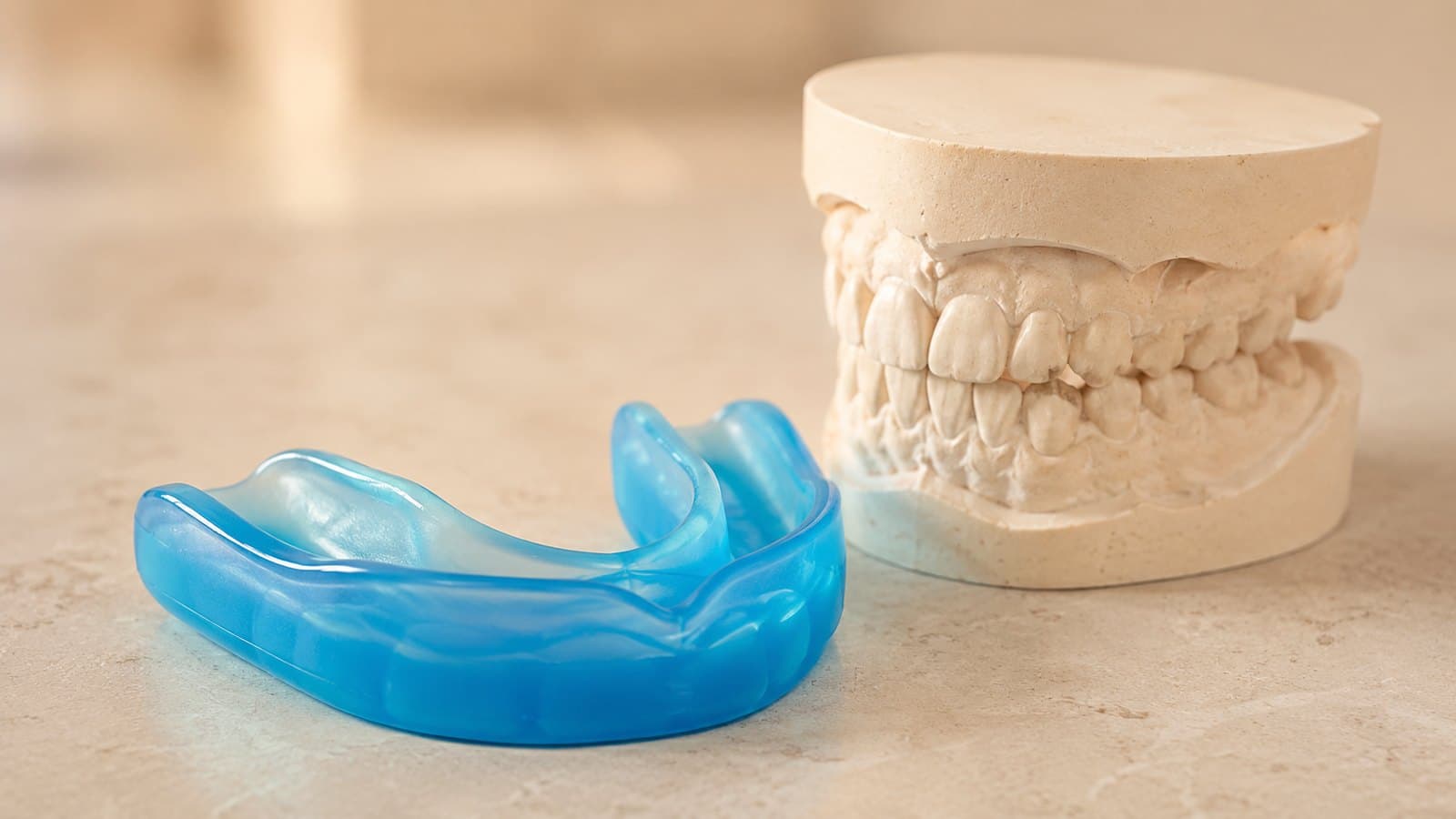
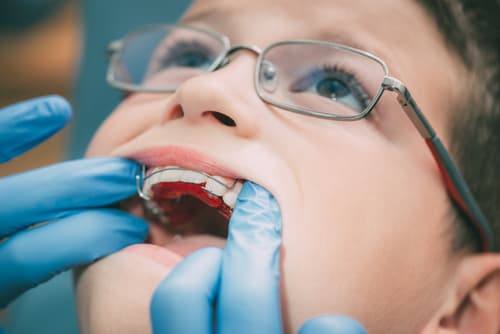
"Phase 1 Orthodontics" will mostly start when the child still has deciduous teeth. According to the clinical situation, the doctor will use different functional braces or appliances to move the jawbone to the normal growth position to correct the malocclusion of the child. These appliances can be fixed or removable, and the dentist will decide based on the child's occlusion and cooperation. In some cases, it may be necessary to extract the milk teeth to make room for the permanent teeth to grow in.
Most malocclusions can be resolved after completing "Phase 1 Orthodontics", but there are a few exceptions. There is usually a rest period after the first stage of orthodontic treatment, when all the permanent teeth have erupted before reassessing the best time to move on to the second stage. "Phase 2 Orthodontics" usually begins when most or all of the permanent teeth have erupted, and the goal of treatment is to ensure that the teeth are in the proper position to ensure good occlusal function and esthetics.
Is two-stage orthodontic treatment right for my child?
Two-stage orthodontic treatment can give children a rare opportunity to have a healthy, beautiful smile, but it is important to note that this treatment is not suitable for all children. Parents often ask whether treatment is purely cosmetic; why correction matters beyond appearance addresses that directly.
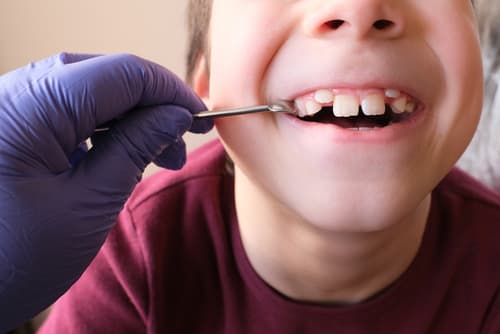
It is recommended that children have their first check-up by a dentist before the age of 7. If there are problems such as malocclusion, the dentist can also monitor the growth and development, so that the child can get the most appropriate treatment at the most suitable time. Each child's occlusion is unique, and a dentist needs to tailor the most suitable treatment plan for him according to the actual situation.
If you have any questions, please contact your trusted family dentist.
Every child's dental development differs — see our orthodontic treatment service for how assessment and follow-up are arranged.