Immediate Dental Implants in Hong Kong: What "Extract and Place Same Day" Means
Implant

Immediate Dental Implants in Hong Kong: What "Extract and Place Same Day" Means

Same-day implants let your dentist place the implant immediately after extraction — fewer visits, less bone loss and one combined surgery in suitable cases.

In recent years, more and more people have replaced missing teeth with dental implants, mainly because dental implants are generally more practical and aesthetic than removable dentures or bridges. However, although some patients are suitable for dental implants, they require a longer treatment time compared to other teeth replacement methods and require multiple follow-up visits during the period. These inconveniences may cause patients to give up the option of dental implants and miss the golden opportunity for dental implants.

What is "Immediate Implant"?

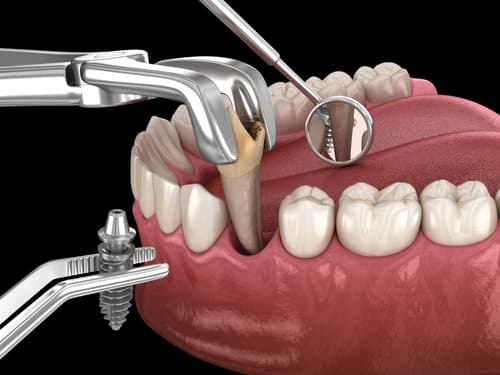
Traditional dental implants can only be placed after the tooth is extracted and the wound and bone are healed (about three months). With the advancement of dental technology, in some suitable cases, dentists may advise patients to choose the "immediate implant" approach, as literally, place the artificial implant immediately after tooth extraction, and then wait for the bone heal.
 

What are the benefits of "immediate implant"?

"Immediate implant" is suitable for patients whose teeth and bone structure and condition are relatively intact. A common case is tooth fracture. This technology is popular with dentists and patients, mainly because it reduces the number of visits required and shortens the overall implant treatment time for the patient. On the other hand, "immediate implant" can preserve the patient's dental bone as much as possible, because various conditions may occur in the process of waiting for the dental bone to heal after the tooth is removed, resulting in the dental bone being resorbed.

Some patients may resist surgery, but if the tooth is unavoidable to be extracted, the "immediate implant" approach can reduce the number of surgeries for the patient. The scope of the wound caused by the "immediate implant" surgery is smaller than that of the traditional dental implant surgery, because the implant wound and the tooth extraction could recover at the same time, which helps to improve the patient's postoperative experience.

Is "immediate implant" right for you?

As with any dental procedure, both the dentist and the patient have a few factors to consider before going to "immediate implant" that will have a decisive impact on the success or failure of the above. It should be emphasized that not every dental implant case is suitable for the practice of "immediate implant".
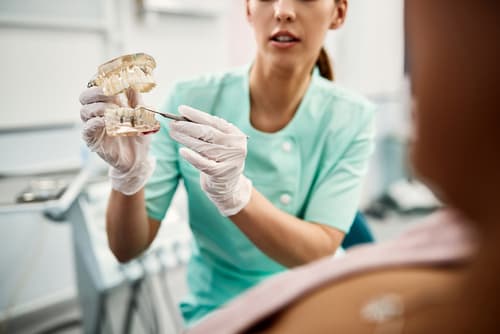
 

Dental implant procedure

First of all, when evaluating whether the patient's oral condition is suitable for receiving dental implants, it is necessary to use computerized tomography (CBCT) to ensure that the soft and hard tissue structure of the tooth is complete, that is, the gum and bone are in good condition, without the need for extensive additional bone or gum grafting surgery. For example, periodontal disease, such as dental bone atrophy, root inflammation and tooth abscess, can destroy the tissues around the teeth. Artificial implants cannot be fixed on the bone without a good foundation, so "immediate implant" has relatively high requirements on the condition of the patient's bone.

On the other hand, "immediate implant" requires advanced technology and a high level of accuracy. From the wound control of the tooth extraction, the measurement of the implant position to the precise implant placement, each process requires rich experience and advanced technology to ensure a relatively high surgical success rate. Since it requires generally more preparation work in advance, even if it is handled by the same doctor, the treatment cost of "immediate implant" may be higher than that of the traditional staged dental implant.

The decision is on your hands!

Usually, dentists do not offer only one treatment option for patients to consider. Ultimately, it is always up to the patient to weigh the pros and cons and decide which treatment option to accept based on the actual situation and needs.

When in doubt, consult your trusted family dentist.

Article Info

First published: 8 August 2021

Last reviewed: August 2026

Share

FAQ

Frequently Asked Questions

  • How much does an immediate dental implant cost?

    Immediate implant treatment typically starts from HK$22,000 per tooth, though the final cost depends on your bone condition, whether grafting is needed, and the complexity of your case. Because immediate implants require advanced imaging and precision placement, they may cost more than traditional staged implants. Implant position, angle and depth determine cleansability and load distribution; poor planning raises the risk of peri-implantitis. After a clinical assessment we explain the fee components clearly, and treatment starts only with your consent. WhatsApp us for a personalised quote after a clinical assessment.

  • What's the difference between immediate implants and traditional implants?

    Traditional implants are placed about three months after tooth extraction, once the bone has healed. Immediate implants are placed straight after extraction in the same visit. This shortens overall treatment time, reduces the number of surgeries, and helps preserve your dental bone. However, immediate implants require your bone and gum to be in good condition and aren't suitable for everyone.

  • How long does the immediate implant process take?

    The implant itself is placed immediately after tooth extraction in one visit. After placement, you'll need to wait for the bone to heal and integrate with the implant, which typically takes several months. The overall treatment time is shorter than traditional implants because you skip the three-month healing period between extraction and implant placement.

  • Am I suitable for immediate implants?

    Immediate implants work best when your tooth structure, gum, and bone are relatively intact—such as after a tooth fracture. You'll need a CBCT scan to confirm your bone is healthy without significant periodontal disease, bone atrophy, or infection. If you have root inflammation, abscesses, or need extensive bone grafting, traditional staged implants may be more appropriate.

  • Are there any risks with immediate implants?

    Immediate implants require precise placement and good bone quality to succeed. If your bone condition isn't ideal or the implant isn't positioned accurately, the implant may not integrate properly. Conditions like periodontal disease or bone atrophy increase the risk. Your dentist will assess your suitability through imaging and clinical examination before recommending this approach.

  • Why do immediate implants cost more than traditional implants?

    Immediate implants require advanced imaging technology like CBCT scans, precise surgical planning, and a higher level of technical skill to place the implant accurately at the time of extraction. The procedure demands more preparation work and expertise to ensure success, which is reflected in the treatment cost. Your dentist will explain the cost breakdown during your consultation. Implant position, angle and depth determine cleansability and load distribution; poor planning raises the risk of peri-implantitis. After a clinical assessment we explain the fee components clearly, and treatment starts only with your consent.

  • Can immediate implants reduce the number of visits I need?

    Yes, one of the main benefits is fewer visits. Because the implant is placed at the same time as tooth extraction, you avoid a separate surgery and the three-month waiting period. This shortens the overall treatment timeline and means less time off work or disruption to your routine, though you'll still need follow-up appointments during the healing phase.

Still wondering about something? Our team is happy to chat.

Reminder: You have the right to choose a Hong Kong dentist based on your individual needs. We recommend referring to the list of registered dentists published on the official website of the Dental Council of Hong Kong to make a choice best suited to your personal needs. The above content is intended to give you a brief introduction to the nature and effects of the relevant dental procedures, so that you can make informed decisions when choosing a dentist and related treatment options. All treatments have advantages and disadvantages — the key is that you must have a basic understanding of different treatments and procedures and be aware of the associated risks. The above content does not represent the professional opinion or views of any dentist or dental institution. For the sake of your health, please consult your family dentist for formal medical advice.

This article is compiled by the Public Education Team of Home Dental and has been reviewed and approved by the Content Review Committee of Home Dental. The Committee comprises members of our Board of Directors, legal advisors, and relevant professionals, and is responsible for vetting all externally published health education content to ensure it is professional, accurate, relevant to the local context, and regularly updated to meet Hong Kong dental service standards.

This content is originally produced by Home Dental, all rights reserved. Unauthorized reproduction, modification, or publication is prohibited. Violators will bear legal responsibility. For citation or partnership inquiries, please contact our center for written permission.

Last updated: Aug 2026

Comprehensive Guide to Dental Implants in Hong Kong

Want to know more about Implant?

31 general & specialist dentists · Licensed daycare procedure centre