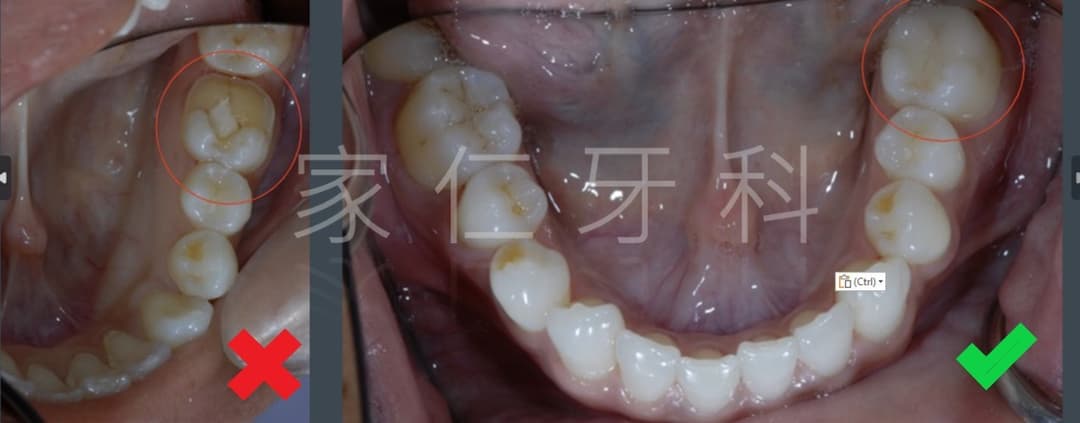
"This tooth needs a filling, while the other tooth is deeply decayed and needs an inlay." The patient looked at me in confusion and asked, "What's the difference between the two?"
When do you need a dental filling?
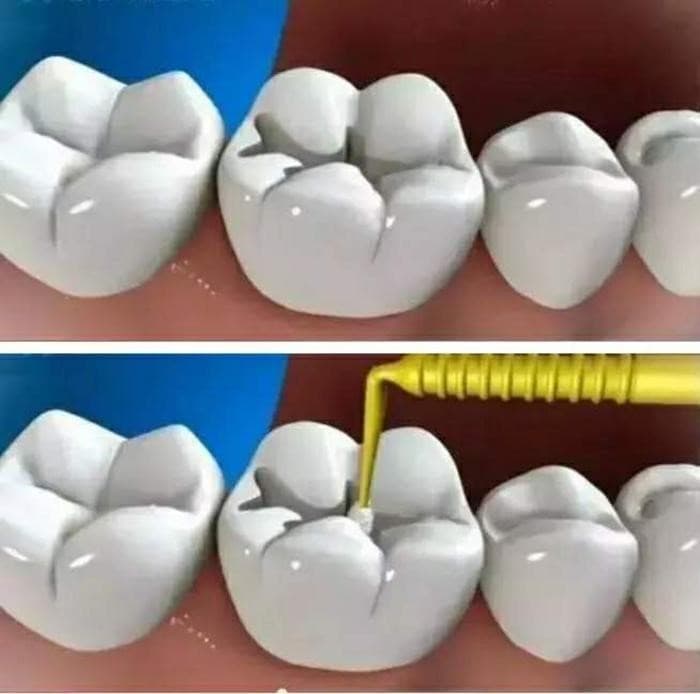
Relatively shallow tooth decay can be handled by manual filling. After removing the decayed part of the tooth, different materials can be used to fill the tooth cavity. The choice of filling materials varies according to the location and size of the cavity, doctor's advice and patient's preference.
When is an inlay needed?
Once the doctor assesses that the tooth decay is relatively deep, or the position is difficult to repair by manual filling, he may suggest considering inlays to restore the teeth. Routine cases are handled by the general dental team at Home Dental Centre, with appointments arranged according to the dentists on duty. If clinical assessment indicates another area of care, the centre will arrange a further assessment with the appropriate dentist, and dentists from different areas can jointly develop a combined treatment plan.
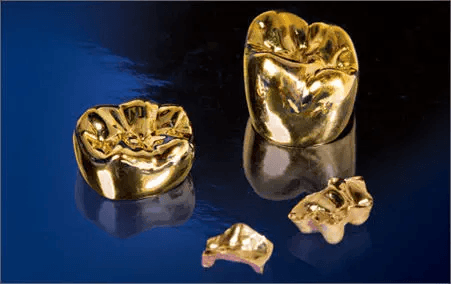
Removing cavities is the first step in the treatment. However, compared with manual fillings, inlay restoration requires a dentist to take an impression or a three-dimensional scan of the patient, and to subsequently make the inlay in a laboratory. As for the choice of inlay material, it is usually ceramic, or other alloys, which are closest to the color of the teeth.
It can be imagined that the inlay is like one of the three-dimensional puzzle pieces inlaid into the missing part of the tooth. Because inlay is tailor-made, it has a high degree of fit with the tooth, and the material is stronger than that of human fillings, so it is more suitable for some deeply decayed teeth, teeth that have lost filling materials many times, or areas with a large chipping area.
When is an onlay needed?
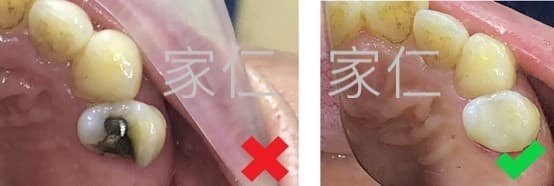
If the extent of tooth decay or tooth damage involves the occlusal area that mainly bears the force, then the crown cap (Onlay) is a better choice. Its principle and material selection are similar to those of inlays, and the difference is that the crown cap covers more teeth.
When do you need Crown?
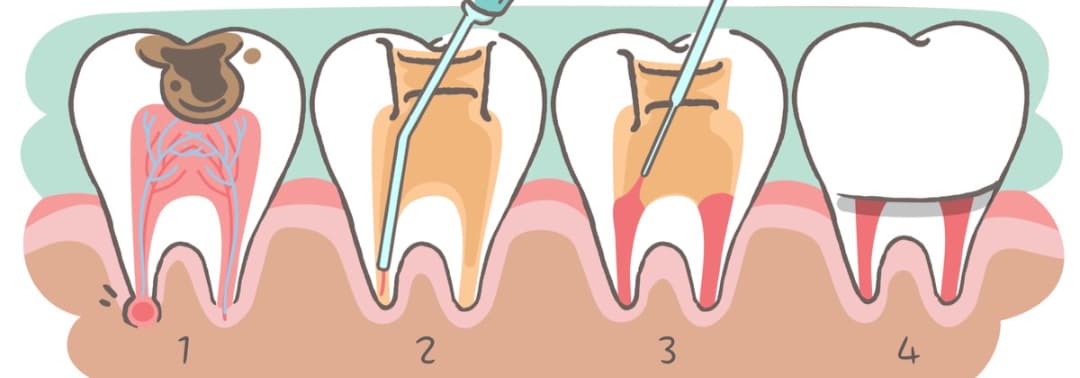
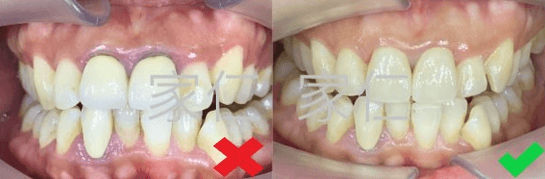
If inlays and crown caps are like three-dimensional puzzles, then the crown is like a helmet, which firmly covers the teeth that need to be protected, especially if the teeth to be protected have a large degree of decay/abrasion/chipping, or have cracked condition. In addition, if the tooth has undergone root canal treatment, then it is generally recommended to have a crown to better protect it.
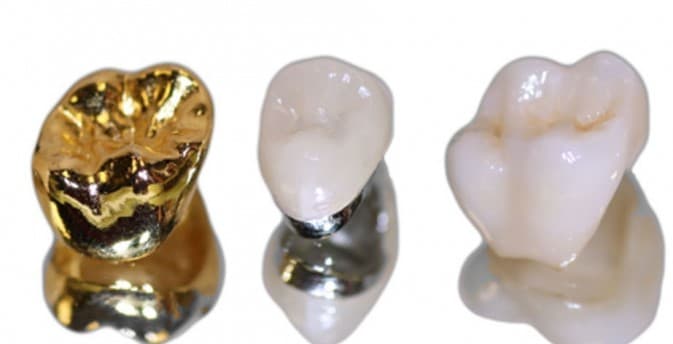
There are three main types of crowns, including:
- metal crown
- porcelain fused to metal crown
- full-ceramic crown
Unlike inlay or onlay, teeth need to be ground down to make room for the crown, and the subsequent impressions or scans, but the installation process of the trial dental mold are not very different.
Weigh the pros and cons, make a choice
Dentists often need to determine which treatment plan is suitable for a patient through clinical examination. Often a dentist will offer more than one option. Patients can weigh the pros and cons of various options and choose the one that best suits them. If you have any questions, please consult your trusted family dentist.
Whether a filling, inlay, onlay or crown is right depends on a dentist assessing the extent of decay and the remaining tooth structure. To see the assessment and treatment options in restorative dentistry, refer to our restorative dental services.