When our teeth face loss, oral health resembles a puzzle with a missing piece, resulting in a compromised overall picture. Maintaining oral health requires various elements to closely collaborate, forming a perfect whole. This includes maintaining excellent oral hygiene habits, regularly undergoing oral examinations, adhering to proper dietary practices, and receiving necessary dental treatments. Dental bridges represent a fixed dental restoration designed to supplement missing teeth, playing an indispensable role in rebuilding oral function and aesthetics. It reconnects various aspects of oral health, contributing to the establishment of a healthy and complete oral system.

How does a dental bridge address missing teeth?
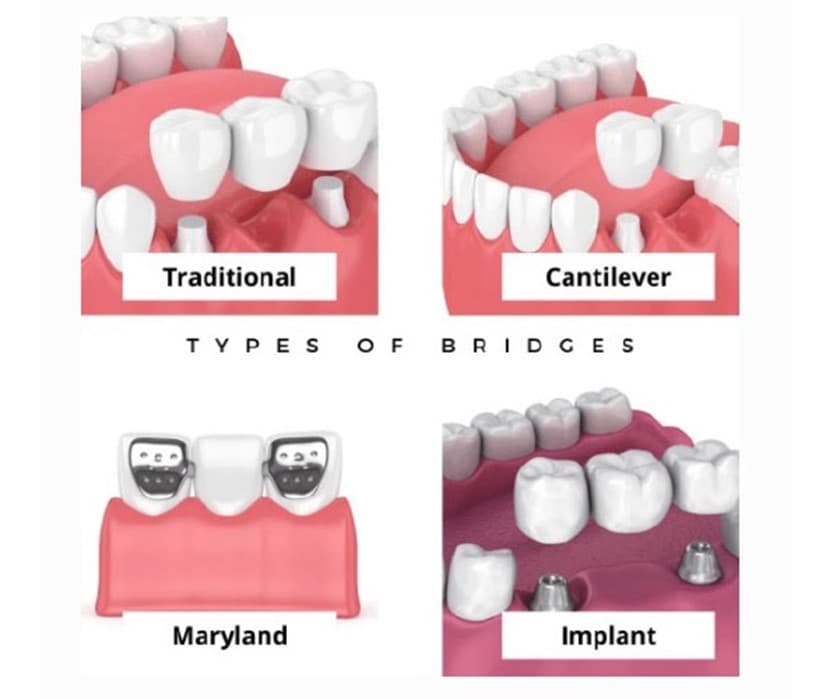
A dental bridge is an effective fixed restoration, comprising two essential elements: the bridge and the abutment. The bridge, crafted with artificial teeth, relies on natural teeth for support through a skillful connection. This ensures not only superior biting force but also a secure fixation within the oral cavity.
Thanks to the intricate design of the bridge, it authentically mimics real teeth, presenting a remarkably natural appearance that is almost imperceptible as an artificial restoration. The excellence of dental bridges lies in their stability and functionality, contributing to the restoration of normal chewing function and oral aesthetics for patients, making them an ideal choice for partial tooth replacement.
What are the steps for a dental bridge?
1. Preliminary Assessment and Diagnosis
The dentist initiates the process with a thorough oral examination, assessing the patient's oral condition. Meticulously examining the location of the missing tooth and the health of surrounding teeth, the dentist determines the suitability for commencing dental bridge treatment.
2. Developing a Treatment Plan
Based on the assessment findings, the dentist crafts a personalized treatment plan. This comprehensive plan includes selecting the appropriate type of dental bridge, determining the number and placement of abutments, and outlining the subsequent steps in the treatment process.
3. Obtaining Impressions
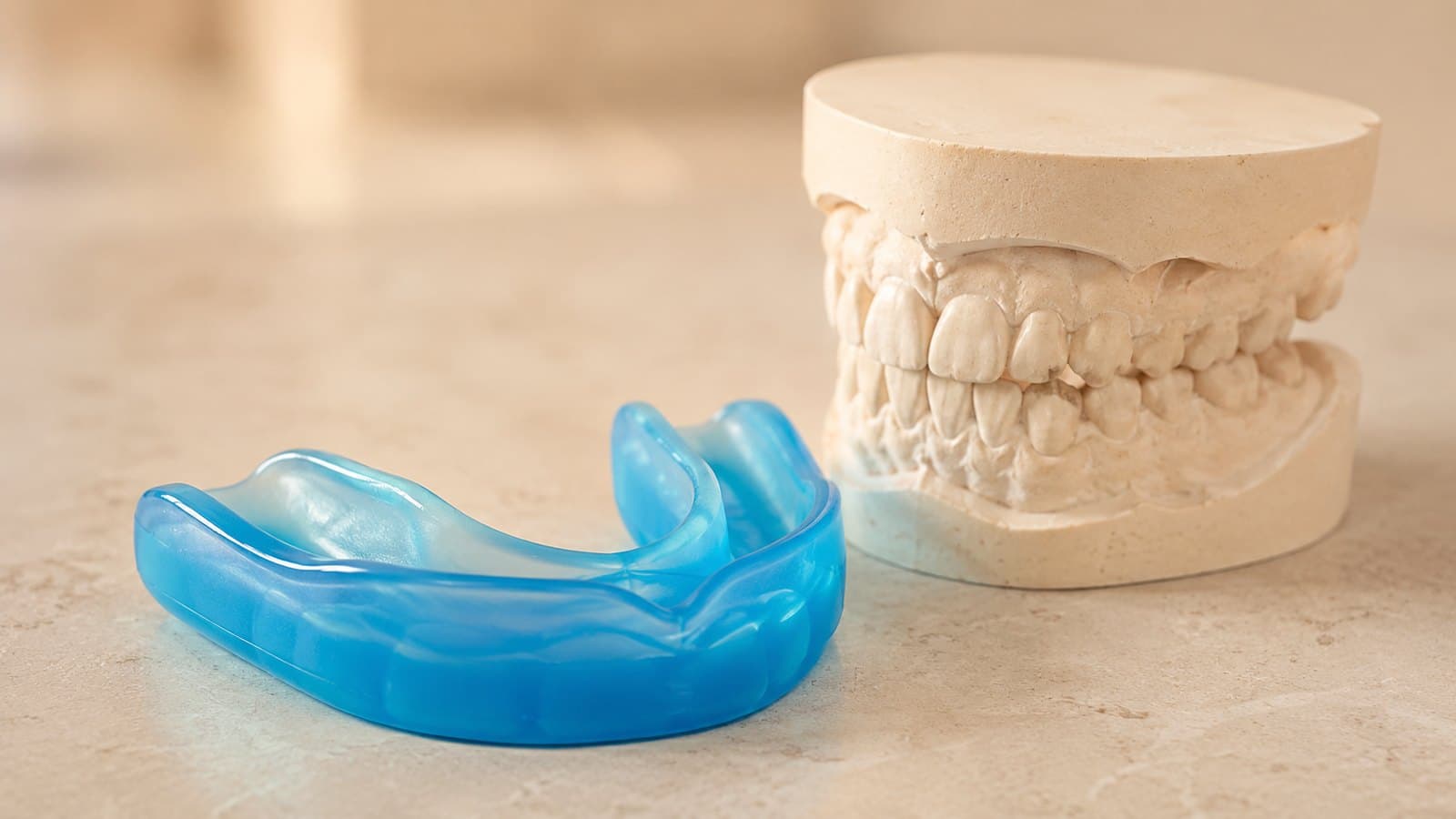
The dentist takes detailed impressions of the patient's oral structure using specialized materials. These impressions serve as the foundation for crafting a customized bridge, ensuring an exact fit that seamlessly integrates with the unique contours of the patient's mouth.
4. Abutment Preparation
In the case of using natural teeth as abutments, these teeth will undergo minor adjustments to facilitate the installation of abutments. If implants serve as abutments, a surgical procedure is required to embed artificial tooth roots into the jawbone.
5. Installation of Temporary Bridge (If Necessary)
Before the completion of the final bridge, a temporary bridge may be installed to safeguard the structural integrity and aesthetics of the patient's oral cavity.
6. Bridge Fabrication
The dentist crafts a custom-made bridge based on the oral impressions, ensuring a natural appearance that harmonizes seamlessly with the surrounding teeth.
7. Bridge Installation
Once the fabrication of the bridge is complete, the dentist meticulously installs it, securely affixing the bridge onto the abutments to ensure both stability and durability.
8. Adjustments and Follow-up Care
The dentist performs essential adjustments to ensure the comfort and optimal functioning of the dental bridge. Simultaneously, they offer guidance on post-bridge care, emphasizing good oral hygiene practices and scheduling regular check-ups.
The duration of the entire treatment process depends on the individual circumstances of the patient and the chosen treatment approach.
What are the advantages and disadvantages of dental bridges compared to dentures and implants?
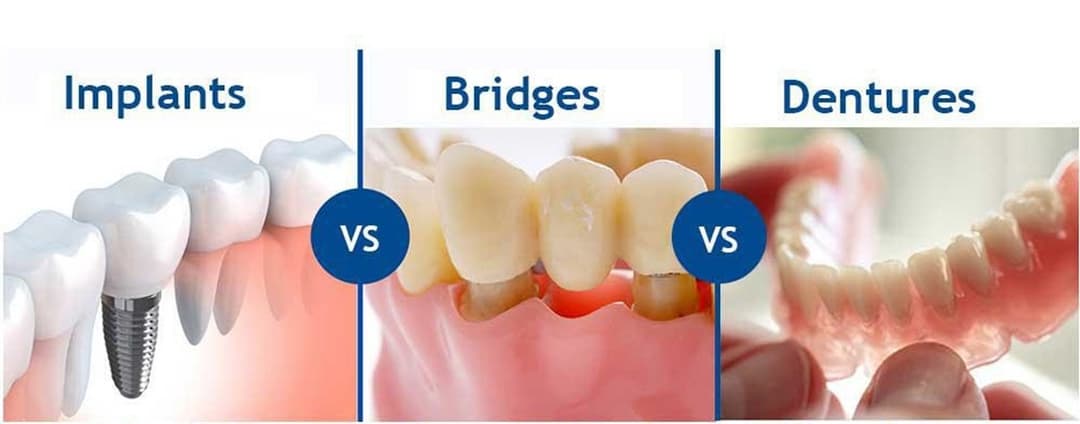
Dental bridges, dentures, and implants are three distinct methods for dental restoration, each with its own merits and drawbacks. Here is a primary comparison among them:
1. Stability and Fixation
-
Dental Bridges: Offer excellent stability as the bridge is securely fixed on abutments, typically supported by natural teeth or implants.
-
Dentures: Removable and, consequently, exhibit relatively lower stability, especially in the case of removable full-mouth dentures.
-
Dental Implants: Provide the highest level of stability by anchoring artificial tooth roots firmly into the jawbone, mimicking the biological structure of natural teeth.
2. Natural Appearance
-
Dental Bridges: Exhibit a natural appearance, though the materials of the bridge might be perceptible upon close inspection.
-
Dentures: Full-mouth dentures typically achieve a natural look, but at times, they may still be noticeable from a distance.
-
Dental Implants: Display an exceptionally natural appearance, seamlessly blending with the surrounding teeth.
3. Protection of Surrounding Tissues
-
Dental Bridges: Requires slight adjustments to the abutment teeth, potentially sacrificing some natural tooth tissue.
-
Dentures: Impacts surrounding tissues minimally, as dentures typically do not require alterations to natural teeth.
-
Dental Implants: Preserves surrounding natural teeth without causing harm, contributing to the protection of oral tissues.
4. Treatment Duration and Complexity
-
Dental Bridges: Shorter treatment duration with lower surgical complexity.
-
Dentures: Crafting and adjusting dentures may take a longer time, but treatment complexity is lower.
-
Dental Implants: Longer treatment duration is required, and the surgical procedure is more complex.
5. Cost
-
Dental Bridges: Moderately priced, offering an economical option.
-
Dentures: Relatively lower in cost, providing a budget-friendly choice.
-
Dental Implants: Typically the most expensive option.
In summary, dental bridges, as a solution to the issue of missing teeth, not only excel in restoring functionality but also demonstrate outstanding value in maintaining oral aesthetics and enhancing the quality of life. From the initial assessment to the formulation of a treatment plan, and through the meticulous fabrication and installation process, each step reflects the professionalism and precision involved in dental bridge restoration. While each restoration method has its advantages and limitations when compared to dentures and dental implants, dental bridges stand out as a trusted choice for many patients due to their stability, natural appearance, and relatively shorter treatment duration.
However, when faced with the choice of dental bridge treatment, we recommend that patients thoroughly consider individual needs, oral health conditions, and financial budgets. Through in-depth discussions with a professional dentist, devising the most suitable treatment plan can not only rebuild lost teeth but also restore a confident smile, all while enjoying superior oral functionality and overall aesthetics. This is not just an investment in oral health but a crucial step towards a healthier, more confident life.
Whether a bridge suits you depends on the health of the supporting teeth and how many teeth are missing. To see how bridges are assessed and made, refer to our crowns and bridges service.