Children's black teeth are not cavities?!
Paediatric Dentistry

Children's black teeth are not cavities?!

Black spots on children's teeth aren't always cavities — chromogenic bacteria can stain milk teeth with marks that brushing alone won't remove.

From time to time, parents may find that their children's teeth have black spots that cannot be brushed away, and the first thing they can think of is tooth decay. As we all know, tooth decay usually brings a dark cavity, and tooth decay is indeed a common oral problem among the children. However, black spots on teeth are not necessarily caused by tooth decay, as bacteria can also form black spots and produce black pigment on teeth. This "external cause" pigmentation problem usually occurs in children's milk teeth. Discolouration in a child’s teeth needs an unhurried assessment, which is one reason choosing the right dentist for a child matters.

What are "chromogenic bacterial stains"?

The environment of the oral cavity is conducive to the reproduction of bacteria. There are more than 20 billion bacteria spread on the teeth, tongue and the lining of the oral cavity, and the color-producing bacteria that can form stains can cause pigmentation on the surface of the teeth.
 

Both permanent and milk teeth can have dental pigmentation problems, but it is more common in milk teeth. There may be black lines and a few spots on the surface of the teeth on the upper edge of the gums of children. Generally, they cannot be removed by brushing their teeth. Even if they go to the dental centre to have their teeth cleaned and scraped, they may form tooth stains again very soon. Staining is easier to prevent than to remove, which is why routine paediatric dental care starts earlier than most parents expect.

Why do teeth appear pigmented?

The pigments of chromogenic bacteria stay on the surface of the teeth and cause tooth pigmentation, which can produce different color stains for different reasons, usually black (chemical reaction with saliva iron), orange or green. A variety of dentin and oral hygiene conditions can quietly create an environment of oral bacteria breeding grounds that favor color-producing bacteria, including:

1.    Tooth surface factors – The tooth surface itself is rough and the teeth are not aligned, which makes it easy for food residues to adhere to the teeth.

2.    Insufficient saliva secretion – Body constitution often varies from person to person. Some children’s bodies produce saliva with high concentration, slow flow rate and small amount, which may prevent saliva from cleaning the mouth naturally, and the pigment tends to settle down.

3.    Problems with eating habits – children eat too many high-pigmented foods on weekdays or for a long time, such as eating sweet, sticky, colored foods, and even traditional Chinese medicine, which may also cause pigmentation of children's teeth.

4.    Poor oral hygiene – poor cleaning habits for a long time, not brushing, gargling or drinking water in time after eating colored food, so that the pigment stays on the surface of the teeth and turns black.
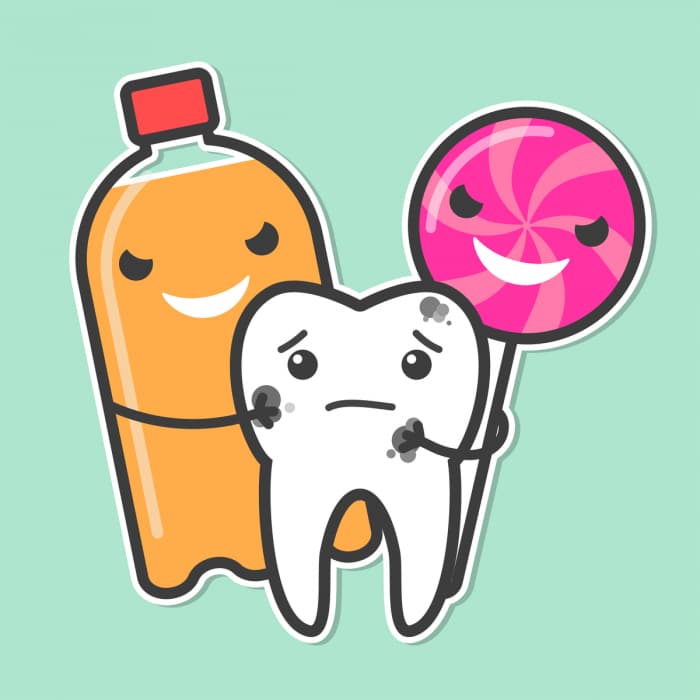
 

Causes of tooth stains

How to deal with tooth stains?

Parents do not need to worry too much about the problem of tooth stains to their children. As the child grows, the type of oral bacteria changes, and as the permanent teeth grow in, the color-producing bacterial stains decrease. If you want to improve your child's tooth stains, you can help your child establish good oral care habits, which are set out below:

1.    Good eating habits: If the teeth are stained by external factors, you can start to improve your eating habits. Avoid eating sticky and colored foods and drinks, such as chocolate biscuits, tea, coffee, chocolate drinks, orange soda, etc. The same early check-ups that catch staining are when alignment is first assessed, so when to start braces for a child is usually raised at that visit.

2.    Brush your teeth with toothpaste: Brush your teeth carefully two to three times a day to remove bacteria that cause stains to build up in your mouth. Toothpaste is required when brushing, but no special whitening toothpaste is required.

Unconsciously turning into a mouth full of black teeth can cause very serious cosmetic problems for children as they may feel embarrassed about their teeth. Parents should recognize color-producing bacteria as soon as possible to help their children prevent the formation of tooth stains and give them a beautiful and confident smile in their childhood!

When in doubt, consult your trusted family dentist.
 

Discolouration in children has several possible causes — see our paediatric dentistry service to have it properly distinguished.

Article Info

First published: 8 August 2021

Last reviewed: August 2026

Share

FAQ

Frequently Asked Questions

  • What causes black spots on children's teeth if they're not cavities?

    Chromogenic bacteria can produce black pigment that stains the tooth surface, especially on milk teeth. These bacteria thrive when oral conditions favour them — rough tooth surfaces, insufficient saliva flow, high-pigment foods or poor brushing habits. The black marks often appear as lines or spots near the gumline and won't brush away easily.

  • How much does it cost to remove black stains from children's teeth?

    Professional cleaning to remove chromogenic bacterial stains is HK$800 per session with a dental hygienist and HK$980 with a dentist. However, as mentioned in the article, stains may return quickly even after cleaning. The most effective approach is establishing good oral hygiene habits at home. Early assessment of development and timing matters — problems guided early are simpler and less costly to manage. After a clinical assessment we explain the fee components clearly, and treatment starts only with your consent. WhatsApp us to arrange a consultation and discuss the best approach for your child.

  • Will the black stains on my child's milk teeth go away on their own?

    As the child grows, the type of oral bacteria changes naturally. When the milk teeth fall out and permanent teeth come through, chromogenic bacterial stains typically decrease. That said, establishing good oral hygiene now prevents the problem worsening and sets habits that protect the permanent teeth.

  • How much does a paediatric dental consultation cost?

    A paediatric consultation starts from HK$400. Treatment is quoted after the assessment.

  • Can professional teeth cleaning remove chromogenic stains completely?

    Professional cleaning and scaling can remove the pigment, but the stains may form again quite soon if the underlying conditions remain. Staining is easier to prevent than remove, which is why routine paediatric dental care focuses on changing the oral environment through diet adjustments and proper brushing technique.

  • What foods should I avoid giving my child to prevent tooth stains?

    Avoid sticky and highly pigmented foods and drinks — chocolate biscuits, tea, coffee, chocolate drinks, orange soda and similar items. After eating any coloured food, encourage your child to rinse with water or brush their teeth promptly so pigment doesn't settle on the tooth surface.

  • Do I need special whitening toothpaste to remove the black marks?

    No special whitening toothpaste is required. Regular toothpaste used with careful brushing two to three times a day is sufficient to remove the bacteria that cause stains to build up. Consistent technique matters more than the product.

Still wondering about something? Our team is happy to chat.

Reminder: You have the right to choose a Hong Kong dentist based on your individual needs. We recommend referring to the list of registered dentists published on the official website of the Dental Council of Hong Kong to make a choice best suited to your personal needs. The above content is intended to give you a brief introduction to the nature and effects of the relevant dental procedures, so that you can make informed decisions when choosing a dentist and related treatment options. All treatments have advantages and disadvantages — the key is that you must have a basic understanding of different treatments and procedures and be aware of the associated risks. The above content does not represent the professional opinion or views of any dentist or dental institution. For the sake of your health, please consult your family dentist for formal medical advice.

This article is compiled by the Public Education Team of Home Dental and has been reviewed and approved by the Content Review Committee of Home Dental. The Committee comprises members of our Board of Directors, legal advisors, and relevant professionals, and is responsible for vetting all externally published health education content to ensure it is professional, accurate, relevant to the local context, and regularly updated to meet Hong Kong dental service standards.

This content is originally produced by Home Dental, all rights reserved. Unauthorized reproduction, modification, or publication is prohibited. Violators will bear legal responsibility. For citation or partnership inquiries, please contact our center for written permission.

Last updated: Aug 2026

Paediatric Dentistry

Want to know more about Paediatric Dentistry?

31 general & specialist dentists · Licensed daycare procedure centre