A Comprehensive Guide to Children's Tooth Loss: Normal Sequence and Care Recommendations for Five-Year-Olds
In Hong Kong, many parents are concerned about their children's dental development, especially the process of losing baby teeth. Tooth loss is an important milestone in every child's growth. Understanding the normal sequence and age range for tooth loss can help parents better care for their children's oral health.
What is Tooth Loss?
Tooth loss refers to the gradual shedding of baby teeth, followed by the emergence of permanent teeth. Generally, children start losing their baby teeth around the age of six, but it is completely normal for some children to begin this process at five years old.
Normal Sequence of Tooth Loss
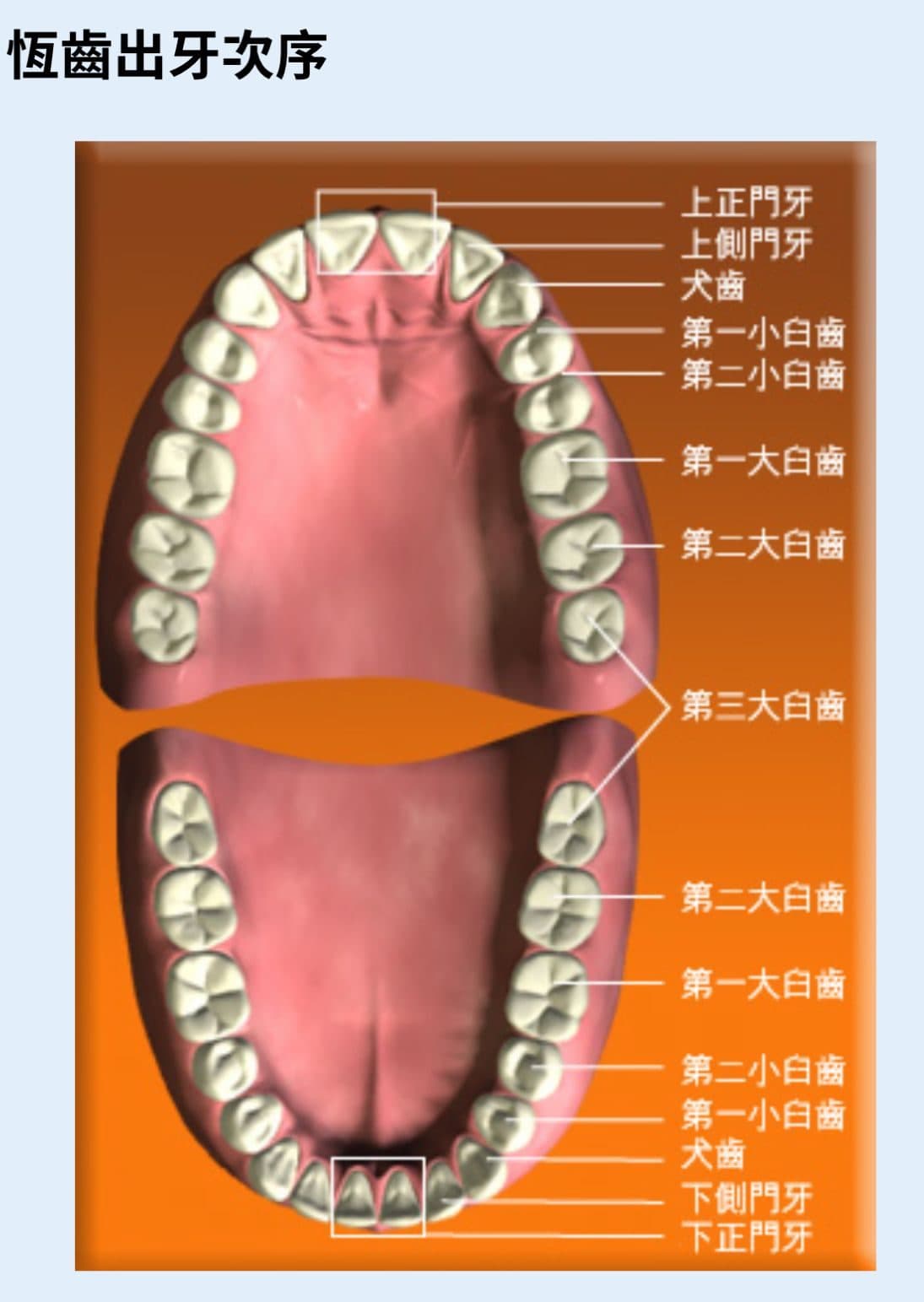
The sequence of tooth loss in children typically occurs from the front to the back. Here is the general order:
- Lower Front Teeth (usually lost between ages 5 and 7)
- Upper Front Teeth (usually lost between ages 6 and 8)
- Lower Lateral Teeth
- Upper Lateral Teeth
- Lower Molars
- Upper Molars
- Final Wisdom Teeth (usually erupt between ages 17 and 25)
This process may vary for each child, and parents need not worry excessively as long as their child's dental health is monitored.
Is It Normal for a Five-Year-Old to Lose Teeth?
Many parents ask, "Is it normal for a five-year-old to lose teeth?" The answer is yes! Every child's growth rate is different, and some may start losing teeth at five. It is crucial for parents to take their children for regular dental check-ups to ensure healthy dental development.
Care Recommendations During Tooth Loss
During the tooth loss period, parents can take several measures to help protect their children's teeth:
- Maintain Oral Hygiene: Encourage children to brush their teeth twice a day with fluoride toothpaste.
- Healthy Diet: Limit sugary foods and promote the consumption of fruits and vegetables.
- Regular Check-Ups: Bring children to the dentist every six months to ensure dental health.
Managing Gum Bleeding
During tooth loss, children may experience slight bleeding from their gums due to loose baby teeth or emerging permanent teeth. This is usually normal, but parents can help relieve discomfort and minimize bleeding by:
- Gentle Brushing: Use a soft-bristled toothbrush and teach children to brush gently to avoid irritating the gums.
- Saltwater Rinse: Rinse with warm saltwater to clean the mouth and reduce gum inflammation.
- Cold Compress: If gums are swollen or bleeding excessively, apply a clean cold cloth or ice pack to the cheek to reduce swelling and stop the bleeding.
- Avoiding Irritation: Remind children not to touch loose teeth with their hands or tongue to prevent worsening bleeding or infection.
- Choosing Soft Foods: During gum bleeding, offer soft, easy-to-chew foods like porridge, soup, and tofu.
Preventing Gum Bleeding
Preventing gum bleeding during tooth loss relies on good oral care habits and dietary management. Here are specific preventive methods:
- Establish Good Brushing Habits: Brush teeth twice daily for at least two minutes using a soft-bristled toothbrush.
- Regular Use of Dental Floss: Clean between teeth to remove food particles and plaque, reducing the chance of gum inflammation.
- Keep the Mouth Moist: Encourage children to drink water frequently to avoid dry mouth.
- Balanced Diet and Vitamin Intake: Provide foods rich in vitamins C and K to support gum health.
- Avoid Biting Hard Objects: Remind children not to bite hard objects to prevent gum or tooth damage.
- Regular Dental Check-Ups: Schedule visits to the dentist every six months for early detection and management of potential oral issues.

Frequently Asked Questions
Q1: What should parents do when a child’s baby tooth becomes loose? Should it be extracted?
When a child’s baby tooth becomes loose, it is usually best to let it fall out naturally without forcibly pulling it. Premature extraction may affect the normal growth direction of the permanent tooth, leading to misalignment.
It is recommended to consult a dentist if any of the following occur:
- The loose tooth affects the child’s ability to chew or speak
- The baby tooth remains loose for an extended period without falling out, hindering the eruption of the permanent tooth
- Redness, swelling, pain, or other signs of infection appear around the gum area
💡 Helpful Tip: If in doubt, early consultation can reduce discomfort and prevent future complications.
Q2: How should parents handle a child’s tooth when it falls out during the tooth replacement period?
When a baby tooth falls out naturally, parents should follow these steps:
- Safely pick up the tooth: Gently pick it up with a clean tissue, avoiding contact with the root.
- Clean the tooth (if you wish to keep it): Rinse it gently with clean water. Do not use soap or scrub it.
- Stop the bleeding: If there is bleeding, have the child bite on sterile gauze or a clean handkerchief for about 15-20 minutes.
- Maintain oral hygiene: Avoid chewing on the affected area for 24 hours. Rinse gently with warm salt water to prevent infection.
🚨 What if the child accidentally swallows the fallen tooth?
In most cases, it will pass naturally through the digestive system without harm. However, if the child experiences throat discomfort, abdominal pain, or persistent coughing, seek medical attention immediately.
Q3: Is it normal if the permanent tooth erupts before the baby tooth falls out?
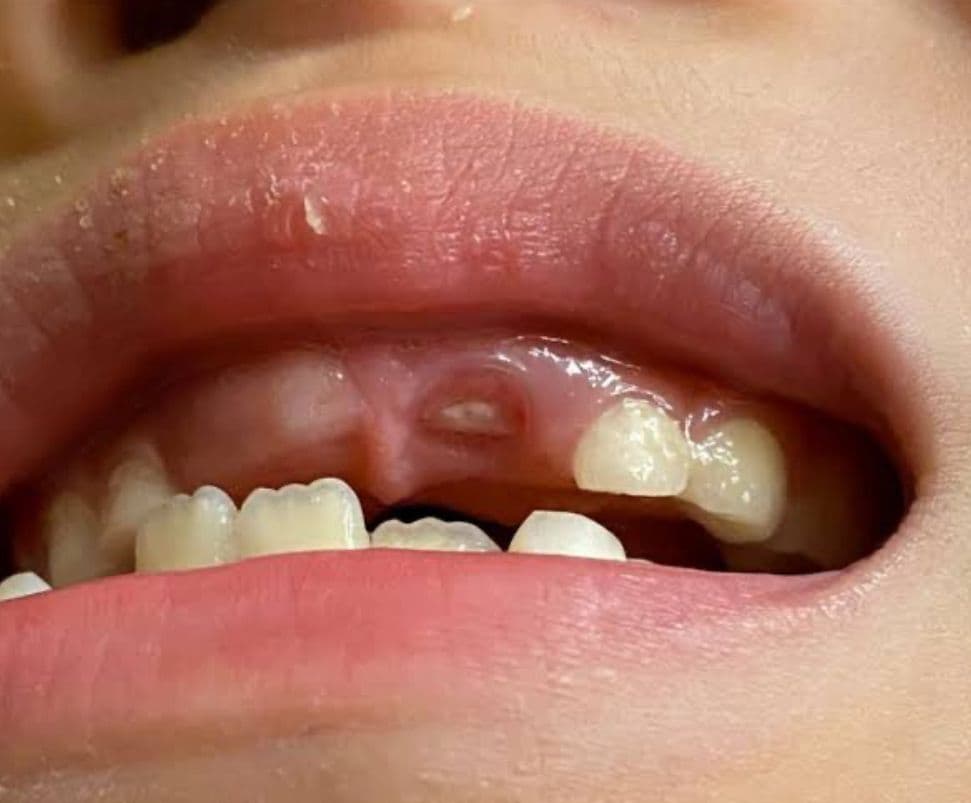
When a child’s permanent tooth begins to erupt while the baby tooth is still in place, it is known as “shark teeth.” Although it may seem concerning, it is a common occurrence during the tooth replacement process.
✅ What can parents do?
- Encourage the child to gently wiggle the baby tooth with their tongue to promote natural shedding.
- Maintain good oral hygiene, especially in areas where the teeth are crowded.
- Avoid forcibly pulling out the baby tooth to prevent gum injury or abnormal growth direction of the permanent tooth.
⚠️ When should you see a dentist?
- The permanent tooth is clearly growing in an abnormal direction
- Shark teeth interfere with eating or oral hygiene
- The baby tooth remains firmly in place, causing local swelling or pain
Q4: Should I be concerned if the baby tooth falls out but the permanent tooth has not emerged?
Typically, the permanent tooth emerges within 6 months after the baby tooth falls out. If it takes longer, parents should observe the following factors:
🔎 Possible causes:
- Variations in individual growth rates
- The permanent tooth is erupting in an abnormal direction or is blocked by other teeth
- Insufficient space in the mouth hindering eruption
- In rare cases, the permanent tooth may be congenitally missing (a dental X-ray can confirm this)
🏥 When to seek dental advice:
- No sign of the permanent tooth 12 months after the baby tooth falls out
- The permanent tooth is misaligned, or there is unusual gum swelling
- The child experiences difficulty chewing or pain
Q5: Do children feel pain during the tooth replacement process?
Most children do not experience significant pain during the tooth replacement period, but some may experience gum swelling or mild discomfort.
✅ Tips to relieve discomfort:
- Provide soft, easy-to-chew foods such as porridge, bananas, or soup noodles
- Apply a cold compress to the outer cheek to help reduce swelling
- Encourage proper brushing to maintain oral hygiene and minimize irritation
💡 Note: If the pain persists or affects daily activities, consult a dentist.
Q6: What should I do if my child’s permanent tooth is growing crooked?
If you notice that your child’s permanent tooth is growing misaligned, it is best to take them to a dentist for early evaluation. Early assessment can help:
- Determine if orthodontic treatment is needed
- Prevent future issues such as tooth crowding or bite problems
- Develop an appropriate treatment plan to shorten treatment time and reduce costs
🏥 Recommendation: Children should have their first orthodontic evaluation around age 7 for optimal results.
Q7: What should I do if the baby tooth hasn’t fallen out but the permanent tooth has already emerged?
When the permanent tooth erupts while the baby tooth remains in place, it is known as “retained baby tooth.” Prolonged retention may lead to the permanent tooth shifting or becoming misaligned.
✅ Parents should observe the following:
- Is the baby tooth showing signs of loosening?
- Is the double row of teeth affecting eating or oral hygiene?
- Is the permanent tooth growing behind or to the side of the baby tooth?
⚠️ When is extraction necessary?
- The baby tooth does not fall out for a long time, obstructing the permanent tooth’s normal growth
- Shark teeth cause chewing difficulties or hygiene issues
- The dentist recommends extraction to ensure proper alignment of the permanent teeth
💡 Professional advice: If you have concerns, consult a pediatric dentist as early as possible to avoid missing the ideal treatment window.
Conclusion
Children's tooth loss is a natural process of growth. Parents just need to be patient and provide appropriate care to help their children navigate this stage smoothly. If you have any questions about your child's tooth loss process, it is advisable to consult a professional dentist to ensure healthy dental growth. Through these methods and recommendations, you can help your child establish good oral care habits, laying a solid foundation for future dental health.
During the mixed-dentition years, double rows, delayed shedding or misplaced adult teeth are worth following up — see our paediatric dentistry service.