Could Crown Lengthening Help a Gummy Smile? What Hong Kong Patients Should Know
Esthetic Dentistry

Could Crown Lengthening Help a Gummy Smile? What Hong Kong Patients Should Know

Crown lengthening removes excess gum and bone to expose more tooth surface — improving a gummy smile or letting crowns and fillings fit securely.

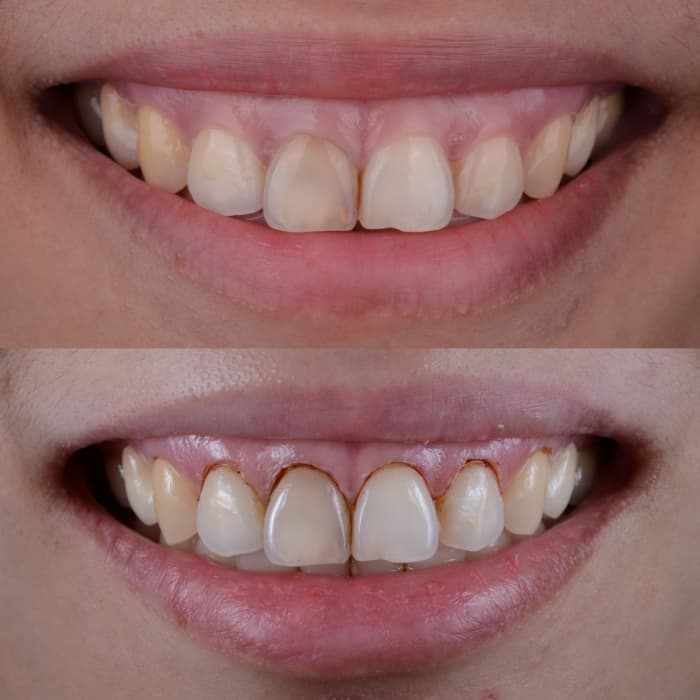
Lily has fine facial feature but is always smiling shyly avoid showing her teeth. She thinks that her smile is not pretty, as lots of gum would be showed when she smiles. Also, her teeth look shorter than normal teeth. In clinical terms, it is called excessive gingival display. If really concern about this appearance, can consider doing ‘Crown Lengthening’ to correct the proportion of gum and teeth.
Could Crown Lengthening Help a Gummy Smile? What Hong Kong Patients Should Know

Crown lengthening is a procedure to increase the length of the crown. The dentist will have examination of the patient’s oral condition, and at the same time, to decide how many teeth need to be operated. The purpose is to remove excessive gingival and bone to increase the length of the teeth. After surgery, the gums will be shortened, and more teeth surfaces will be exposed, which can improve the appearance when smiling. The traditional surgical method is performed with a scalpel or electric knife, and some doctors tend to use laser technology to cut the gums to reduce bleeding and swelling after surgery.

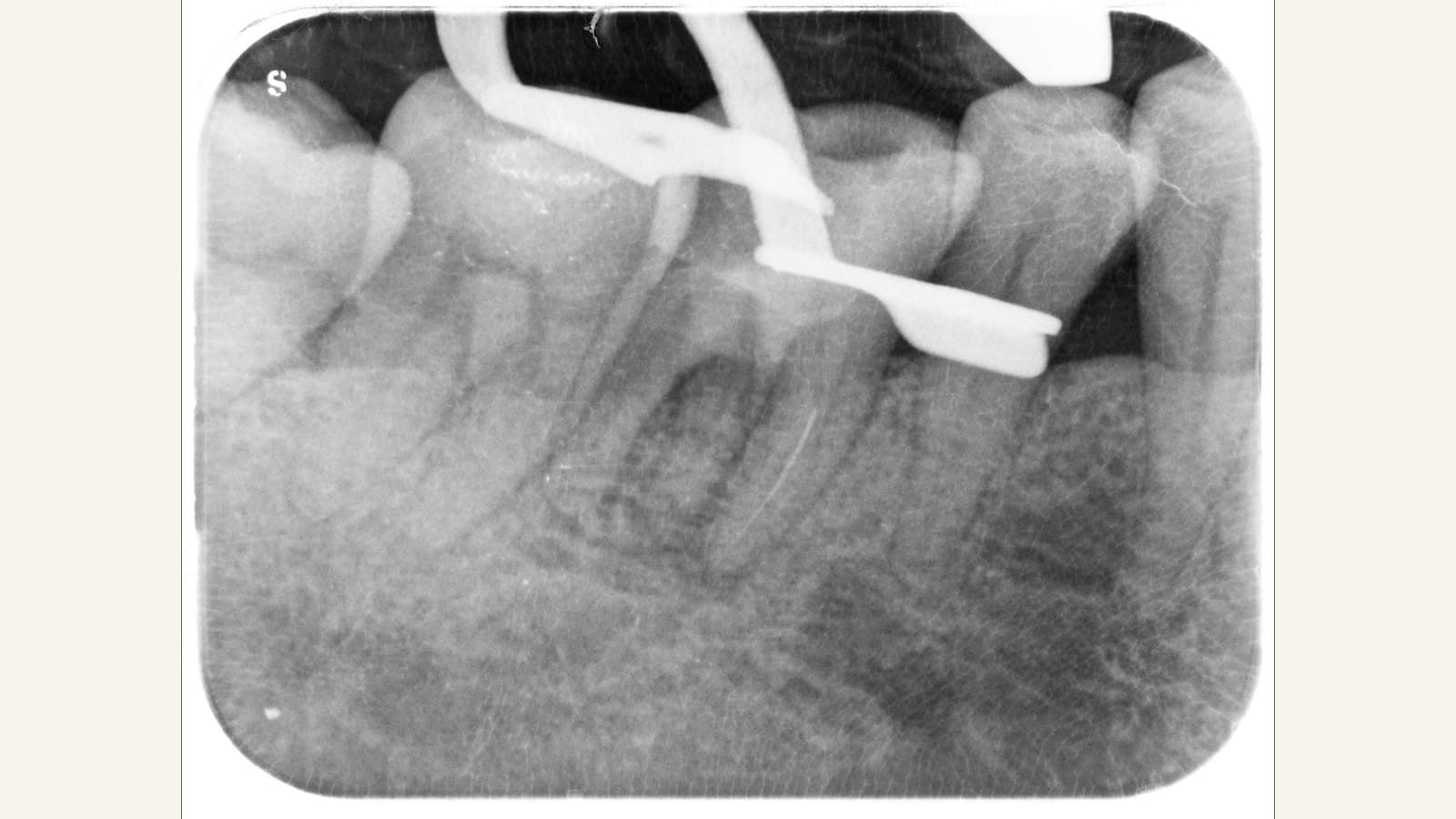
In addition to aesthetic factors, there are other situations that require crown lengthening. For example, teeth are broken due to accidents such as falls or impacts. These people need to make dental crowns for the teeth to restore normal function of teeth and appearance. However, when the tooth is damaged too deeply and it breaks under the gums, the tooth structure cannot well support the crown. At this time, it is necessary to perform crown lengthening to expose healthy tooth structures, so that the edges of the crown can be fitted to the tooth margin.

Another example is to deal with the caries that happens under the gum. It is difficult for the dentist to completely remove the caries without being affected by saliva and blood near the gum margin. The filling is not easy to be applied to the tooth surface, which increases the risk of inflammation and tooth decay in the future. In fact, whether it is a crown or a filling, it must be away from the bone about two to three millimeters (biological width) to coexist peacefully with the gums and bones without causing long-term inflammation of the gums in the future. Therefore, patients need to make up for the above situation with crown lengthening.

However, if the tooth is damaged or the tooth breaks too deep under the gum, it will increase the difficulty of the treatment. It may be necessary to perform periodontal surgery and reshape the alveolar bone before crown lengthening. If you do not know whether you are suitable for crown lengthening, you should discuss the details with the dentist before making decision.

#crownlengthening #periodontalsurgery #reshapealveolarbone

How many teeth crown lengthening involves, and whether it suits you, is decided by a dentist after examining the gum and bone. To see how this treatment is arranged, refer to our crown lengthening treatment for a gummy smile.
Article Info

First published: 12 July 2020

Last reviewed: September 2026

Share

FAQ

Frequently Asked Questions

  • What is crown lengthening and why would I need it?

    Crown lengthening is a procedure that removes excess gum tissue and sometimes bone to expose more of your tooth. You might need it if you have a 'gummy smile', if a tooth has broken below the gum line and needs a crown, or if decay has formed under the gum where it's difficult to treat properly.

  • How much does crown lengthening cost?

    The cost depends on how many teeth need treatment and whether bone reshaping is required. Pricing varies by case complexity and is determined after a clinical assessment. Marginal fit determines longevity — a poor fit traps bacteria, causing decay at the margins or pressure sores, and may require remakes. After a clinical assessment we explain the fee components clearly, and treatment starts only with your consent. WhatsApp us to arrange a consultation and receive a personalised quote.

  • How is the procedure performed?

    The dentist examines your mouth to determine which teeth need treatment, then removes excess gum tissue and bone to expose more tooth structure. Some dentists use a scalpel or electric knife, whilst others prefer laser technology to reduce bleeding and swelling. The procedure exposes healthy tooth structure so crowns or fillings can be properly fitted.

  • How long does recovery take after crown lengthening?

    Recovery time varies depending on the extent of the procedure and whether bone was reshaped. Your dentist will provide specific aftercare instructions based on your case. We recommend discussing the expected healing timeline during your consultation so you can plan accordingly.

  • Are there any risks or side effects?

    As with any surgical procedure, there can be bleeding, swelling, and temporary discomfort. The risk of complications increases if the tooth damage extends very deep below the gum or if extensive bone reshaping is needed. Your dentist will assess your specific situation and discuss any risks during your consultation.

  • Will my teeth look longer after the procedure?

    Yes, the procedure is designed to expose more tooth structure by removing excess gum tissue. This makes teeth appear longer and can significantly improve the appearance of a gummy smile. The final result depends on how much gum tissue needs to be removed in your particular case.

  • Can crown lengthening help if my tooth broke below the gum line?

    Yes, if a tooth breaks below the gum, crown lengthening can expose enough healthy tooth structure to support a crown. However, if the break is very deep, you may need additional periodontal surgery and bone reshaping. Your dentist will assess whether crown lengthening is suitable for your situation.

Still wondering about something? Our team is happy to chat.

Reminder: You have the right to choose a Hong Kong dentist based on your individual needs. We recommend referring to the list of registered dentists published on the official website of the Dental Council of Hong Kong to make a choice best suited to your personal needs. The above content is intended to give you a brief introduction to the nature and effects of the relevant dental procedures, so that you can make informed decisions when choosing a dentist and related treatment options. All treatments have advantages and disadvantages — the key is that you must have a basic understanding of different treatments and procedures and be aware of the associated risks. The above content does not represent the professional opinion or views of any dentist or dental institution. For the sake of your health, please consult your family dentist for formal medical advice.

This article is compiled by the Public Education Team of Home Dental and has been reviewed and approved by the Content Review Committee of Home Dental. The Committee comprises members of our Board of Directors, legal advisors, and relevant professionals, and is responsible for vetting all externally published health education content to ensure it is professional, accurate, relevant to the local context, and regularly updated to meet Hong Kong dental service standards.

This content is originally produced by Home Dental, all rights reserved. Unauthorized reproduction, modification, or publication is prohibited. Violators will bear legal responsibility. For citation or partnership inquiries, please contact our center for written permission.

Last updated: Sept 2026

Crown Lengthening Surgery? Effective Gummy Smile Treatment

Want to know more about Crown Lengthening?

31 general & specialist dentists · Licensed daycare procedure centre