Dental health education article | Last updated: July 2026
Introduction: scaling is not a big procedure — yet it is the easiest one to postpone
If you work around Causeway Bay, this probably sounds familiar: you know you are due for a scaling, but "it doesn't hurt, so it can wait" — and two or three years slip by. By the time the gums bleed and breath turns stale, the problem is often bigger than a scaling. This article walks through what scaling and a dental check-up actually involve, how often to go, and what to clarify about fees in advance — so you can schedule it with confidence.
What actually happens during scaling?
Scaling is performed by a dentist or dental hygienist using an ultrasonic scaler that vibrates and flushes away calculus (calcified plaque) from the tooth surfaces and gum margins, followed by hand instruments for the spots the scaler cannot reach, and finally polishing so plaque finds it harder to re-accumulate. The whole visit usually takes about 30 to 45 minutes, depending on how much calculus has built up.
One point worth knowing: no amount of good brushing removes calculus once it has calcified — from that point, only scaling can. That is why scaling is not a luxury treatment but the most basic preventive measure against gum disease.
What does a dental check-up include?
A full check-up is more than a quick look for cavities. It generally covers:
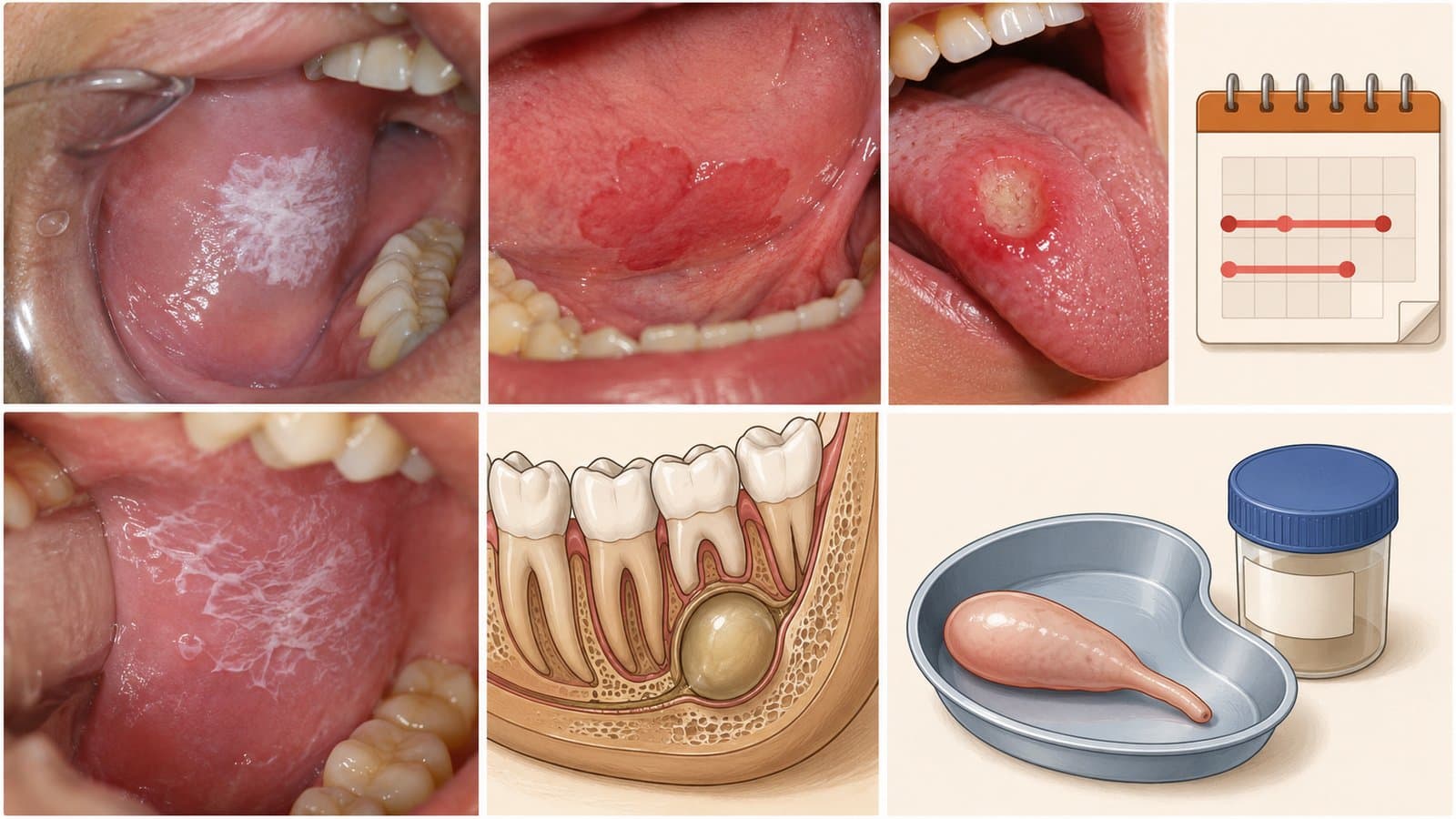
- Soft-tissue examination — checking the cheeks, tongue and floor of the mouth for abnormal changes;
- Tooth examination — decay, cracks, and the condition of existing fillings and crowns;
- Periodontal examination — gum redness, bleeding, and pocket depths;
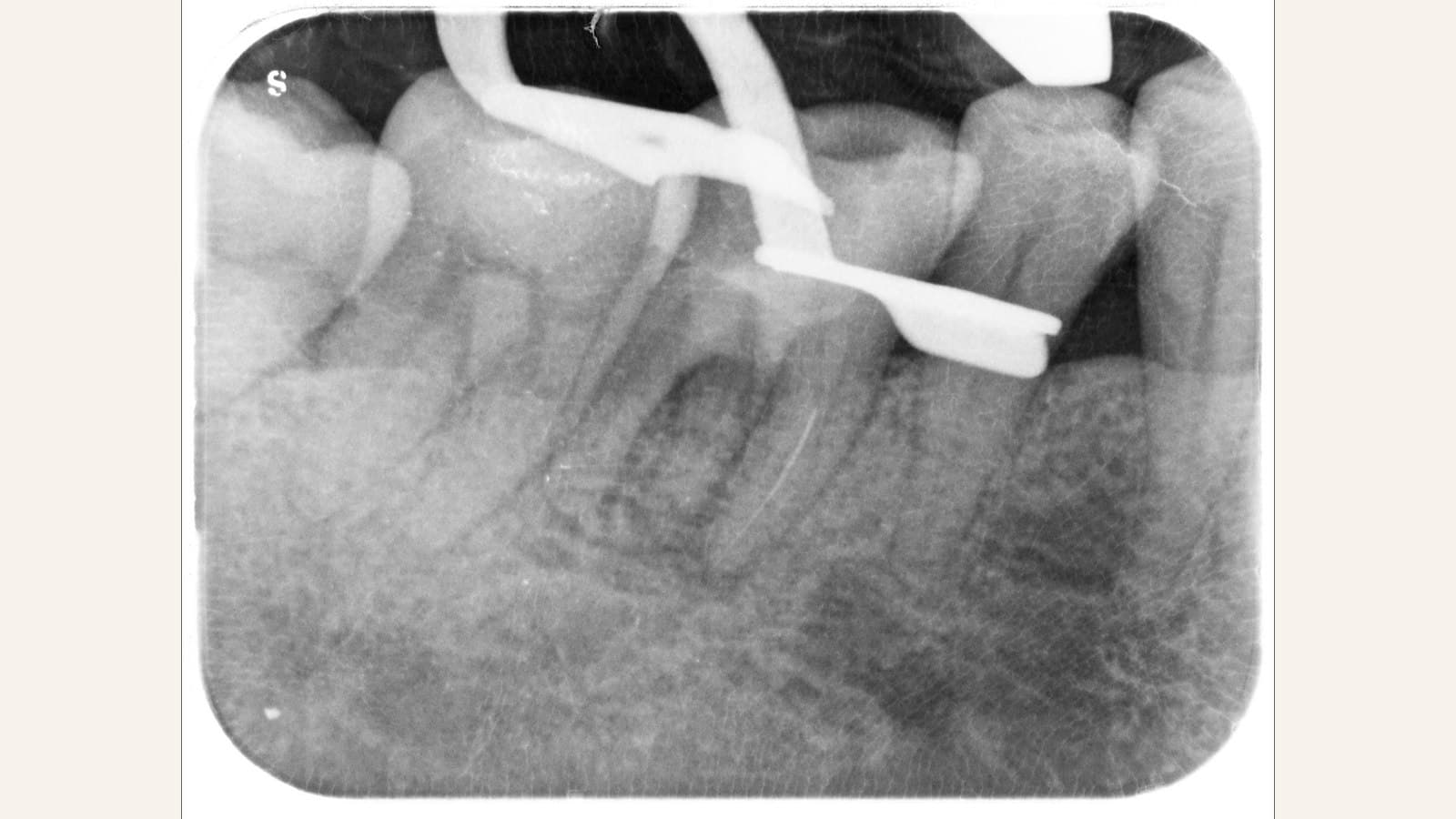
- X-ray assessment (where needed) — between the teeth, at the roots and in the supporting bone; many problems invisible to the naked eye show up only on X-rays.
Afterwards, the dentist should explain the findings: what needs follow-up, what the options are, and what happens if nothing is done.
How often should you have a scaling?
The usual guide is a scaling and check-up every 6 to 12 months — but the actual interval should be assessed by your dentist based on your gum condition Routine cases are handled by the general dental team at Home Dental Centre, with appointments arranged according to the dentists on duty. If clinical assessment indicates another area of care, the centre will arrange a further assessment with the appropriate dentist, and dentists from different areas can jointly develop a combined treatment plan., how quickly calculus builds up, smoking habits and medical history. Someone with healthy gums may be fine with once a year; someone with a history of gum disease or fast calculus build-up may need a visit every 3 to 6 months. The key is regularity: early gum disease is almost painless, and waiting until it hurts makes treatment far more complex and costly.
Does scaling hurt? Will it loosen my teeth?
Most people feel only vibration and mild sensitivity; inflamed gum areas may bleed slightly — that is a sign of the existing inflammation, not damage from the scaling. As for the belief that "teeth feel loose after scaling": heavy calculus can splint already-loose teeth like cement, and removing it reveals the true situation. The cause of the looseness is gum disease, not the scaling. If sensitivity worries you, tell the dentist beforehand and discuss doing the treatment in stages or using desensitising measures.
Fee considerations: what should a quote include?
Scaling and check-up fees vary noticeably between clinics, and the most important comparison is what the quoted price actually covers. A clear quote should itemise:
- the examination/consultation fee (and whether it is offset against treatment if you proceed);
- X-ray charges (whether separate, and how many films);
- the scaling itself;
- if the examination reveals follow-up needs (fillings, or deep cleaning/root planing), a separate itemised quote for each.
The safe practice is assessment first, quote up front: the dentist examines you, then gives you a written plan and fee list to consider, and the decision to proceed rests with you. If a clinic pushes you to commit to a package before any examination, treat that as a warning sign rather than a bargain.
Practical tips for Causeway Bay office workers
A scaling with check-up is usually done within 45 minutes to an hour, so many people schedule it over lunch or after work. When booking, check: does the clinic's schedule include lunchtime and early-evening sessions? Does it open on Saturdays, Sundays and public holidays (useful for pairing with your days off)? If you need to reschedule at short notice, can you simply message any time? These details decide whether you actually keep a regular scaling habit — or postpone it for another few years.
To sum up
Scaling and check-ups are the lowest-cost, most reliable investment in your oral health: the process is simple and quick, and what matters most is regularity. When choosing a clinic, remember three things — understand the process, ask the reasons behind the recommended interval, and get a written, itemised quote. This article provides general information only; actual treatment plans and scaling intervals must be determined by a dentist through clinical examination.
How often you need scaling, and what the check-up covers, is decided by a dentist based on your gum condition. To see what comprehensive scaling care includes, refer to our teeth scaling service.