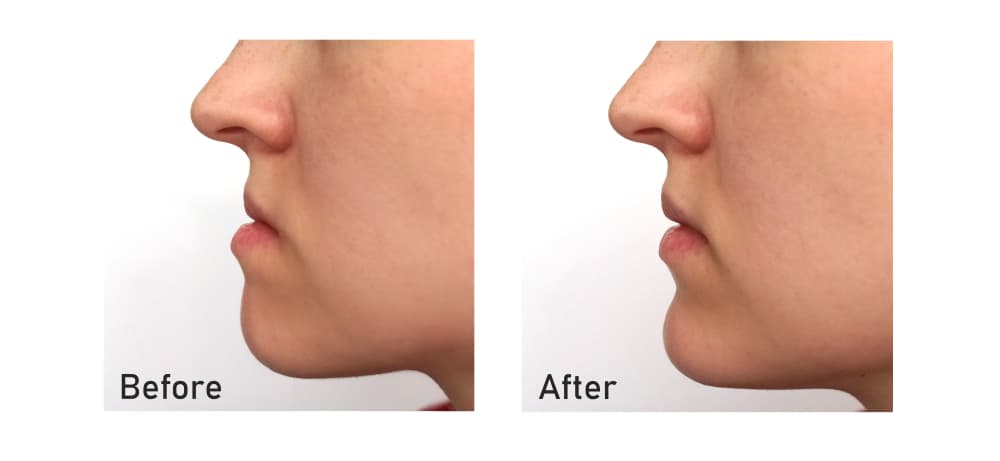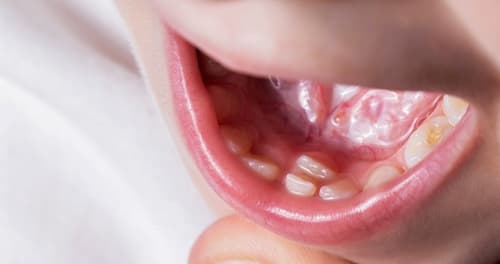
In Hong Kong’s music scene, singer Hana Kuk is well known for her emotional voice and resilient image. In a past interview, she candidly revealed that she had long suffered from hyperdontia—a condition where extra teeth grow in the mouth. She described her experience as “growing one strange tooth after another,” with gum pain and discomfort that even affected her ability to sing and speak. She called them “zombie teeth,” highlighting how they impacted both her appearance and everyday life.
But is it really true that the teeth “keep growing endlessly”? Is there a scientific explanation or treatment?
In fact, hyperdontia is a dental condition that can be effectively identified and treated through proper examination and early intervention. This article uses Hana’s public experience as a case study to explore the definition, causes, effects, diagnosis, and treatment of hyperdontia, while addressing common myths. It aims to help parents, teenagers, and adults in Hong Kong better understand and manage this condition.
1. What Is Hyperdontia?
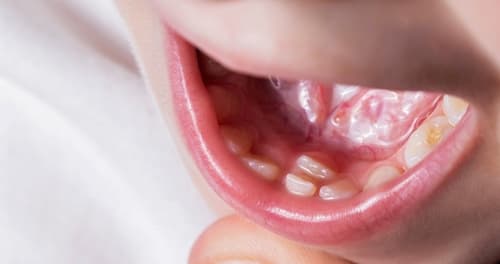
Hyperdontia, also known as “supernumerary teeth,” refers to the growth of additional teeth beyond the normal number.
-
Adults normally have 32 permanent teeth (including wisdom teeth)
-
Children normally have 20 baby (deciduous) teeth
Any extra teeth that emerge—or even remain unerupted—can be considered hyperdontia.
Research suggests that the incidence of hyperdontia ranges from 0.15% to 3.8%, with 60% of patients having just one extra tooth. However, around 40% may have two or more extra teeth. In extreme cases, literature has documented individuals with over 30 extra teeth.
Common Classifications of Hyperdontia:
-
By stage: Primary dentition / Permanent dentition
-
By number: Single-tooth type / Multiple-teeth type
-
By location: Most commonly found in the upper front (midline), canine areas, or premolar regions
-
By shape:
-
Supplemental: Resembles normal teeth
-
Rudimentary: Peg-shaped, small, irregularly formed
-
2. What Are the Symptoms of Hyperdontia?
While some extra teeth remain unerupted and cause no symptoms, once they interfere with dental alignment or bite, they can lead to various issues.
1️⃣ Aesthetic Concerns
-
Crowding or misalignment, such as protruding or crooked front teeth
-
Abnormal tooth appearance when smiling, creating psychological pressure
-
Teenagers may develop self-esteem issues and reduce social interaction
2️⃣ Functional Problems
-
Speech issues, especially with sounds like “s” and “sh”
-
Reduced chewing efficiency; may lead to one-sided chewing and TMJ problems
-
Food trapped between crowded teeth, increasing risk of gum disease and bad breath
3️⃣ Pathological Risks
-
Extra teeth may block normal tooth eruption
-
Unerupted teeth may form cysts (due to fluid accumulation in dental sacs)
-
Root resorption of adjacent teeth, leading to bone loss or even tooth loss
-
Formation of odontomas, which are tumor-like clusters of small tooth-like structures
3. Common Misunderstandings vs. Expert Explanations
| Misconception | Expert Clarification |
|---|---|
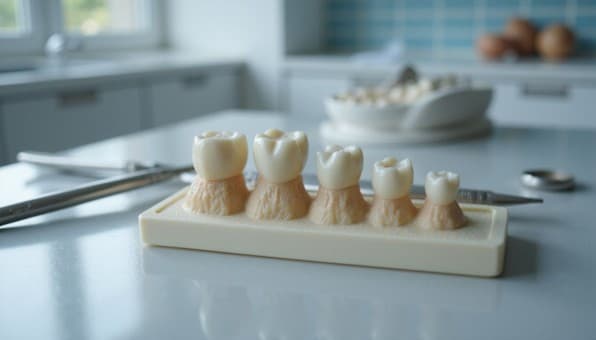
| “Hyperdontia causes endless teeth growth” | ❌ Incorrect. Each patient has a fixed number of extra teeth. What seems like continuous growth is simply the staggered eruption of multiple teeth. |
| “X-ray shows nothing, so I’m fine” | ❌ Incorrect. Panoramic X-rays or CBCT scans are needed to detect deeply embedded or unerupted teeth. |
| “It doesn’t hurt, so I don’t need to worry” | ❌ Incorrect. Even painless cases can pose serious risks like cysts, root resorption, and nerve compression—regular monitoring by a dentist is essential. |
4. How to Properly Diagnose Hyperdontia
Step-by-step Diagnostic Process:
1️⃣ Medical history and visual exam: Check for delayed eruption, abnormal alignment, or family history
2️⃣ Local X-ray: To examine suspected areas
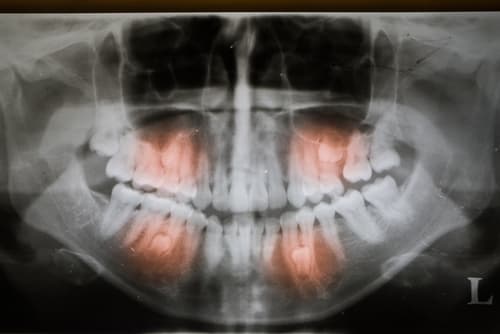
3️⃣ Panoramic X-ray (OPG): Gives a full view of both jaws and developing teeth
4️⃣ CBCT scan (3D imaging): Confirms position, depth, number of extra teeth, and proximity to nerves or roots
5️⃣ Treatment planning: Decide whether extraction or orthodontic coordination is needed
🔍 It’s worth noting that Hana’s claim of “new teeth growing over a year” likely resulted from initial misdiagnosis due to the absence of CBCT scanning. As multiple supernumerary teeth emerged over time, it gave the false impression of continuous growth.
✅ Conclusion: Early Awareness & Accurate Diagnosis Bring Peace of Mind
Hyperdontia is not a terrifying condition, but what’s truly risky is delayed diagnosis or inaction. Whether your child is experiencing unusual tooth eruption or you’ve noticed crowding or oddly shaped teeth as an adult, it’s crucial to seek professional dental advice as early as possible.
With proper diagnostic tools—like panoramic X-rays and CBCT—and guidance from experienced dental professionals, most hyperdontia cases can be safely treated, restoring both bite function and smile aesthetics.
📢 Educational Call to Action:
Parents should prioritize dental screenings for children between ages 6 to 8, especially during the tooth replacement stage. Understanding that hyperdontia is not a mysterious or incurable disorder, but a detectable and manageable condition, can help prevent complications down the line.
Adults, too, should take symptoms like misalignment or unexplained tooth irregularities seriously to avoid complex surgeries or long-term damage.
![[Canine Teeth Guide] Causes, Correction Options & Dental Risks | Trusted by HK Dentists](/_next/image?url=https%3A%2F%2Fuivazhssaweitolfbapb.supabase.co%2Fstorage%2Fv1%2Fobject%2Fpublic%2Fmedia%2F2025%2F05%2F17466355888220.jpg&w=3840&q=75&dpl=dpl_2rk7DdbCpT3xZF4aqp76ujYbqDe6)