Suddenly experiencing root canal pain?
Toothache is one of the most common dental problems, and when oral bacteria invade the internal structures of the tooth, it can lead to root inflammation, causing root canal pain and other dental issues. However, there are many reasons for tooth root pain. Does excruciating root canal pain mean you have pulpitis? This article will break down the causes of root canal pain, explore symptoms of root inflammation, and provide effective preventive methods.
What are the causes of root canal pain? Could it be root inflammation?
The unbearable pain caused by root canal pain typically begins with oral bacteria. Once oral bacteria form dental plaque and start eroding the enamel on the tooth's surface, it gradually penetrates the dental pulp, causing inflammation around the tooth root and ultimately leading to tooth nerve pain. However, in what situations is root canal pain likely to occur? Is there a chance of root inflammation? There are generally four reasons for root canal pain:
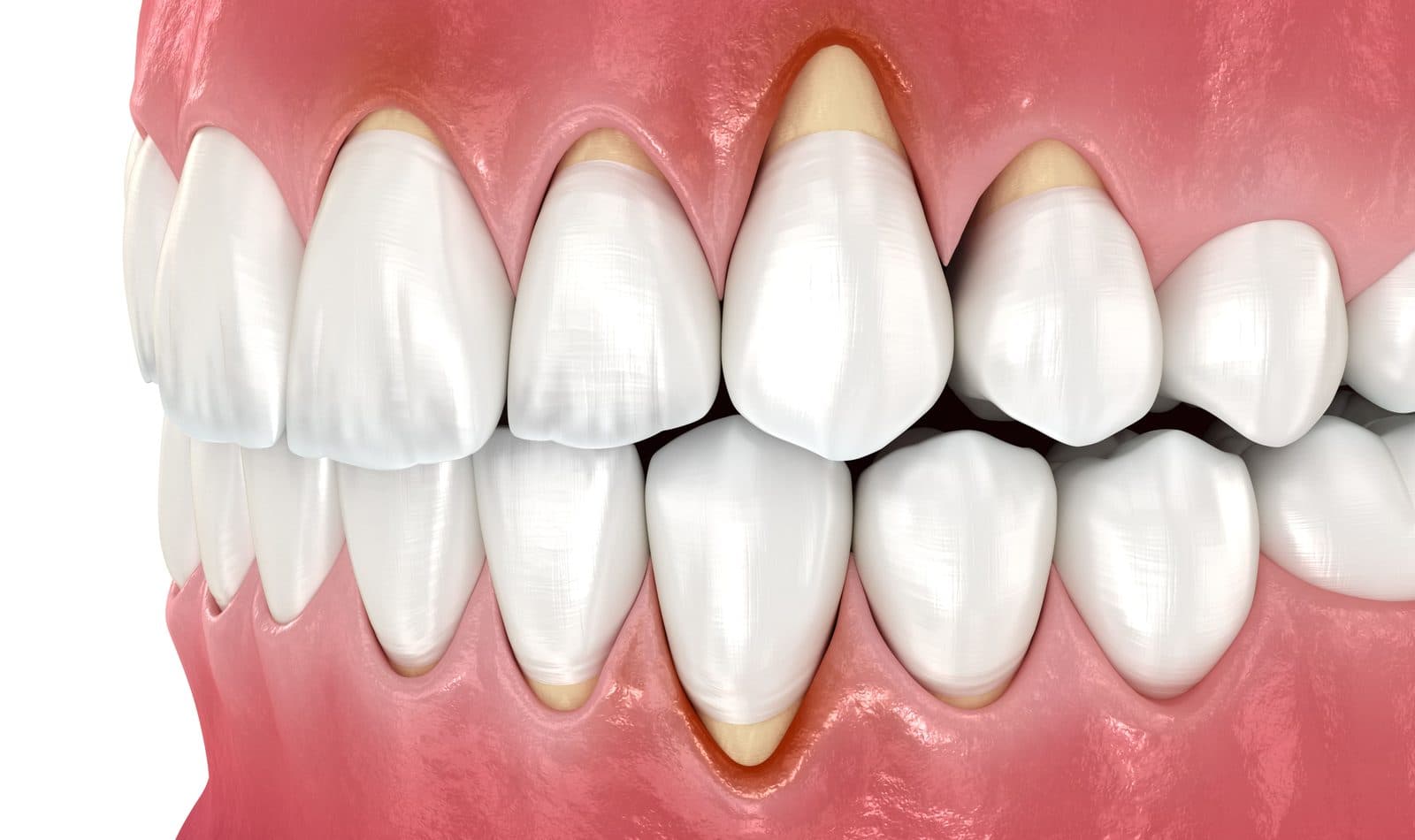
1. Gum recession leading to exposed tooth roots:
People with dental diseases or poor oral hygiene habits are prone to gum recession. When the gums begin to recede or detach, exposing the tooth roots, the teeth may appear longer. Exposed tooth roots are more sensitive, and the area becomes more susceptible to the accumulation of dental plaque. This can lead to tooth decay and gum inflammation. If not treated promptly, it may further deteriorate into periodontitis, damaging the surrounding bone structure and increasing the likelihood of root canal pain.
2. Cracks in Teeth
The occurrence of cracks in teeth is a common dental issue with various underlying causes, such as biting hard objects, external force impact, tooth decay, or nighttime teeth grinding habits. Even minor cracks in teeth can lead to tooth pain, and if not addressed promptly, it may result in pulp necrosis, causing inflammation around the root apex and more severe root canal pain.
3. Tooth Sensitivity
Tooth sensitivity often results from damage to enamel or exposure of dentin. Enamel acts as the first crucial line of defense for teeth, protecting the more fragile internal parts of the tooth. Once damaged, dentin is exposed, and nerve endings become susceptible. This can cause teeth to react sensitively to external stimuli like temperature changes, airflow, or friction. For example, consuming hot foods may lead to tooth sensitivity and pain.
Pulpitis or Root Inflammation?
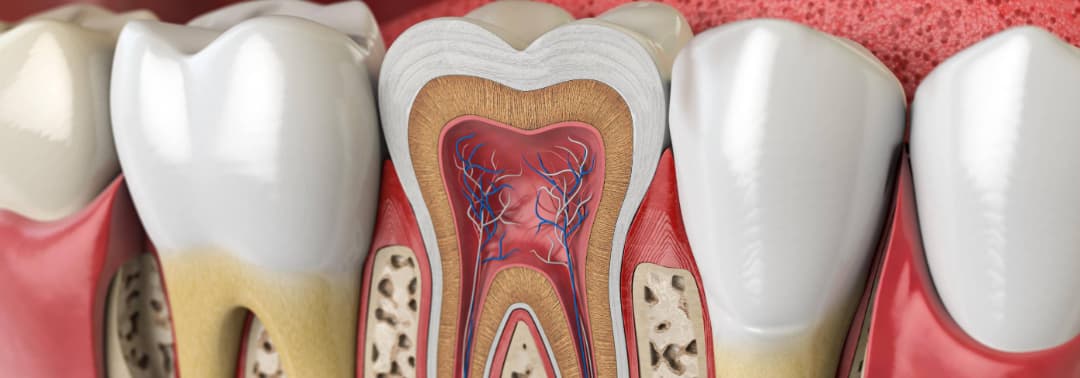
Pulpitis occurs when bacteria infect the dental pulp, leading to nerve inflammation. The tooth structure consists of four layers: enamel, dentin, pulp, and bone. When oral bacteria invade the blood vessels and nerves within the dental pulp, it can cause intense tooth pain. Pulpitis is often associated with deep tooth decay or other dental problems like periodontal disease. Improper treatment may affect the surrounding pulp and result in root inflammation, potentially inducing severe conditions such as cellulitis and septicemia.
Symptoms of Root Inflammation
- Intense and throbbing tooth pain
- Tooth sensitivity to temperature changes and pressure
- Difficulty sleeping due to tooth pain
- Loss of appetite due to dental discomfort
Treatment for Root Inflammation
Once a tooth becomes inflamed due to bacterial infection, various uncomfortable symptoms may arise, impacting daily life. Seeking prompt dental treatment is crucial for managing the consequences of root inflammation.

Root Canal Treatment/Endodontic Surgery
In cases of root inflammation, where bacteria have approached or invaded the nerve, leading to tooth inflammation, dentists often recommend root canal treatment. This procedure involves thorough treatment of the tooth's root canal, removing part or all of the infected or necrotic pulp tissue, and completely eliminating the infection within the pulp. This helps prevent bacteria from spreading further from the pulp to the surrounding periodontal tissues and alveolar bone.
Root canal treatment requires precision and expertise from the dentist. During the preoperative consultation, the dentist performs a detailed examination and diagnosis, gaining a comprehensive understanding of each patient's root condition. This allows them to develop an appropriate treatment plan, increasing the overall success rate of the surgery. Throughout the surgical process, the dentist must navigate numerous intricate procedures. Dentists with extensive clinical experience can efficiently complete complex steps, such as accurately removing infected tissue, addressing pathology in the root canal, and preventing re-infection of the root. This not only shortens the overall surgery duration but also significantly reduces the pain experienced during the treatment, ensuring that patients can undergo the procedure in a relatively comfortable state. Moreover, this approach helps guarantee the long-term durability of the treated tooth, minimizing the chances of future recurrence.
Considerations for Root Canal Treatment Surgery
After completing root canal treatment surgery, patients may experience increased sensitivity or lingering pain around the treated tooth. However, this is usually a temporary postoperative reaction that typically lasts for about three to five days before returning to normal. If bacteria persist in the surrounding root area after surgery, ongoing inflammation and pain may occur, necessitating further examination to ensure the complete elimination of bacteria.
Further Reading: Why Do Some People Still Experience Tooth Pain After Root Canal Treatment?
Root inflammation is usually treated with root canal treatment, and the earlier it is done the better the chance of keeping the natural tooth. If you have the symptoms above, see our root canal treatment service and book a dental examination.