
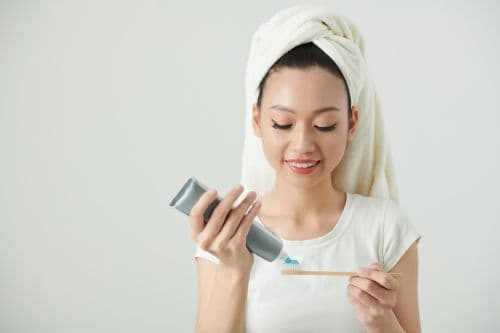
🛒 Dazzled by the Supermarket Shelves? Are You Only Choosing "Mint Flavor"?
Stepping into the toothpaste aisle, you're faced with dozens of options: whitening, sensitive, gum care, stain removal, charcoal... For many Hong Kong people, the criteria for choosing toothpaste are simple: grab whatever's on sale, or stick with a familiar brand.
But have you ever considered that the chronic tooth sensitivity you suffer from might be caused by your "whitening toothpaste"? Or that despite brushing daily, you still get cavities because your paste's "fluoride content" simply isn't up to standard?
As your oral health consultant, Home Dental is here to teach you how to choose toothpaste like a dentist. Let's ignore the marketing slogans and look directly at the ingredients. How do you choose wisely and avoid wasting money? Let's find out!
🔍 The Basic Standard: What is the Passing Grade for Fluoride Content?
No matter how beautiful the toothpaste packaging is, if it doesn't prevent cavities, it's useless.
The Dentist's Gold Standard: 1,000 ppm - 1,450 ppm
- Adults/Adolescents: You must choose a toothpaste with a fluoride concentration between 1,000 and 1,450 ppm. Below this level, the effectiveness in preventing cavities is significantly reduced.
- Children (Under 6): It is recommended to use a lower fluoride content (around 500 - 1,000 ppm) or a rice-grain size amount of adult paste to prevent swallowing excessive amounts, which can cause fluorosis (fluoride stains).
⚠️ Dentist's Warning: Beware of the "Fluoride-Free" Trap
Recently, "natural" and "herbal" toothpastes promoting "Fluoride-Free" content have become popular. Unless you have a genuine allergy to fluoride (extremely rare), using a fluoride-free paste for general cavity prevention is akin to "brushing with just water" and drastically increases your risk of decay.
🦷 The Truth About Whitening Toothpaste: Are You Whitening or Wearing Down?
This is the area where most people make a mistake. Many people obsessively buy whitening toothpaste to achieve brighter teeth.
The Principle Revealed:
90% of whitening toothpastes on the market do not "bleach" your teeth; their method is "physical abrasion." They contain rougher abrasive particles (such as hydrated silica or calcium carbonate) that act like "sandpaper" to scrub away surface stains from tea or coffee.
Here, we introduce a professional concept: RDA (Relative Dentin Abrasivity)
- RDA < 70: Low abrasion (Safe, suitable for sensitive teeth).
- RDA 100 - 150: High abrasion (Powerful stain removal, but harsh on teeth).
- RDA > 250: Not recommended by dentists for daily use.
❌ The Risk: If you naturally have thin enamel or sensitive teeth, long-term use of high-RDA whitening toothpaste can wear away the protective outer layer, making your teeth extremely sensitive and potentially leading to wedge-shaped defects at the gum line.
💡 Recommendation: If you want professional whitening, seek laser whitening (blue light) or veneers from a dentist. Do not rely long-term on highly abrasive toothpastes.
📊 Toothpaste Buying Guide: Match Ingredients to Your Needs
Don't just look at the big words on the front; turn it over and look at the ingredient list:
|
Your Need |
Key Ingredients |
Mechanism of Action |
Dentist's Advice |
|
Cavity Prevention |
Sodium Fluoride / Sodium Monofluorophosphate |
Promotes enamel remineralization, repairs early decay. |
This is the absolute basic requirement—everyone needs it! |
|
Sensitive Teeth |
Potassium Nitrate / Arginine / Novamin |
Seals dentinal tubules or desensitizes nerve pathways. |
Must be used continuously for 2-4 weeks to be effective; don't use it only when pain strikes. |
|
Gum Inflammation/Bleeding |
Zinc Citrate / Stannous Fluoride / Triclosan (less common) |
Inhibits plaque growth, reduces gum redness and swelling. |
Only an aid! Calculus (tartar) cannot be brushed off by toothpaste; professional scaling is essential. |
|
Stain Removal/Whitening |
Hydrated Silica / Sodium Hexametaphosphate / Hydrogen Peroxide (low concentration) |
Physical abrasion or chemical decomposition of pigments. |
Use with caution if you have sensitive teeth! Limit use to 1-2 times per week. |
🫧 Myth Debunked: More Foam = Cleaner Teeth?
The Myth: You need a mouth full of foam to feel like your teeth are clean.
The Reality: Foam comes from foaming agents like SLS (Sodium Lauryl Sulfate). It has no direct correlation with cleaning ability.
On the contrary, excessive foaming agents can:
- Irritate Oral Mucosa: For people prone to canker sores (oral ulcers), SLS is an irritant and can hinder healing.
- Create a False Sense of Cleanliness: A mouth full of foam makes you think you've brushed long enough and are clean, leading you to rinse too quickly, which shortens the actual brushing time.
💡 Trend: More dentists now recommend Low Foaming toothpaste, especially for patients with dry mouth or oral sensitivities.
🏁 Conclusion: Toothpaste is "Maintenance," Not a "Repair Tool"
Please remember: The primary function of toothpaste is prevention and cleaning.
- If you already have a cavity, no toothpaste can fill it; you must get a filling.
- If you have dental calculus, no toothpaste can scrub it off; you must get a professional scaling.
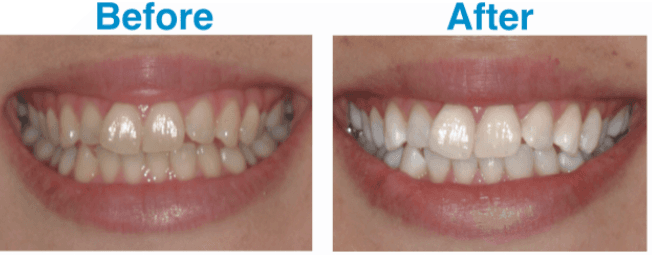
- If you want whiter teeth, whitening toothpaste can only remove surface stains; it cannot change your natural tooth color; you need laser whitening.
Choosing the right toothpaste is the first step in caring for your teeth. But if your dental issues persist, don't believe the myths on the supermarket shelves. Book a dental appointment for a thorough check-up and treatment—this is the most cost-effective approach.
Whitening toothpaste mainly lifts surface stains — to change the tooth's own shade, see our teeth whitening service.
![[Blue Light Teeth Whitening in Hong Kong] A Dental Centre’s Full Guide to Procedure, Effectiveness & Safety Tips](/_next/image?url=https%3A%2F%2Fuivazhssaweitolfbapb.supabase.co%2Fstorage%2Fv1%2Fobject%2Fpublic%2Fmedia%2F2020%2F02%2F15829583016149.jpg&w=3840&q=75&dpl=dpl_2rk7DdbCpT3xZF4aqp76ujYbqDe6)