We often think that oral problems are rooted in the teeth, but it turns out that many conditions are related to the nearby sinuses. This time we will briefly discuss the most common sinus treatment cases.
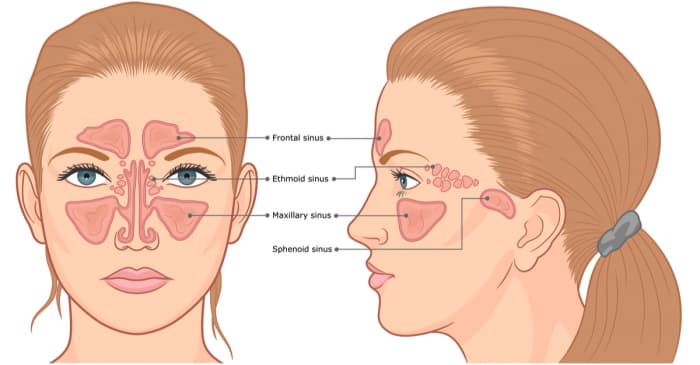
Where are your sinuses?
The sinuses are actually next to our noses (one on each side), and inside are a space filled with air and covered with mucous membranes.
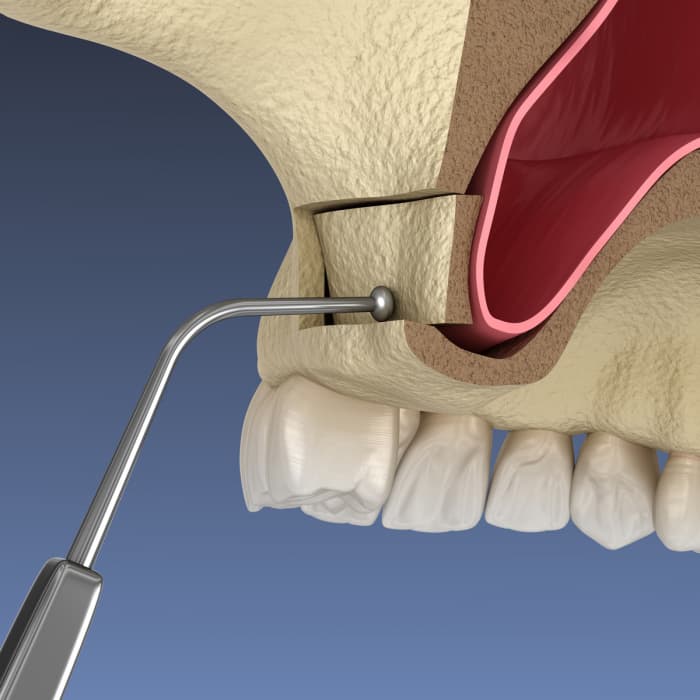
The mucosa at the bottom of the sinuses is normally very tough and is able to self-heal very well. But when the sinus mucosa becomes infected, it becomes weak and can even break easily. Since the size of the sinus space varies from person to person, in many cases the feet of the upper molars are actually directly connected to the sinus mucosa and are only protected by thin bone. Therefore, if the root of the tooth is infected and the inflammation continues, the bone will also shrink due to the infection. At that time, the bacteria will have the opportunity to directly infect the nasal mucosa and cause sinusitis. In severe cases, it may cause facial swelling, fever and pus.
Mistaken belief?
On the contrary, some patients mistakenly think that they have a toothache and go to the dentist, but after the dentist's examination, it often turns out that there is no problem with the tooth, but the patient has severe sinusitis, and sometimes the entire sinus may be filled with inflammatory fluid. Since it is connected with the position of the teeth and feet, it will cause discomfort such as toothache and headache to the patient.
If it turns out that there is a problem with the tooth and it becomes irreparable, we need to remove it. But if the X-ray shows that the patient's upper nasal cavity is close to the posterior teeth, then we need to carefully consider the risk of oral sinus communication. To put it simply, sometimes after tooth extraction, the lack of dental bone or thin bone due to congenital or acquired long-term bacterial infection may lead to the direct connection of the tooth wound and the sinus, creating a channel between the oral cavity and the nasal cavity.
Minor passage channel can be closed on their own as the wound heals, but patients should follow their doctor's instructions to avoid smoking, gargling, or sneezing vigorously. In severe cases, surgery may be required to close the channel. If you suffer from oral and sinus communication, the following symptoms will generally appear: more than a week after tooth extraction, fluid will flow out of the nose involuntarily when drinking water, and even slowly start to feel an odor in the nasal cavity and mouth. If you have chronic sinusitis, you are more likely to have thick discharge from the extraction wound.
More complicated implant procedure due to insufficient bone height
In addition, some patients wish to have an implant restoration procedure on the upper posterior teeth, but have to undergo additional surgery due to insufficient bone height resulting from nasal position problems. We can imagine that the space inside the nasal cavity is like a cave. If we want to drive enough depth to consolidate the dental stump or implant, but we find that there is a big one inside and the foundation is not stable, then we have to fill the hole first and wait for the concrete to solidify before we can start the piling action.
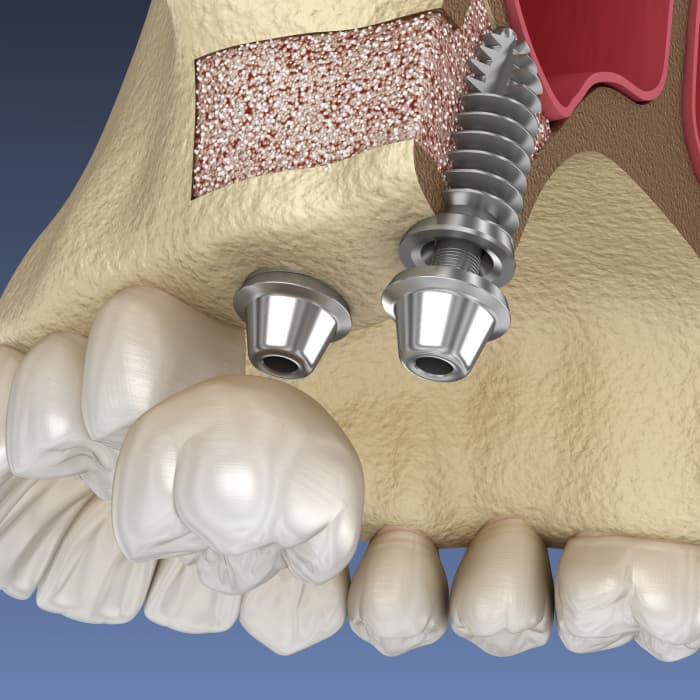
Therefore, these cases involve more time, procedures and costs than simple and straightforward dental implants. But fortunately, compared with the risk of nerve damage caused by implanting teeth in the lower jaw, the risk of this type of surgery is not high, because the sinuses have a strong self-healing ability under normal circumstances. In many cases, if the bone still has a certain height, the dentist may also recommend that the patient consider a less invasive sinus lift, which is to place implants without causing additional wounds and reduce the risk of surgery. If in doubt, seek the advice of your family dentist.
Extracting or placing implants in back teeth close to the sinus carries risks such as an oro-antral communication, and is usually handled by oral and maxillofacial surgery. If your case involves the sinus, see our oral and maxillofacial surgery service and let a specialist assess it.