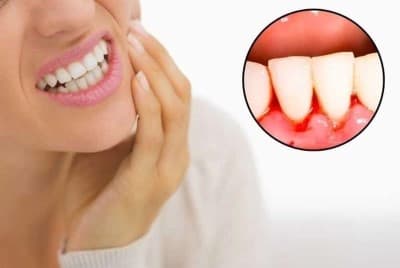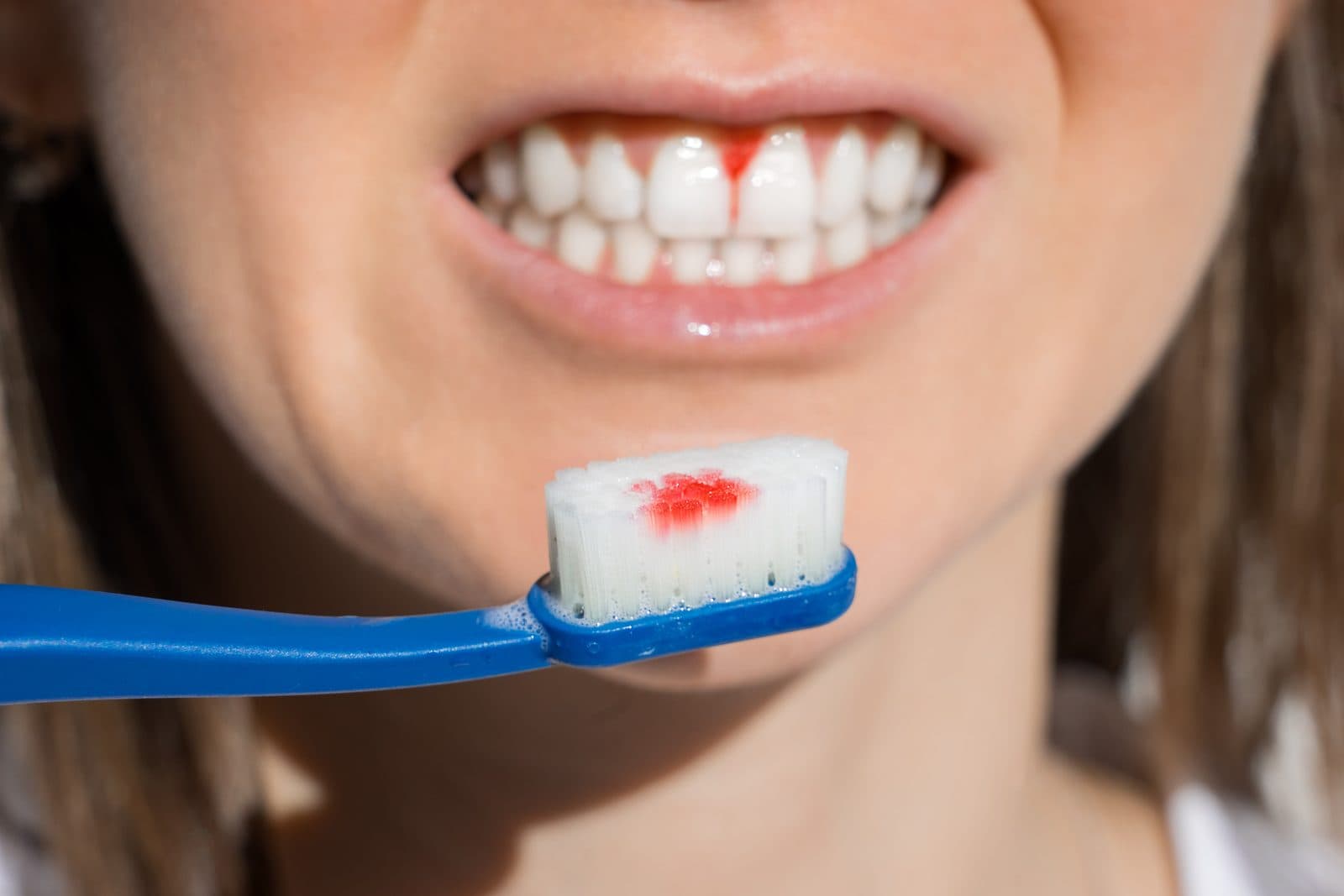
Why do gums hurt?
Is gum pain always linked to periodontal disease? Gum pain is typically the result of gum inflammation, which is a symptom of gum tissue infection caused by dental plaque releasing toxins that can harm gum health. If the issue isn't addressed promptly, it may develop into periodontal disease. However, there are various underlying causes of gum pain, including improper brushing techniques, gum overgrowth, or the presence of other dental issues. This article will delve into seven common reasons for gum pain, offer methods for relieving toothaches, and address common misconceptions about gum swelling and pain.
A Detailed Explanation of 7 Causes of Gum Pain
1. Poor Oral Hygiene
2. Improper Brushing Techniques
3. Improper Bite or Teeth Grinding Habits
4. Wisdom Tooth Eruption
5. Gum Overgrowth Issues
6. Oral Ulcers
7. Pre-existing Dental Conditions
1. Poor Oral Hygiene
Poor oral hygiene is one of the primary factors contributing to gum pain. People prone to gum inflammation often lack a strong awareness of good oral hygiene practices. For instance, not brushing their teeth twice daily, teeth not thoroughly cleaned, lack of regular use of dental floss to remove tartar, and improper tooth cleaning techniques can lead to the buildup of plaque and tartar between teeth, ultimately causing swollen and painful gums.
2. Improper Brushing Techniques
In fact, aside from poor oral hygiene awareness, using a toothbrush or dental floss incorrectly can also lead to gum pain or gum bleeding. This includes brushing too forcefully, using a toothbrush with hard bristles, and applying excessive force when using dental floss. All of these factors can lead to gum bleeding, swelling, and gum damage. In severe cases, it can even result in gum recession. Therefore, improper brushing techniques can also potentially cause gum pain.
3. Improper Bite or Teeth Grinding Habits
Improper bite alignment is another factor contributing to gum pain. Whether it's due to misaligned teeth, significant gaps between teeth, or poorly fitting dentures, all of these factors can lead to uneven pressure during biting, resulting in gum sensitivity over time due to the exerted pressure. Additionally, individuals living in high-stress urban environments may develop the habit of teeth grinding during sleep, which can cause severe damage to gum tissue and serve as another cause of gum pain.

4. Wisdom Tooth Eruption
The pain caused by erupting wisdom teeth often leaves people in distress. Many individuals experience wisdom teeth impaction due to inadequate space for proper growth, leading to misaligned angles of eruption. When wisdom teeth exert pressure on the teeth in front during their eruption process, it can result in intense pain. Furthermore, because wisdom teeth are located further back in the mouth, they are more challenging to clean compared to other teeth. Improper cleaning can lead to the accumulation of food debris, promoting bacterial growth, and potentially causing cavities in wisdom teeth, which can also trigger gum pain.
5. Gum Overgrowth Issues
Individuals with gum overgrowth issues may experience excessive gum growth due to factors such as genetic inheritance or medication effects. When the gums thicken excessively, covering the tooth surfaces, it not only affects the appearance of the oral cavity but also makes it difficult to clean the plaque trapped in the gum pockets. Over time, this plaque buildup can lead to gum inflammation, resulting in intense gum pain.
6. Oral Ulcers
Oral ulcers can also lead to gum inflammation and pain. Individuals who typically experience oral ulcer problems are often infected by the herpes virus or have consumed irritating foods or medications. Once the salivary glands in the mouth become infected, it can subsequently lead to gum inflammation. Symptoms of oral ulcers, such as redness, swelling, and pain, can manifest in the oral mucosa, gums, or tongue.
7. Pre-existing Dental Conditions
Most individuals experiencing gum pain commonly have various dental conditions, including cavities, gingivitis, dental abscesses, and periodontal disease. or instance, when cavities reach the dental pulp, it can easily lead to pulpitis, causing discomfort in the surrounding gum tissues. If not addressed promptly, it may progress into periodontal disease.
What to Do When You Suddenly Have Gum Pain? 4 Effective Pain Relief Methods
What should you do if you suddenly experience gum pain? If you can't seek immediate dental assistance, you'll need temporary relief for instant gum pain. The following four methods can help you effectively alleviate the pain temporarily:
| Gum Pain Relief Methods | Specific Practices |
| Ice Application to the Area of Sudden Gum Pain |
|
| Saltwater Rinse |
|
| Taking Gum Pain Anti-Inflammatory Medication |
|
| Thoroughly Cleaning the Oral Cavity |
|
Methods to Solve Gum Swelling and Pain
In the realm of gum pain solutions, there are countless options available, but which ones are truly effective? Here are three essential methods to help you address both long-term and sudden gum pain issues quickly!
Improving Oral Care Habits
Many people have non-standard brushing techniques, and quite a few patients rarely use oral care products other than toothpaste and a toothbrush. In cases of gum pain, patients need to pay extra attention to their oral hygiene methods. Here are a few tips to help you thoroughly clean your teeth and expedite the recovery process:
- When brushing your teeth in the morning and evening, pay attention to the angle of the toothbrush. An angle of 45 degrees where the bristles gently touch the gums is optimal. Also, make sure to brush all three surfaces of your teeth: the front, back, and biting surfaces.
- In addition to a toothbrush and toothpaste, you can use auxiliary oral care tools such as interdental brushes, dental floss, mouthwash, and more to enhance oral hygiene and promote better oral disinfection and cleanliness.
Regular Dental Check-ups and Cleanings
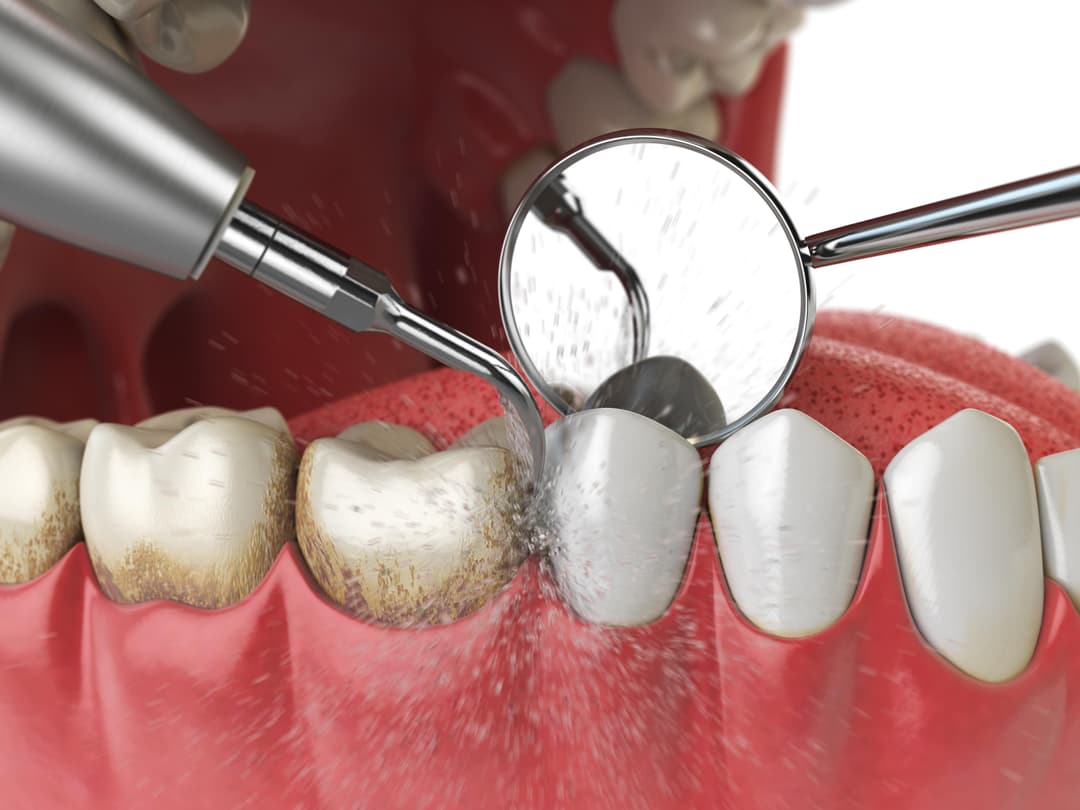
In addition to daily oral care, regular dental check-ups and cleanings are equally essential. Gum issues may not always be immediately noticeable to the patient, and they often become more challenging to address once pain sets in. Regular check-ups allow dental professionals to identify problems in a timely manner and resolve them before they worsen, sparing you future concerns. During a dental cleaning, the dentist will remove accumulated plaque and tartar, preventing gum problems at their root and addressing gum pain.
Quit Unhealthy Daily Habits like Smoking and Drinking
Smokers may experience gum recession prematurely, and they are more likely to encounter issues like frequent gum pain and sudden gum bleeding. If you already have gum inflammation problems, smoking can also slow down the recovery process. On the other hand, alcohol is not friendly to the gums. Drinking during a period of gum swelling can increase the risk of bacterial infection. When gums are already inflamed due to gum inflammation, they tend to become more congested and red after alcohol consumption. Therefore, quitting the habits of smoking and drinking is the best approach to address gum pain.
Everyone's gum condition is different, so if you're experiencing severe gum pain, it's advisable to seek professional dental assistance as early as possible. Under the personalized guidance provided by a dentist, you can undergo treatment and adjust your daily habits to resolve gum pain issues sooner.
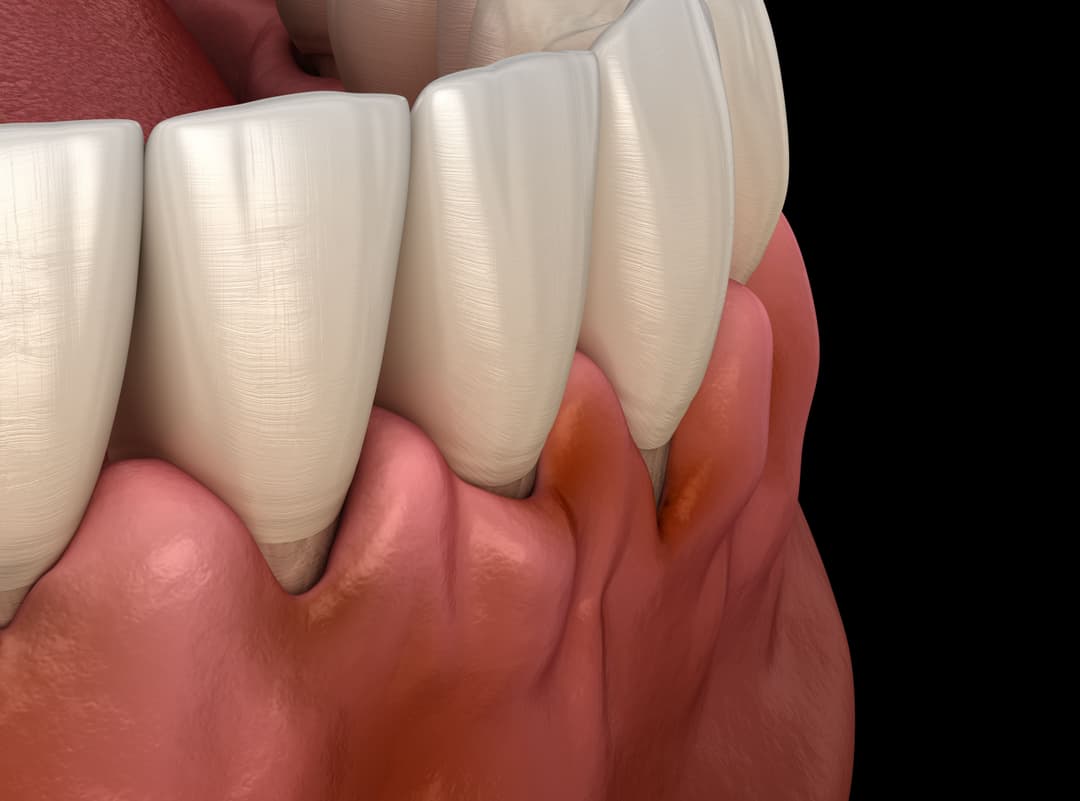
Patients with periodontal disease need to undergo 'deep root scaling and planing' to remove the bacteria and calculus that accumulate within. This method of periodontal disease treatment heavily relies on the experience and skills of the dentist. Experienced dentists can ensure, through tactile feedback, that the hidden calculus beneath the gumline is properly addressed, removed from periodontal pockets, and maintain treatment stability during follow-up visits. This approach offers better control over the progression of periodontal disease and enables dentists to explain oral conditions to patients. They can provide personalized recommendations and guidance based on individual circumstances, helping patients pay attention to relevant matters in their daily lives and improving the success rate of treatment.