Do you think gum inflammation is solely caused by "heatiness"? Let's clear up this misconception! In reality, gum inflammation is a complex issue with multiple contributing factors. This article will delve into the true causes of gum inflammation, associated symptoms, treatment methods, and preventive measures, providing you with a deeper and more comprehensive understanding of this topic.
What are the underlying causes of gum inflammation? How does it relate to periodontal disease and tooth decay?
Gum inflammation often stems from bacterial infections within the oral cavity. These microorganisms trigger inflammation and discomfort in the gum tissues. Typically, these bacteria primarily reside in dental plaque, adhering to the surfaces of teeth and the edges of the gums. If we don't maintain regular oral hygiene practices, these bacteria release harmful chemicals that irritate the gum tissues, leading to gum inflammation.
However, the causes of gum inflammation go beyond this. Poor oral hygiene practices are a significant contributing factor. Skipping regular brushing, not using dental floss, or neglecting routine dental cleanings can result in the continuous buildup of dental plaque, increasing the risk of gum inflammation.
Furthermore, other factors such as diabetes, hormonal changes (such as during pregnancy or menstrual cycles), side effects of certain medications, and smoking can also elevate the risk of infection, making the gums more susceptible to inflammation.
In addition, dental health issues like periodontal disease and tooth decay can exacerbate gum inflammation. Periodontal disease is a chronic infection affecting the gums and the structures supporting the teeth, potentially leading to gum bleeding, swelling, and pain, which in turn can trigger gum inflammation. Similarly, tooth decay can irritate the gums, making them more prone to infection and inflammation.
What are the symptoms of gum inflammation?
1. Swollen and Red Gums
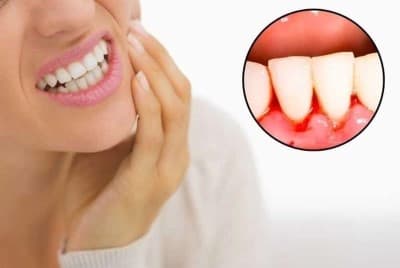
When gum inflammation occurs, the affected gum area may become swollen and red. This is due to the inflammatory response causing blood vessels to dilate, increasing blood flow, which results in the swelling and redness of the gum tissue.
2. Gum Bleeding
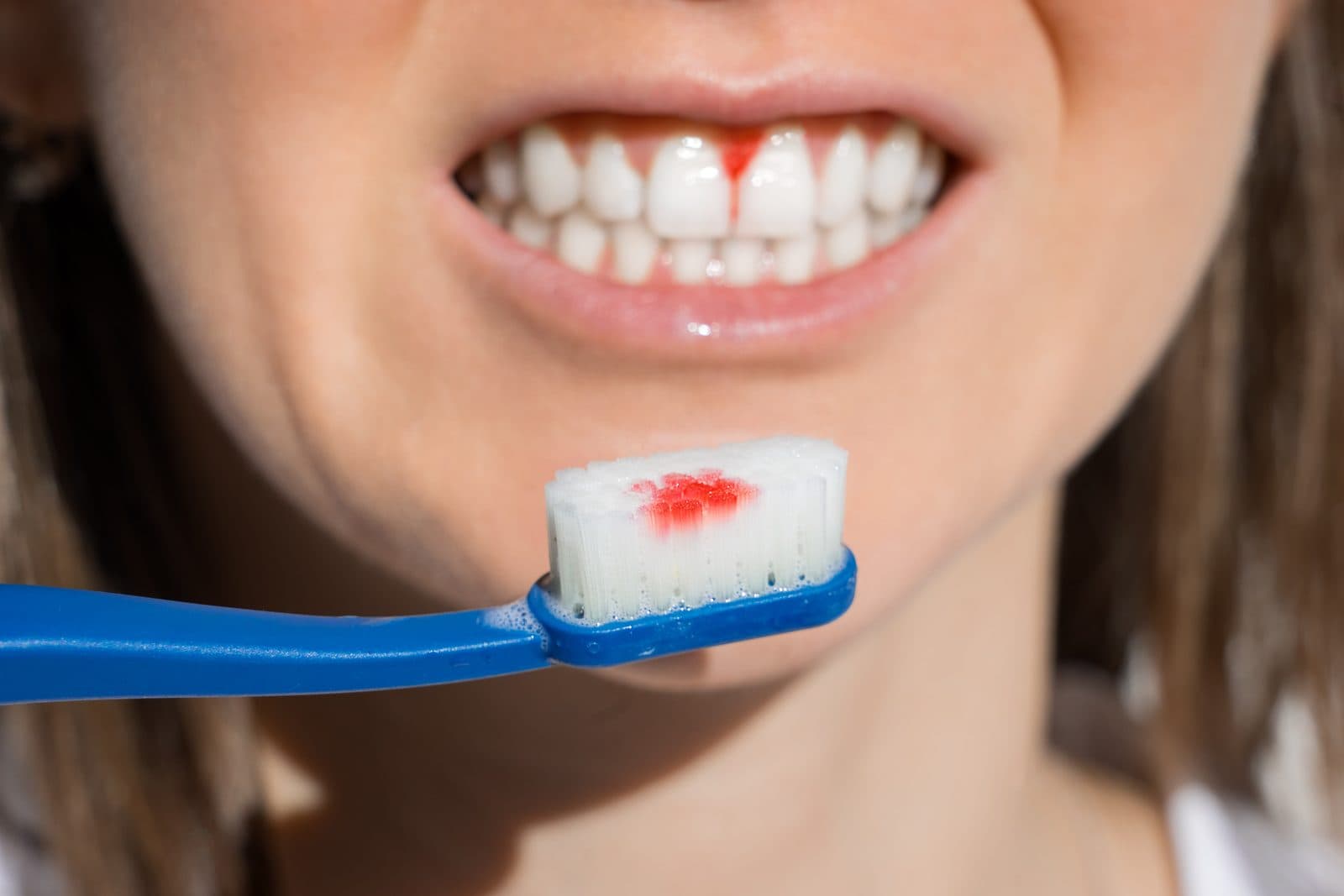
Gum inflammation often accompanies gum bleeding, especially when brushing, using dental floss, or during eating. This gum bleeding is a common manifestation of the irritation caused by bacterial infection affecting the gum tissue.
3. Gum Sensitivity or Pain
The affected gums may become sensitive or painful, even causing discomfort when eating or brushing. Inflammation makes the gum tissue more fragile, exacerbating this sensitivity.
4. Bad Breath
Gum inflammation can lead to an overgrowth of oral bacteria, resulting in unpleasant breath. When bacteria break down food residue and cellular debris, they release volatile compounds that can cause bad breath.
5. Gum Recession
Prolonged gum inflammation can lead to gradual gum recession, exposing parts of the tooth's root. This condition can increase tooth sensitivity and the risk of tooth decay and other dental problems.
6. Discoloration of Gums
Infected gums may exhibit abnormal color changes, possibly as a result of blood vessel dilation and inflammation.
7. Gum Ulcers
In some cases, gum inflammation may lead to ulcers or damage on the surface of the gums, which can cause pain and discomfort.
How is gum inflammation treated?
When dealing with gum inflammation, choosing the right treatment method will determine the future of your oral health and comfort. Each person's situation is unique, so treatment methods may vary from one individual to another. Whether it's mild discomfort or severe pain, we all deserve to explore solutions, ranging from conservative self-care methods to professional medical treatments.
1. Improving Oral Hygiene Practices
Developing good oral hygiene practices, including brushing in the morning and at night, using dental floss every night, and seeking regular professional cleanings, can help reduce the accumulation of dental plaque and improve gum inflammation.
2. Professional Dental Cleaning
Regular professional dental cleanings can thoroughly remove dental plaque, tartar, and buildup in hard-to-reach areas. This effectively reduces the risk of infection, further improving gum inflammation, promoting oral health, and lowering the chances of developing oral issues like periodontal diseases.

3. Medication Treatment
Utilizing antibiotics or anti-inflammatory drugs can effectively alleviate inflammation and discomfort. Antibiotics are instrumental in controlling infections, while anti-inflammatory drugs reduce pain and swelling. It is crucial to exercise caution when using antibiotics by strictly adhering to a doctor's prescription to prevent overuse and the development of drug resistance. Medication-based treatment can aid in gum recovery, but it should be administered under professional guidance to ensure safety and efficacy.
4. Gum Correction Treatment
In cases where gum recession is observed, often stemming from gum inflammation, gum correction treatment is designed to restore the affected gum tissue to its normal position and shape. Treatment approaches may encompass gum graft surgery, a procedure involving the transplantation of healthy gum tissue to the affected area to reinstate proper gum structure. In certain instances, gum recession may result in improper tooth alignment, impacting oral hygiene and aesthetics. The gradual adjustment of tooth position through the use of gum braces can rectify misalignment while enhancing gum health.
5. Surgical Procedures
For severe instances of gum inflammation, surgical interventions may be required to rectify damaged tissue. This may entail the removal of affected tissue, followed by suturing to foster tissue healing and restoration. In cases where tooth roots are exposed, implant surgery might be necessary, involving the insertion of artificial implants into tooth roots to provide support for dental crowns.
How to Prevent Gum Inflammation?
|
Preventive Measures for Gum Inflammation |
Specific Practices |
|
Good Oral Hygiene Habits |
|
|
Balanced Diet |
|
|
Regular Dental Check-Ups and Professional Cleanings |
|
|
Quit Smoking |
|
|
Manage Diabetes |
|
|
Maintain a Healthy Lifestyle |
|
Preventing gum inflammation requires consistent effort, but these methods will help maintain oral health and reduce the risk of gum inflammation. If you experience symptoms of gum inflammation, please seek professional advice and treatment from a dentist promptly.