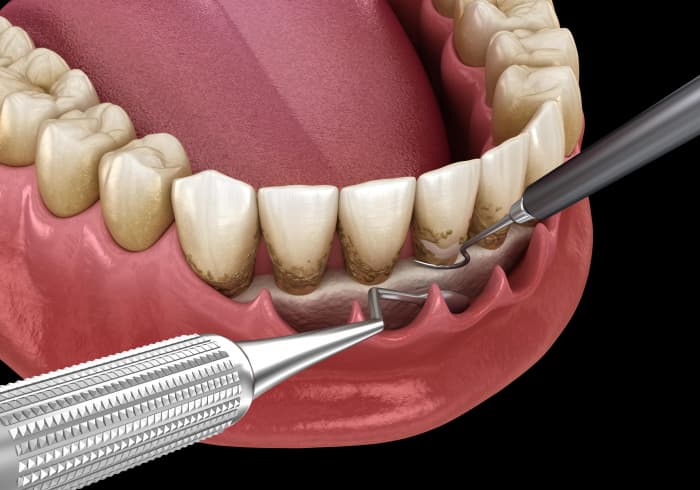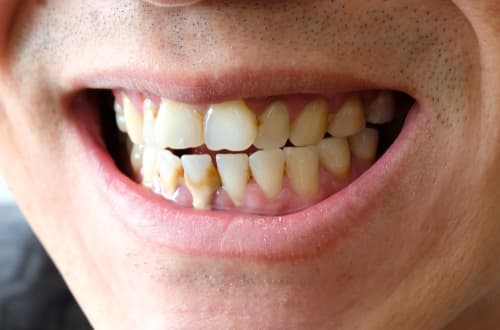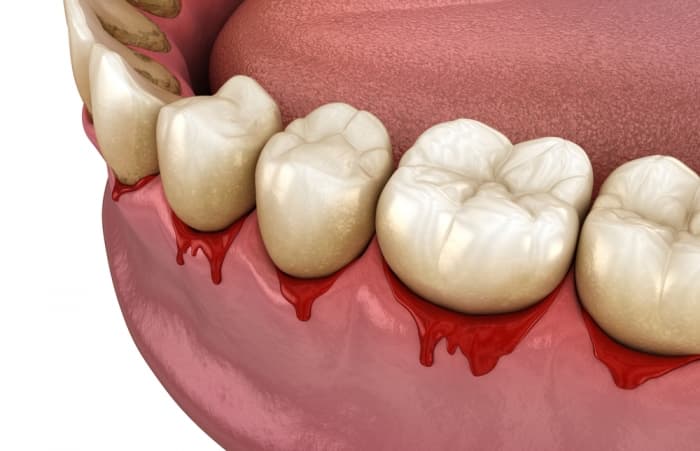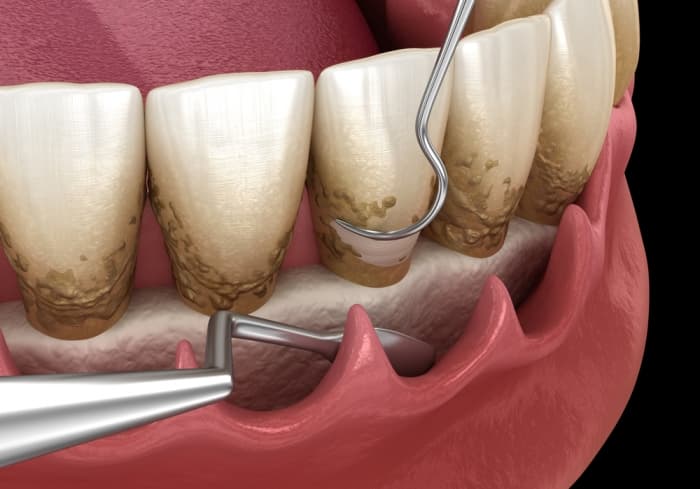
The general “dental cleaning” or “dental scaling” usually removes calculus on the surface of the teeth, which cannot be used to treat periodontal disease. The accumulated bacteria and calculus under the gum and inside the periodontal pockets need to be removed by "deep root scaling". The dentist will inject a local anesthetic into the patient’s mouth to ensure that the patient undergoes root debridement in a painless condition. Different from scaling, longer instruments are used to reach the bottom of the inflamed gums to thoroughly clean the teeth, including dental plaque, calculus and contaminated dentine. This is the most common treatment for periodontal disease. It is non-surgical, not a traumatic treatment.
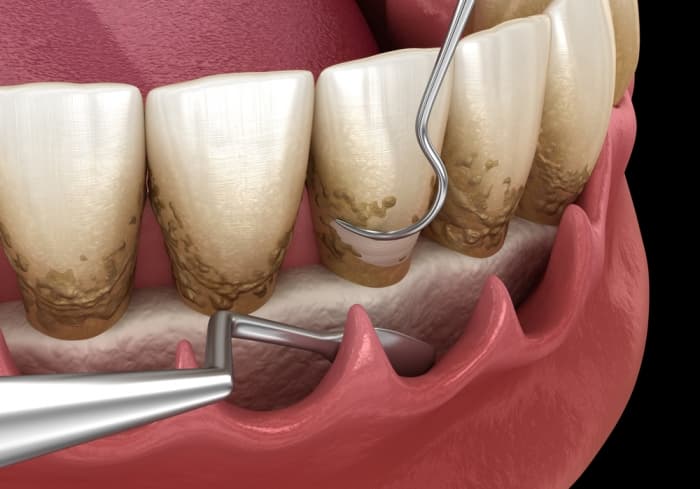
After the root debridement is completed, the dentist or hygienist will teach the patient effective methods to maintain good oral hygiene. General periodontal disease treatment may take 2-3 months in order to observe the improvement of the gums after the inflammatory substances are removed.
If the tooth is treated and the periodontal condition is stable, but the tooth is mobile due to the previous bone destruction and affecting function, splinting of teeth may be suggested. Dentists use various methods to connect loose teeth with neighboring teeth to disperse the force from a single tooth to multiple teeth, thereby reducing the mobility of the teeth.
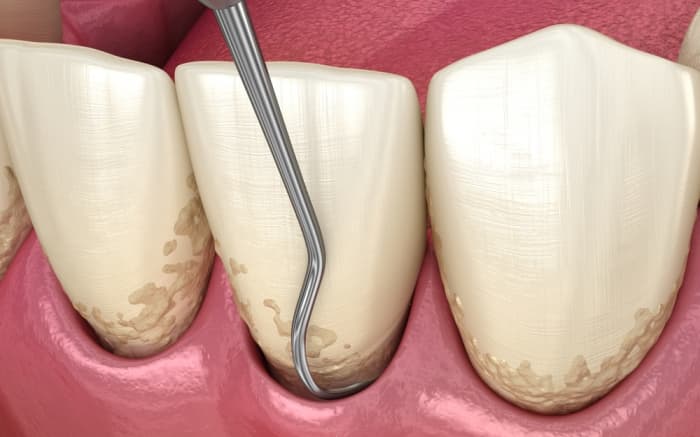
After this stage of treatment, most patients with periodontal disease have satisfactory treatment results. After that, they only need to cooperate with regular check-ups and dental scaling for maintaining their condition stable. However, if it is a patient with more serious periodontal disease, or the recovery of individual teeth after root debridement is not satisfactory, periodontal surgery may be considered for treatment.