💥 Is Your Sore Throat Just a Cold? The Vicious Cycle of Tonsillitis, Tonsil Stones, and Bad Breath
Your throat is red and swollen, and you think it’s just a common cold? Beware! This might be a "false alarm" issued by your body.
With the recent change in weather, many patients come to the clinic and ask: "Doctor, my throat is so painful, it hurts to swallow. Is this tonsillitis?" When most people in Hong Kong feel a sore throat, their first thought is "being heat-y" (internal heat), leading them to consume large amounts of herbal tea (herbal tea) or throat lozenges.
But have you considered that the culprit behind your persistent sore throat might not be your tonsils at all, but your wisdom tooth? Or perhaps, the chronic bad breath you can't shake off is due to a cluster of "stones" hidden inside your tonsils?
As your partner in oral health, today we are stepping beyond teeth. We will use professional dental detective perspective to help you solve this perplexing oral mystery that even doctors can sometimes misdiagnose.

🔍 What is Tonsillitis and Why is it Easily Confused with Tooth Pain?
The tonsils are located on either side of the back of the throat and act as the body's "gatekeepers" against bacteria and viruses. When they lose the battle, they become red, swollen, and sometimes coated with pus—this is Tonsillitis (tonsillitis).
Common symptoms include:
- Severe pain upon swallowing (feels like being cut by a knife).
- Red and swollen tonsils, sometimes with yellow or white spots of pus.
- Swollen lymph nodes in the jaw/neck area and fever.
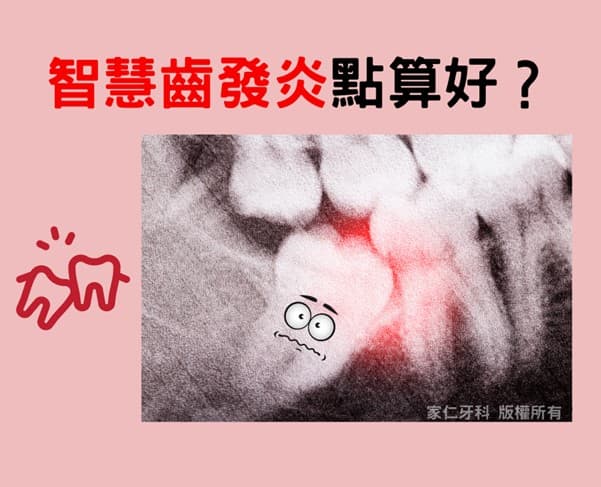
🛑 Crucial Point: The Differential Diagnosis: Many patients end up in the emergency room, only to discover the real cause is Pericoronitis (pericoronitis)! The location of an impacted lower wisdom tooth is right next to the tonsil. When the gums around the wisdom tooth become inflamed and swollen, the pain radiates directly to the throat and ear, mimicking tonsillitis by 90%.
📊 How to Distinguish: Is It Tonsillitis or a Wisdom Tooth Problem?
To avoid "treating the wrong illness," we've compiled this comparison table.
| Feature | Tonsillitis (tonsillitis) | Wisdom Tooth Pain (pericoronitis) |
| Pain Location | Both sides or center of the throat, worst when swallowing. | Usually concentrated on one side at the very back gum, radiating to the ear. |
| Mouth Opening | Easy to open the mouth; the main pain is in the throat. | Difficulty opening the mouth (Trismus); gum tissue is swollen and obstructing movement. |
| Visual Check | Redness or pus spots at the back of the throat. | The gum around the last tooth is red, swollen, and may ooze pus. |
| Breath Odor | Sour smell (due to bacterial infection). | Putrid/Metallic smell (due to food debris fermentation). |
| Solution | Saltwater gargle, antibiotics, ENT specialist consultation. | Dental irrigation, wisdom tooth extraction. |
💡 Professional Advice: If the pain is concentrated on one side, and you have difficulty opening your mouth wide, please prioritize seeing a dentist for an X-ray check of your wisdom tooth, rather than just relying on throat lozenges!
🤢 Coughing Up Smelly "Rice Grains"? Uncovering the Cause of Tonsil Stones
Have you ever felt like something was constantly "stuck" in your throat, or suddenly coughed up a small, soft, yellowish-white particle that emitted an extremely foul odor? These are Tonsil Stones (tonsil stones).
Why do they form? The tonsil surface has many uneven folds and pockets called "crypts." When oral hygiene is poor, the following three things accumulate in these pits:
- Food debris
- Shedding oral mucosal cells
- Dental plaque and bacteria
Over time, these calcify and harden, becoming the smelly stones.
📍 What is the Connection to Dentistry? (Key Point!) The connection is huge! Poor oral hygiene is the number one driver of tonsil stones. If you have periodontal disease or heavy buildup of dental calculus (tartar), the bacterial load in your mouth is extremely high. These bacteria flow with your saliva to the tonsils, where they "take root" in the crypts. Simply put: If your teeth are not cleaned properly, your throat issues will be hard to resolve permanently.
🚑 How to Treat Tonsillitis/Tonsil Stones?
1. Home Care (Symptom Relief)
- Warm Saltwater Gargle: 3-4 times daily helps kill bacteria and flush out small debris from the crypts.
- Drink Plenty of Water: Keeps the mouth moist and reduces bacterial growth.
2. Professional Dental Treatment (Targeting the Source)
This is why you need to see a dentist:
- 3D Cone-Beam Computed Tomography (CBCT): Certain Hong Kong clinics are equipped with advanced technology to clearly image whether a wisdom tooth is causing nerve compression or if the soft tissue is inflamed. Accurate diagnosis is the first step to effective treatment.
- Deep Scaling and Periodontal Treatment: Thoroughly remove dental calculus and plaque from the mouth, cutting off the "raw material supply" for tonsil stones.
- Treatment of Impacted Wisdom Teeth: If Pericoronitis is confirmed, the pain will immediately disappear, and the "sore throat" will never recur after the wisdom tooth is extracted.
🏁 Conclusion: Oral Health is Holistic; Don't Only Treat the Symptoms
While tonsillitis is painful, it is often your body's way of telling you: "It's time to pay attention to your oral hygiene, or get your wisdom teeth checked!"
Whether you want to solve the embarrassment of bad breath or find the true cause of your sore throat, accurate diagnostic imaging is always the most crucial first step. Don't guess; let a professional dental team guide you. Choose a clinic with transparent pricing and advanced equipment to solve the problem at its root.
If the throat discomfort actually comes from an inflamed wisdom tooth, the treatment is different — see our wisdom tooth surgery service.
If one side of your throat is severely painful and comes with facial swelling, difficulty opening your mouth or a fever, the problem may already be acute and should be seen the same day. You can book same-day emergency dental care at Home Dental; same-day slots are available at our Causeway Bay and Tsuen Wan dental centres.