Orthodontic tips – interproximal reduction (IPR)
Orthodontics

Orthodontic tips – interproximal reduction (IPR)

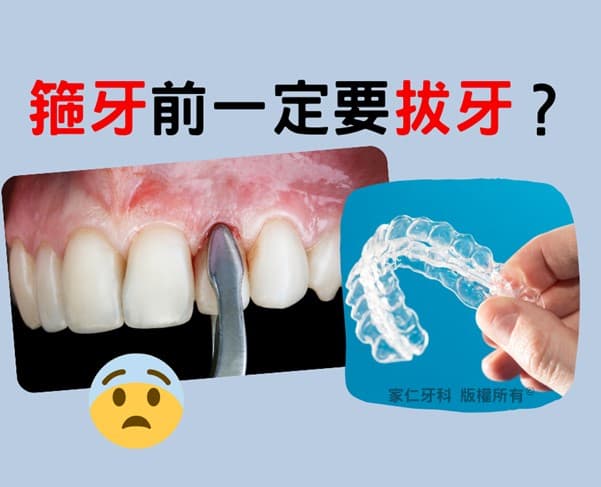
Worried about extractions before braces or Invisalign? Interproximal reduction (IPR) can create space in mild to moderate cases — here is how it works.

Often when consulting orthodontic treatments (whether it is traditional braces or invisible braces), patients often worry about the need for tooth extraction. They may think that if the teeth are crowded or protruding, must do tooth extraction to cooperate with the orthodontics. Because of the large space after tooth extraction, it usually takes a longer treatment time to align the teeth. In fact, orthodontic with tooth extraction is more suitable for cases that need to reserve more space for the teeth to move. For some cases with mild to moderate adjustments, there is a chance that only need interproximal reduction instead of having tooth extraction.
Orthodontic tips – interproximal reduction (IPR)
 
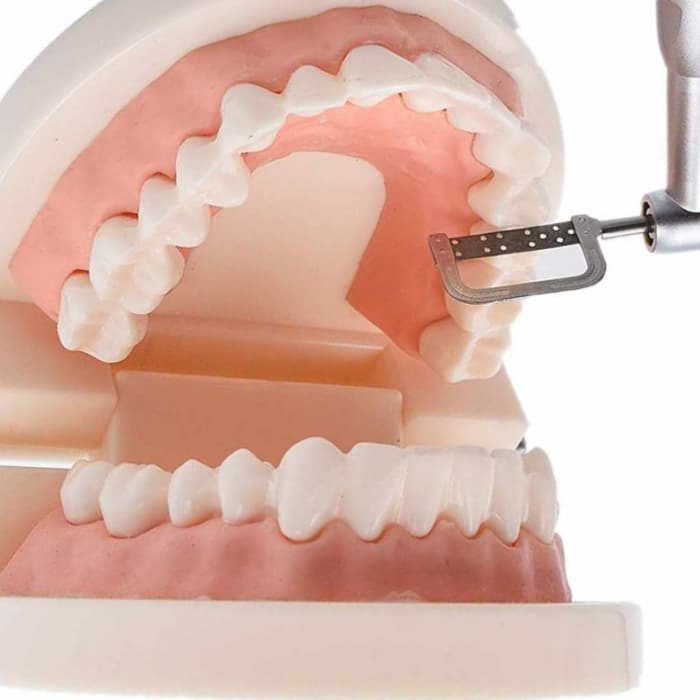
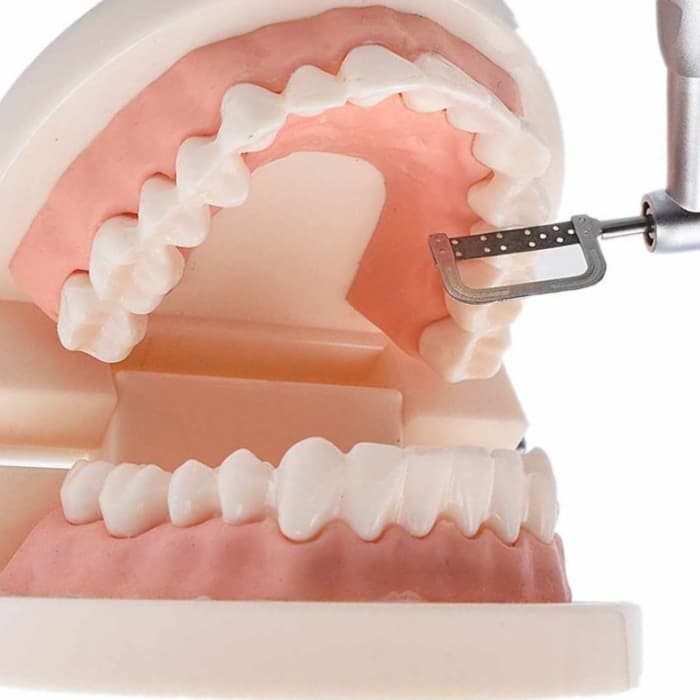
Interproximal reduction (IPR) is a commonly used technique and procedure during treatment of orthodontics. ‘Reduction’ of teeth sounds horrible but the fact that it is not. The enamel of teeth generally has a thickness of about 2.5mm, and the interproximal surfaces of each tooth can only be ground up to 0.5mm on each side. It will not cause too much discomfort or pain during the process of IPR because the outer layer of enamel does not have nerve. The dentist will grind the teeth in different positions to get the space needed to move the teeth. You can imagine the range of IPR is just about the thickness of a dental floss. There is no evidence shows that controlled amount of IPR will increase the risk of tooth decay or periodontal disease so far.

IPR is a very technical treatment procedure, which requires high skills. We need to avoid over-reduction of teeth and to maintain the natural shape of teeth when doing IPR. Some people may be worried that the teeth will have the problem of food trapping after IPR. In fact, this problem can easily occur as the teeth move during the orthodontic process. However, if patient performs good oral hygiene cleaning, use dental floss or interdental brushes, the problem of food trapping will be significantly improved as the teeth gradually become neat.
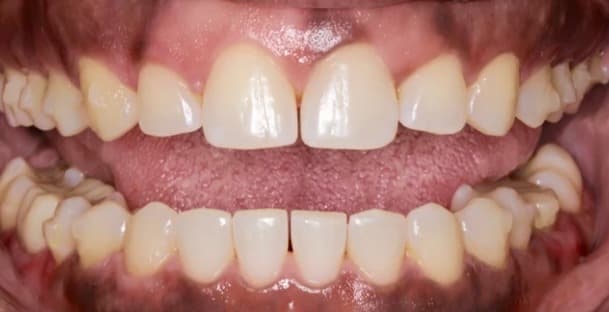
orthodontic

By the way, I have noticed the recent rise in foreign countries to grind their teeth by themselves, such as using nail files to shorten their teeth, or even trying to change the shape of their teeth. Obviously, it is easy to see that these actions will cause great damage to the teeth. In fact, even if a dentist wants to make a dental veneer or crown for a patient, the dentist needs to carefully measure the range of enamel reduction, and then handle each procedure carefully to avoid irreversible damage. After the tooth structure is damaged, it cannot be repaired by itself, so we must always take good care of the teeth and avoid behaviors that damage the teeth, otherwise we will regret it!

#orthodontic #IPR

Article Info

First published: 27 December 2024

Last reviewed: August 2026

Share

FAQ

Frequently Asked Questions

  • How much does orthodontic treatment with IPR cost?

    Orthodontic treatment costs vary depending on the complexity of your case and whether you choose traditional braces or clear aligners. Treatment typically starts from HK$30,000, with the final cost determined after a clinical assessment of your teeth alignment needs. Treatment design — extraction decisions, root control and occlusal detailing — determines post-treatment stability. After a clinical assessment we explain the fee components clearly, and treatment starts only with your consent. WhatsApp us to arrange a consultation and receive a personalised quote.

  • What exactly is interproximal reduction (IPR)?

    IPR is a technique where the dentist carefully removes a small amount of enamel from between your teeth — usually up to 0.5mm per side, about the thickness of dental floss. This creates space for teeth to move during orthodontic treatment without needing tooth extraction. The procedure is controlled and precise, performed only on the outer enamel layer.

  • Does IPR hurt or damage my teeth?

    IPR typically causes minimal to no discomfort because the outer enamel layer has no nerves. When performed by a qualified dentist with proper technique, controlled IPR does not increase the risk of tooth decay or periodontal disease. The amount removed is carefully measured to avoid over-reduction whilst maintaining your teeth's natural shape.

  • Will I need tooth extraction or can IPR be enough?

    For mild to moderate crowding or protrusion cases, IPR alone may provide sufficient space for teeth movement without extraction. Tooth extraction is typically reserved for cases requiring more substantial space. Your dentist will assess your specific situation during consultation to recommend the most appropriate approach for your orthodontic needs.

  • Will food get stuck between my teeth after IPR?

    Food trapping can occur during orthodontic treatment as teeth shift position, but this improves significantly as your teeth gradually align. Maintaining good oral hygiene with dental floss and interdental brushes will help manage any temporary food trapping. Once treatment is complete and teeth are properly aligned, this issue typically resolves.

  • How long does orthodontic treatment with IPR take?

    Treatment duration depends on your individual case complexity and the amount of tooth movement needed. Cases using IPR instead of extraction may have shorter treatment times since less space needs to be closed. Your dentist will provide a timeline estimate after assessing your teeth alignment and discussing your treatment goals.

Still wondering about something? Our team is happy to chat.

Reminder: You have the right to choose a Hong Kong dentist based on your individual needs. We recommend referring to the list of registered dentists published on the official website of the Dental Council of Hong Kong to make a choice best suited to your personal needs. The above content is intended to give you a brief introduction to the nature and effects of the relevant dental procedures, so that you can make informed decisions when choosing a dentist and related treatment options. All treatments have advantages and disadvantages — the key is that you must have a basic understanding of different treatments and procedures and be aware of the associated risks. The above content does not represent the professional opinion or views of any dentist or dental institution. For the sake of your health, please consult your family dentist for formal medical advice.

This article is compiled by the Public Education Team of Home Dental and has been reviewed and approved by the Content Review Committee of Home Dental. The Committee comprises members of our Board of Directors, legal advisors, and relevant professionals, and is responsible for vetting all externally published health education content to ensure it is professional, accurate, relevant to the local context, and regularly updated to meet Hong Kong dental service standards.

This content is originally produced by Home Dental, all rights reserved. Unauthorized reproduction, modification, or publication is prohibited. Violators will bear legal responsibility. For citation or partnership inquiries, please contact our center for written permission.

Last updated: Aug 2026

Full Hong Kong Guide to Traditional Orthodontic Treatment

Want to know more about Orthodontics?

31 general & specialist dentists · Licensed daycare procedure centre