Protruding Teeth (Buck Teeth): Causes, Effects, and the Best Correction Methods
Protruding teeth (also known as buck teeth, English: Protruding Teeth) refer to an excessive forward projection of the upper front teeth, making the lips appear significantly pushed forward and affecting facial aesthetics. This condition not only impacts appearance but can also lead to oral health issues, speech difficulties, chewing problems, and even psychological effects and social confidence issues. Many patients lack knowledge about the causes, treatment options, and consequences of protruding teeth, often assuming that adults cannot correct them.
This article will explore the causes, effects, and correction methods for protruding teeth, along with a detailed Q&A section, to provide you with a complete understanding of how to effectively treat and manage this dental issue.
Causes of Protruding Teeth
Protruding teeth can result from both genetic (inherited) factors and acquired (external) factors.
1️ Genetic Causes (Inherited Protruding Teeth)
- Family inheritance: If parents or family members have protruding teeth, there is a higher chance that their children will develop the same condition.
- Jawbone and teeth size imbalance: If the upper jawbone is overly developed or the lower jawbone is underdeveloped, the upper front teeth may protrude excessively.
- Congenital dental alignment issues: Some individuals are born with larger-than-normal teeth, leading to insufficient space in the dental arch, causing crowding and forward displacement of teeth.
2️ Acquired Causes
- Childhood habits: Prolonged thumb-sucking, nail-biting, lip-biting, or long-term pacifier use can push the teeth forward.
- Tongue thrusting habit: If a person frequently pushes their tongue against their front teeth, this continuous pressure can gradually push the teeth outward.
- Mouth breathing habit: Due to chronic nasal congestion or allergies, some individuals breathe through their mouth instead of their nose, which can alter jaw development and lead to protruding teeth.
- Improper swallowing habits: Abnormal jaw movements during swallowing may also affect tooth alignment, leading to forward displacement of the front teeth.
Effects of Protruding Teeth on Health
Protruding teeth do not just affect appearance; they can have significant functional, health, and psychological consequences.
1️ Functional Problems
- Chewing difficulties: Misaligned teeth can cause inefficient chewing, leading to digestive issues and increased stress on the stomach.
- Speech difficulties: Certain sounds, such as "s," "z," and "f," may be distorted, making speech unclear.
- Swallowing issues: In severe cases, protruding teeth can affect swallowing and cause discomfort while eating.
2️ Oral Health Risks
- Increased risk of cavities and gum disease: Crowded or protruding teeth can be harder to clean, leading to plaque buildup and bacterial infections.
- Excessive tooth wear and sensitivity: Misaligned teeth may experience uneven pressure, causing early wear, enamel loss, and tooth sensitivity.
- Temporomandibular joint (TMJ) disorders: Some cases of protruding teeth may lead to jaw pain, misalignment, or difficulty opening and closing the mouth.
3️ Psychological and Social Impact
- Reduced self-confidence: People with protruding teeth may feel self-conscious about their smile, leading to lower self-esteem and avoidance of social situations.
- Facial profile changes: Severe cases of protruding teeth can alter facial proportions, making the lips appear more prominent and disrupting the balance of facial features.
- Increased psychological stress: Some individuals may experience social anxiety or self-consciousness due to their appearance, impacting their mental well-being.
Correction Methods for Protruding Teeth
The primary treatment methods for protruding teeth include orthodontic treatments and surgical corrections.
1️ Orthodontic Treatments
Best for: Mild to moderate cases of protruding teeth
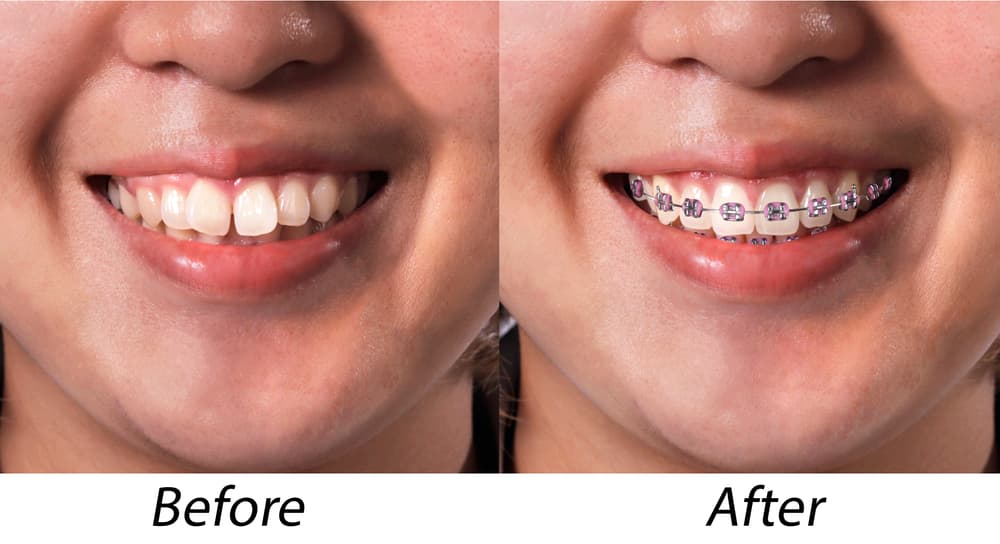
- Traditional Metal Braces (Braces)
- Pros: Effective for all types of misalignment and highly reliable.
- Cons: More visually noticeable and may cause slight discomfort at the beginning.
- Ceramic Braces
- Pros: Transparent brackets provide better aesthetics for patients concerned about appearance.
- Cons: More fragile and more expensive than traditional metal braces.
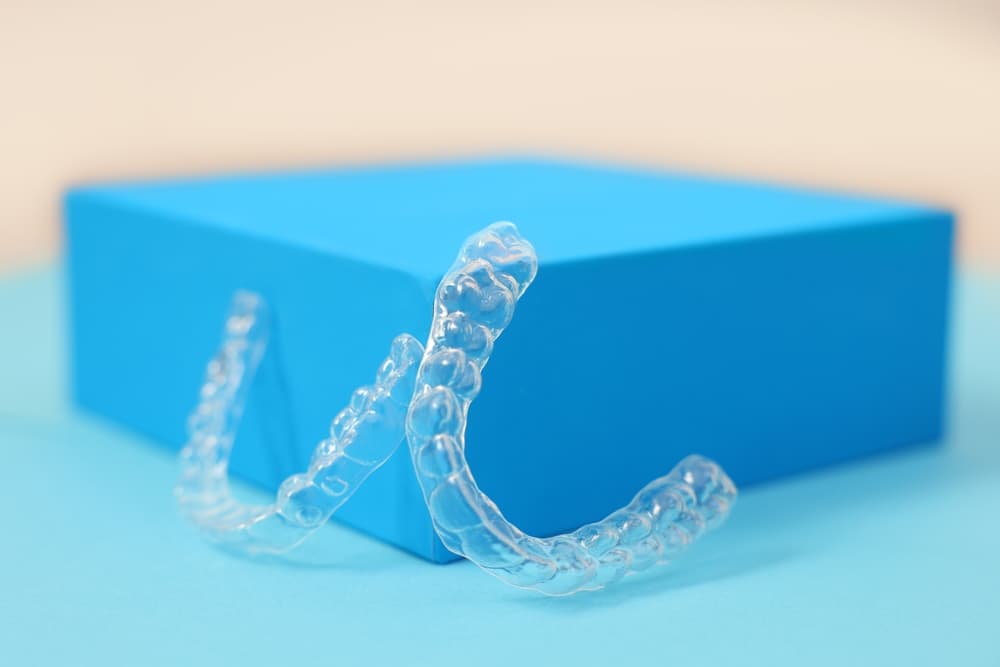
- Clear Aligners (Invisalign)
- Pros: Virtually invisible, removable, and easy to clean.
- Cons: Requires high patient compliance (must be worn 20-22 hours per day) and is more costly.
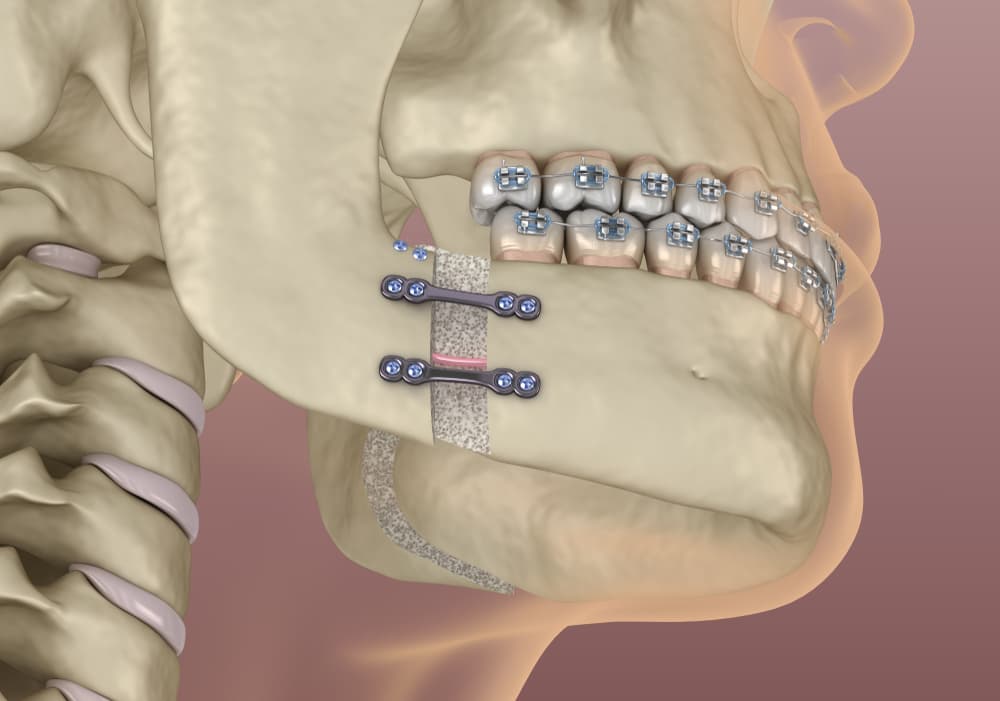
2️ Orthognathic Surgery (Jaw Surgery)
Best for: Severe cases caused by skeletal issues
- Description: Surgical correction of jawbone misalignment to reposition the upper or lower jaw.
- Pros: Provides permanent correction and improves both facial aesthetics and dental function.
- Cons: Requires longer recovery time and is more invasive than orthodontic treatments.
Clarifying Key Issues
📌 Do I need to correct protruding teeth?
Not necessarily, but correction is recommended in most cases. If protruding teeth are causing chewing issues, speech difficulties, dental health problems, or psychological distress, then treatment is strongly advised. If your condition is mild and does not affect daily life, correction can be optional.
📌 How long does it take to correct protruding teeth?
The duration of treatment depends on the severity of the condition:
- Mild to moderate cases: 1-2 years using braces or clear aligners.
- Severe cases requiring surgery: 3+ years, including pre-surgical orthodontics (6-12 months), surgery (2-3 months recovery), and post-surgical orthodontics (6-12 months).
📌 Does orthodontic treatment hurt?
There may be mild discomfort in the first few days after getting braces or changing aligners, but this subsides within a few days. Modern treatments like clear aligners apply gentler force, making them more comfortable. Pain relievers and cold compresses can help manage any discomfort.
📌 Can adults correct protruding teeth?
Absolutely! Orthodontic treatment works at any age. While adults may take slightly longer (1.5 to 2.5 years), modern options like clear aligners allow for discreet correction. Orthodontics can also enhance facial proportions and overall aesthetics.
📌 Will my teeth move back after correction?
Without retainers, teeth can shift back to their original position. Dentists recommend:
- First year: Wear retainers 22 hours daily.
- After one year: Wear retainers only at night.
- Long-term maintenance: Some patients may need to wear them a few hours nightly to prevent relapse.
📌 Which is better: clear aligners or traditional braces?
- Clear aligners (Invisalign): Best for aesthetic-conscious adults, easy to remove for eating and cleaning.
- Metal braces: More effective for severe cases and generally more affordable.
- Ceramic braces & lingual braces: Suitable for those who want less visible braces but need the effectiveness of fixed orthodontics.
📌 Do I need to remove teeth for correction?
Not always. In some cases, tooth extractions are necessary to create space, but modern techniques like dental arch expansion and micro-screw anchorage may allow treatment without extractions. Where the front teeth need substantial retraction, temporary anchorage devices give the appliance a fixed point to pull against.
📌 Will orthodontic treatment change my facial shape?
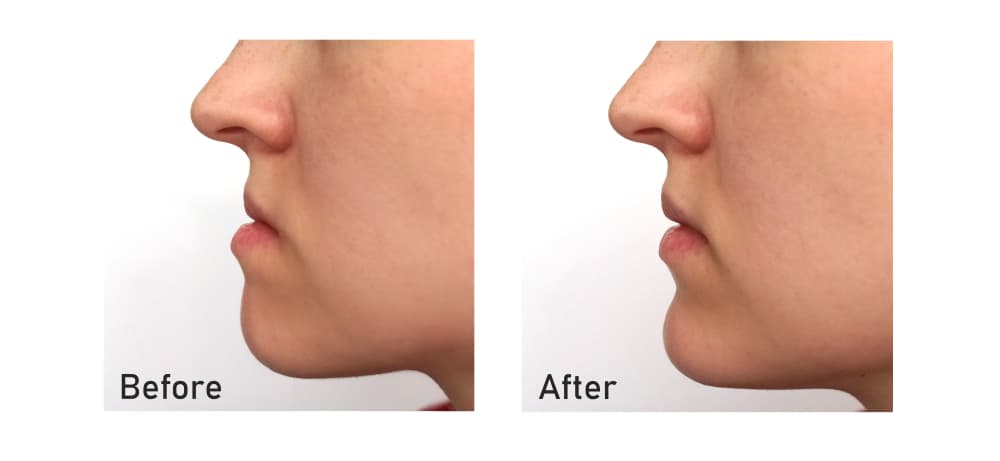
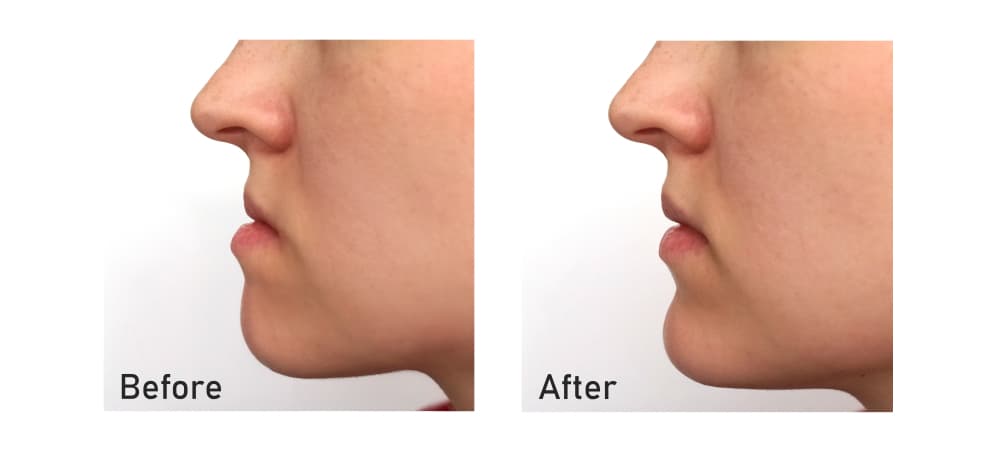
Yes, orthodontic treatment can enhance facial symmetry by aligning the teeth and jaw, making the lips less protrusive and the side profile more harmonious. However, results vary based on individual anatomy.
Conclusion: Correcting Protruding Teeth for a Healthier and More Confident Smile
Protruding teeth impact more than aesthetics—they affect dental function, health, and self-confidence. Thankfully, modern orthodontic and surgical solutions can effectively correct the issue, enhancing both appearance and oral health. If you’re considering treatment, consult a qualified dentist to explore the best options for your situation! 😊 Where the prominence comes from the canines rather than the incisors, prominent canine teeth are assessed and corrected somewhat differently.
How protruding teeth are corrected depends on whether the cause is tooth position or jaw position — see our orthodontic treatment service, explained after assessment.