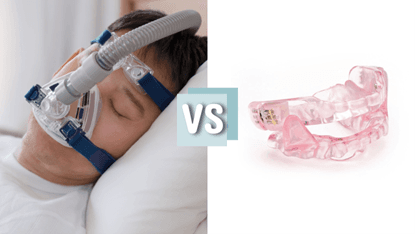
In the midst of our bustling daily lives, the foundation of our overall well-being lies in the realm of plentiful and high-quality sleep. It empowers us with abundant energy to embrace each new day. However, sleep disturbances, especially conditions like sleep apnea, can present profound challenges that affect both our daily routines and health. The conventional Continuous Positive Airway Pressure (CPAP) machines and the innovative custom dental sleep apnea devices emerge as the two major choices to address these challenges. This article aims to provide a deeper understanding of the distinctions between these solutions, guiding you to find the most fitting key to unlock a dreamy and restful night's sleep.
1. Comfort and Convenience
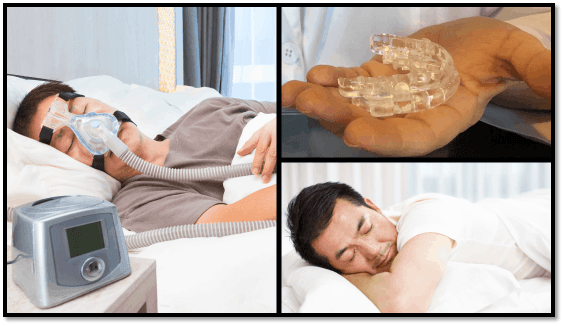
- CPAP Machine: This involves wearing a mask and nasal pillows connected to the machine through a hose, delivering a steady stream of air to keep the airway open during sleep. While effective in addressing sleep apnea symptoms, some users may find the mask and nasal pillows less snug. They might also struggle with the continuous airflow and the need to exhale against pressure, making treatment adherence challenging. Additionally, the machine's slight noise and inconvenience can pose perceptual challenges for both the user and their partner.
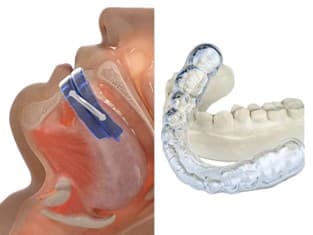
- Custom Dental Sleep Apnea Device: Uniquely crafted to alleviate sleep apnea, this compact dental solution ensures an unobstructed airway by delicately adjusting the position of the lower jaw. In contrast to external devices, this petite dental appliance provides a more intimate, comfortable, and convenient alternative.
2. Portability and Ease of Use
- CPAP Machine: Relatively large in size and requires a hose connection and power source, limiting user mobility. During travel, the machine's bulkiness poses challenges in terms of convenient transport, and adapting to different countries' voltage and plug standards may be necessary. Additionally, the mask may shift during sleep, affecting the seal and respiratory benefits. he CPAP machine demands meticulous maintenance, such as daily cleaning of the mask or nasal pillow and regular replacement of humidifier water.
- Custom Dental Sleep Apnea Device: Compact, portable, and without external components or power needs, offering a more convenient option, particularly for travel. Designed to fit the teeth seamlessly, this dental appliance easily attaches to the upper and lower teeth, ensuring easy use. Maintenance is simpler compared to the CPAP machine, requiring only regular cleaning.
3. Personalized Treatment
- CPAP Machine: Delivers continuous air pressure for effective sleep apnea treatment. However, the discomfort may arise due to the straps securing the mask and the secure fit of the nasal pillows, making it unsuitable for some individuals. This can be particularly challenging for those with claustrophobia.
- Custom Dental Sleep Apnea Device: Tailored to individual oral structures, these dental devices provide a personalized approach. Effectively addressing sleep apnea symptoms, they offer a comfortable alternative to CPAP machines, avoiding potential discomfort associated with the equipment.
4. Fit and Comfort Experience
- CPAP Machine: Users might experience reduced compliance due to discomfort, noise issues, or perceived inconvenience, making them less inclined to use it consistently every night. Some users may encounter discomfort during usage, leading to a decrease in overall frequency of use.
- Custom Dental Sleep Apnea Device: Users commonly find custom dental devices more user-friendly, enhancing overall comfort and making consistent daily use more accessible. The comfortable design minimizes disturbances during the night, contributing to an improved overall user experience
5. Long-term considerations
- CPAP Machine: While effective in managing sleep apnea, its use may be hindered by discomfort and inconvenience, potentially affecting user adherence over the long term.
- Custom Dental Sleep Apnea Device: Under ongoing supervision by a dentist, these devices offer a more comfortable, customizable, and potentially durable solution for long-term management of sleep apnea.
Ultimately, the decision between a CPAP breathing machine and a personalized dental sleep apnea device should be guided by personal preferences, lifestyle considerations, and the severity of sleep apnea symptoms. Prior to making a choice, seeking advice from respiratory or ENT specialists and dentists is recommended. This collaborative approach helps identify a tailored and effective treatment plan that aligns with your individual circumstances. Regardless of the chosen treatment method, it signifies a significant stride towards attaining improved sleep quality and elevating overall life quality.