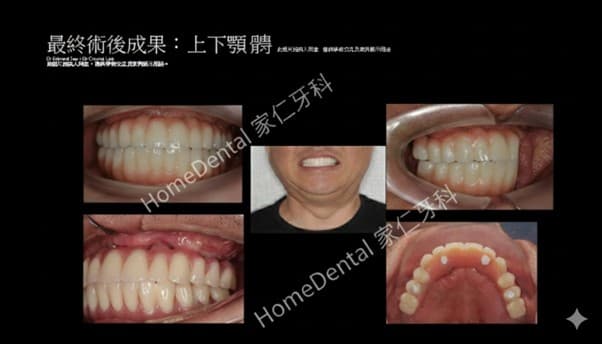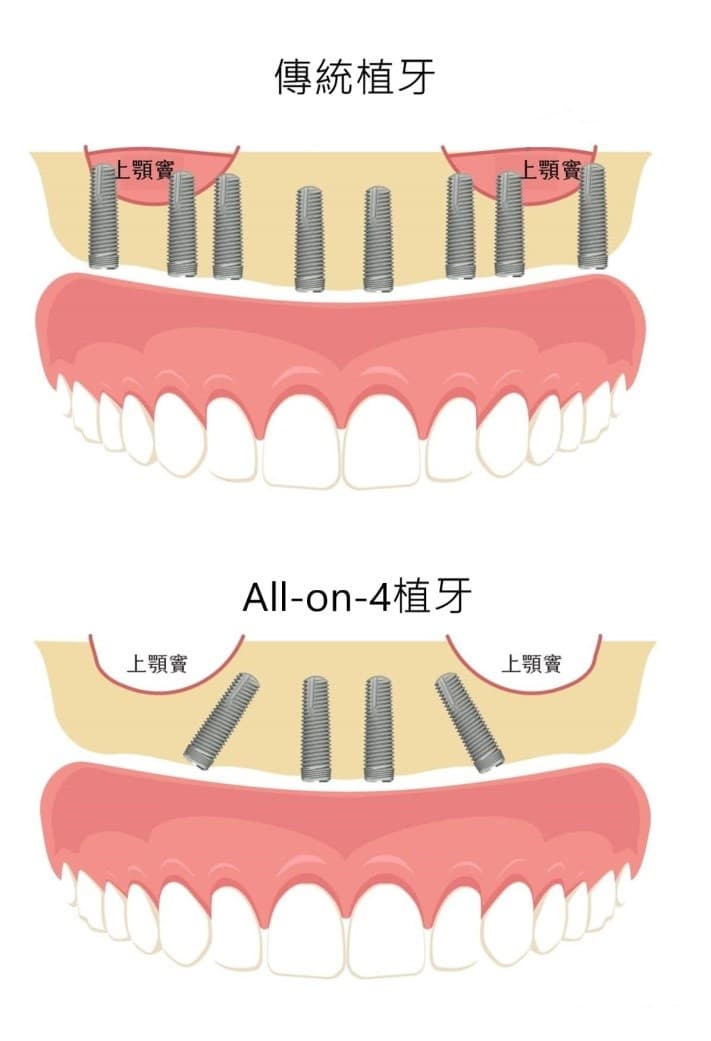
A radiant smile with healthy teeth is more than just a marker of good health—it's pivotal to enjoying a high-quality life. Consider the setbacks that can arise when missing teeth hinder simple joys, like relishing a meal or conversing confidently. So, how can we ensure our daily comfort and confidence? Thankfully, modern dentistry provides an array of solutions for those with absent teeth. Among them, the All-on-4 dental implants and traditional implant methods stand out as popular choices. But what distinguishes the two? And which one aligns best with individual needs? In our subsequent exploration, we'll dissect the nuances of each technique, empowering you to select the perfect fit for your dental health
What is the Traditional Dental Implant Technique?
Traditional dental implants breathe new life into missing teeth through helical artificial tooth roots, offering a lasting and sturdy solution. These implants do more than just aesthetically replace lost teeth; they restore the mouth's natural function, allowing patients to regain their normal chewing and speaking abilities.
Every traditional implant is designed with precision to complement one's natural teeth, integrating flawlessly into the smile as though they've always been there. The implantation procedure may entail several surgeries and a considerable recovery span, but each phase is crucial. In general, the implantation process is phased over various appointments, rather than a straightforward process where all implants are positioned in one session. Following the initial placement, a specific period is necessary for the implant to bond with the bone before attaching the prosthetic crown.
Each patient's path to recovery is distinct, but the majority experience complete healing within a timeframe of 2 to 6 months. As this period progresses, the bone and implant merge, establishing a formidable connection with the jaw, guaranteeing enduring stability and reliability.
How does the All-on-4 dental implant technique stand out?
When compared to traditional dental implant procedures, the All-on-4 dental implants are particularly beneficial for those who have experienced significant tooth loss or are missing several teeth. Its distinctiveness lies in its ability to secure an entire set of teeth using only four implants. This feat is achieved through its specialized mechanical design and meticulously calculated implantation angles, which ensure even force distribution and, consequently, remarkable stability. Adding to its appeal, the entire procedure can often be accomplished in a single surgical session, dramatically reducing both waiting and recovery times while providing patients with a smooth and efficient treatment journey.
Distinguishing Traditional Dental Implants from All-on-4 Implants: What Are the Differences?
Both traditional dental implants and All-on-4 implants serve the fundamental purpose of restoring missing teeth, yet they diverge notably in their application methods and therapeutic outcomes. A pivotal difference resides in the treatment procedure and duration: traditional implants typically necessitate multiple visits and a staged treatment plan, while the All-on-4 strategy facilitates the completion of the entire process within a single surgical session.
Moreover, All-on-4 presents a more encompassing and efficient solution for patients experiencing extensive tooth loss. Contrasted with the traditional implants, which address individual or partial tooth replacement, All-on-4 is capable of substituting an entire set of teeth in one instance. This positions it as an ideal choice for those with widespread tooth loss, delivering a solution that is both time-efficient and effective.
Feel free to adjust further or let me know if there are specific aspects you'd like to emphasize more!
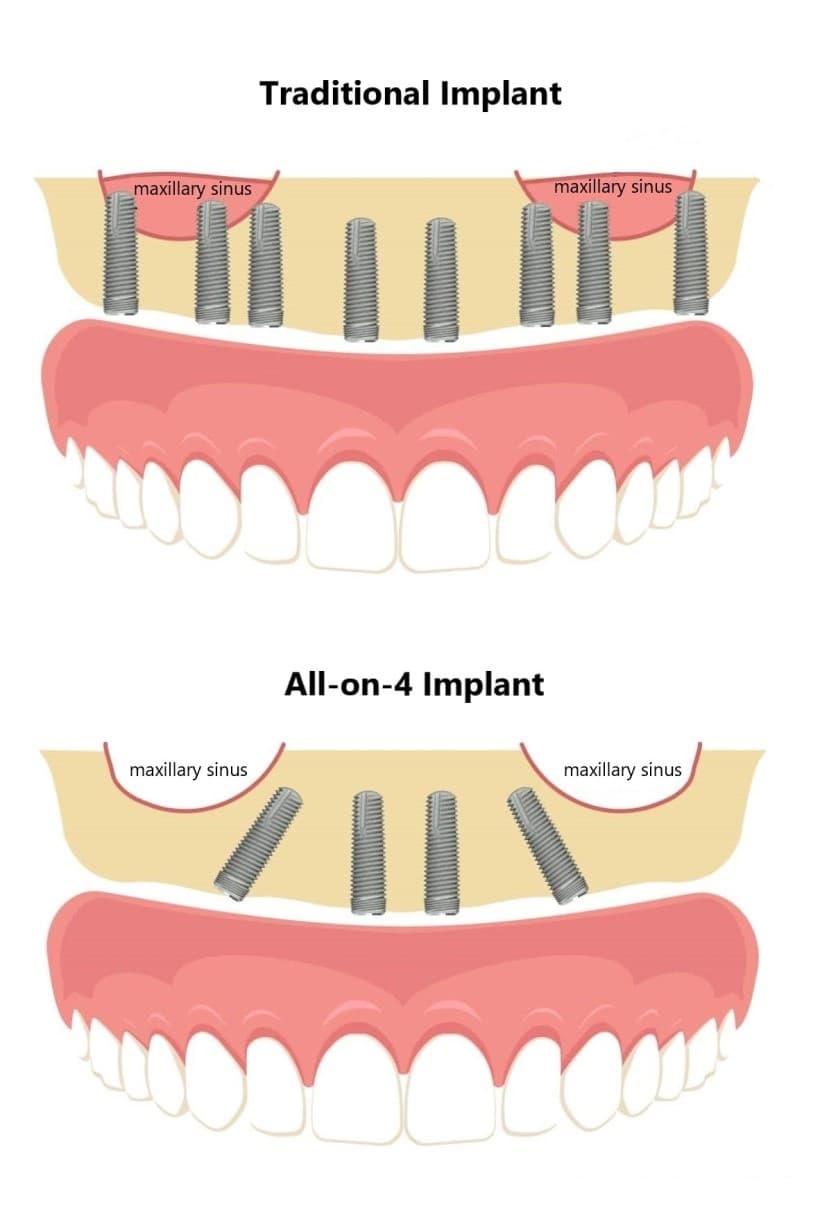
What Are the Outstanding Benefits of All-on-4 Dental Implants?
- Streamlined Efficiency: By prioritizing implantation in the sturdiest parts of the jaw, stability is ensured. Furthermore, the procedure can be completed in just one visit, eliminating multiple surgeries and long waits for bone integration. This approach swiftly improves both oral function and aesthetics.
- Reduced Need for Bone Grafting: While traditional implants may require bone grafting for added reinforcement, All-on-4's approach, which targets areas with denser bone, often eliminates this necessity.
- Cost-effective Approach: All-on-4's approach, which aims to complete the process in a single surgery, usually results in fewer visits, making it a cost-effective choice in the long haul.
- Holistic Oral Health Boost: Before undergoing the All-on-4 procedure, all dental issues are addressed, setting the stage for reduced risks of future cavities and periodontal diseases.
- Chew with Assurance: Securely anchored in the jawbone, All-on-4 implants provide a chewing capability comparable to natural teeth, letting patients savor their meals without any inconvenience.
- Naturally Appealing Aesthetics: Beyond their functional excellence, All-on-4 implants closely mimic the appearance of real teeth, greatly enhancing patients' confidence and comfort.
Who Is the All-on-4 Dental Implant Ideal For?
The All-on-4 dental implant technique is crafted for individuals who need a comprehensive teeth replacement solution in one go. It's especially suitable for:
- Those with Extensive Tooth Loss: For patients who have lost all their teeth in one jaw or have only a few left, All-on-4 offers an ideal solution.
- Patients with Severe Jawbone Atrophy: Individuals with diminished jawbone, who aren't good candidates for bone grafts, can benefit from this technique, which provides a superior way to anchor their teeth.
- Patients with Compromised Dental Health: While some individuals may appear to have a reasonable number of teeth, if many of those teeth are critically damaged by cavities—particularly those affecting the roots and deemed irreparable—All-on-4 offers an effective solution, giving them a fresh set of teeth.
How is the All-on-4 dental implant procedure conducted?
- Initial Consultation and Evaluation: The process starts with a comprehensive oral examination. Using X-rays and CT scans, the dentist gains a detailed insight into the jawbone's condition and identifies the optimal locations for implant placement.
- Tailoring a Treatment Plan: Based on the individual's specific oral health, the dentist crafts a personalized treatment plan. This includes determining the exact implant positions and selecting the appropriate materials.
- Tooth Extraction and Implant Placement: If needed, any damaged or unhealthy teeth are first removed. Then, implants are inserted at the predetermined locations—usually, two in the front and two angled towards the back.
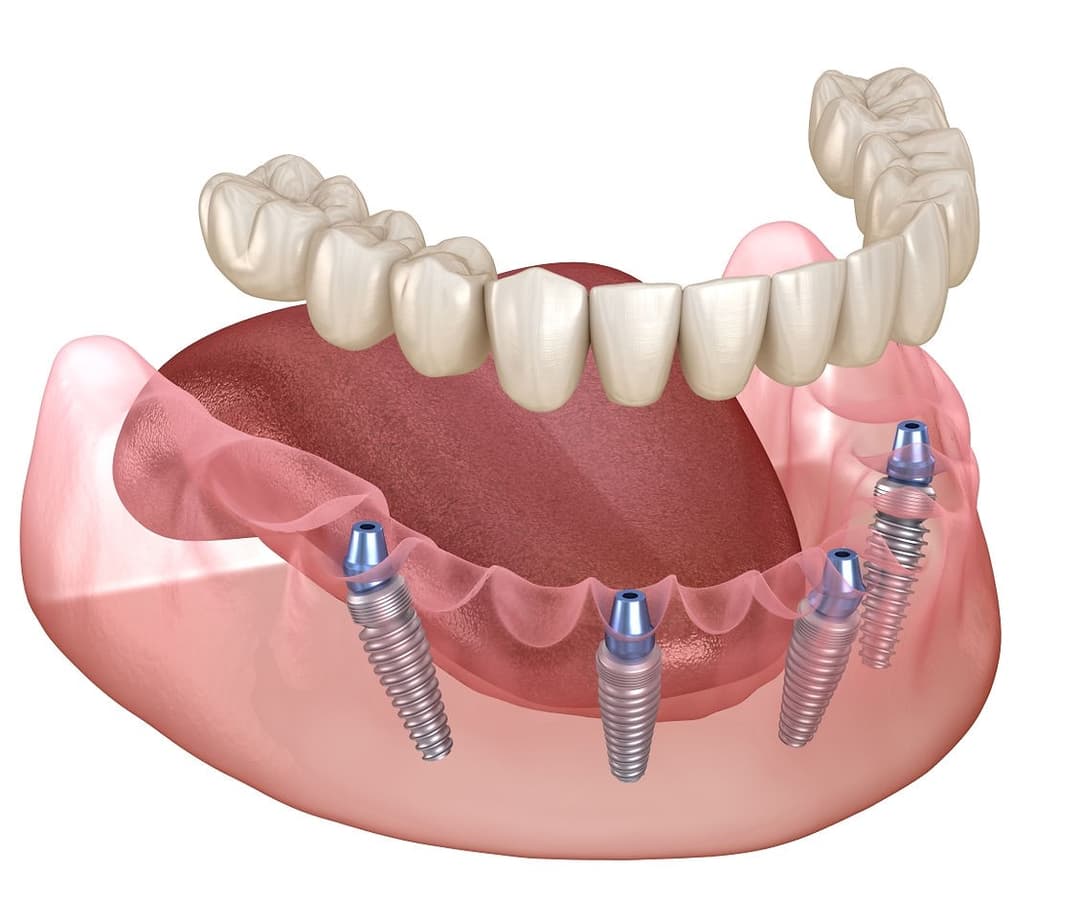
- Temporary Bridge Installation: As soon as the implants are in place, a provisional dental bridge is set. This acts as a safeguard for the newly implanted areas and also allows patients to resume basic chewing functions immediately.
- Healing and Recovery: The implanted artificial tooth roots must integrate closely with the jawbone, a process that can span several months. During this time, patients are advised to steer clear of hard foods, ensuring that the implants remain stable and bond effectively.
- Affixing the Permanent Bridge: Once the artificial roots are fully fused with the jawbone, the provisional bridge is swapped out for its permanent counterpart. This transition promises patients a more lasting and natural appearance and functionality.
- Ongoing Care: After the treatment is complete, regular check-ups and cleanings are essential. Good oral hygiene practices will ensure the longevity of the implants.
One of the standout features of the All-on-4 dental implant procedure is the ability to address both the implant placement and bridge fixation in just one surgical session. Given the unique circumstances of each patient, a thorough consultation with a dentist is always advisable to ascertain the most suitable treatment path.
What Are the Potential Side Effects of All-on-4 Dental Implants?
All-on-4 dental implants represent a notable advancement in dental implantology. However, like any medical procedure, they come with possible side effects and post-operative reactions:
- Pain and Discomfort: Temporary pain and discomfort after the surgery are expected, but they can generally be managed and alleviated with appropriate pain relief medications.
- Swelling and Bruising: The surgical area might exhibit swelling and bruising in the days following the procedure. Typically, these symptoms subside within a week.
- Infection: Although the risk is lower when proper sterile techniques are utilized during surgery, maintaining wound cleanliness and care is crucial to prevent infections.
- Implant Failure: In some cases, the artificial tooth root might not fully integrate with the bone, leading to implant failure. This could be attributed to factors such as smoking, severe osteoporosis, diabetes, or other health conditions.
- Nerve Damage: While rare, there's a possibility that the surgery could damage nerves within the mouth, leading to sensations of numbness or tingling.
To maximize the chances of treatment success and minimize the risk of side effects, it's advisable to entrust the procedure to an experienced dentist and adhere strictly to post-operative care guidelines they provide.
When faced with the issue of tooth loss, selecting the most appropriate method for restoration not only impacts one's quality of life but also plays a crucial role in their oral health. Both traditional dental implants and All-on-4 dental implants possess unique features and advantages. However, the decision should take into account the specific needs of the patient, their desired outcomes, and the professional advice of a dentist.
Teeth serve not only for chewing but also as a foundation for confidence and social interactions. Therefore, making the right choice can not only restore oral function but also help patients regain their smiles and self-assurance, ultimately enhancing their quality of life.
Before making a decision, it's advisable for patients to thoroughly understand the pros and cons of different options and engage in a detailed discussion with dental experts to select a treatment plan that best suits their needs.