Poor Dental Care Can Lead to Gingivitis: Symptoms and Causes Explained
Improper dental care can easily lead to gingivitis, also known as gum inflammation. If left untreated, it can escalate into more severe oral diseases such as periodontitis. But how does gingivitis form? What symptoms do patients experience, and what serious implications can it have on the body? This article will gradually dissect the symptoms and causes of gingivitis, providing improvement suggestions in the end.
What is Gingivitis?
Gingivitis is a symptom of infection and inflammation in the gum tissue, with the main culprit being dental plaque, a transparent film hidden between the teeth and gums that develops during eating. The toxins released by these bacteria can harm gum health, and if not promptly removed, they accumulate, eventually causing gum inflammation.
What are the Symptoms of Gingivitis?
The consequences of gingivitis are severe and should not be taken lightly. How can you tell if you have gingivitis? Generally, gum inflammation is not difficult to notice, and there are four distinct signs that indicate gingivitis. These are typical symptoms that can be easily observed by closely examining your oral cavity.
-
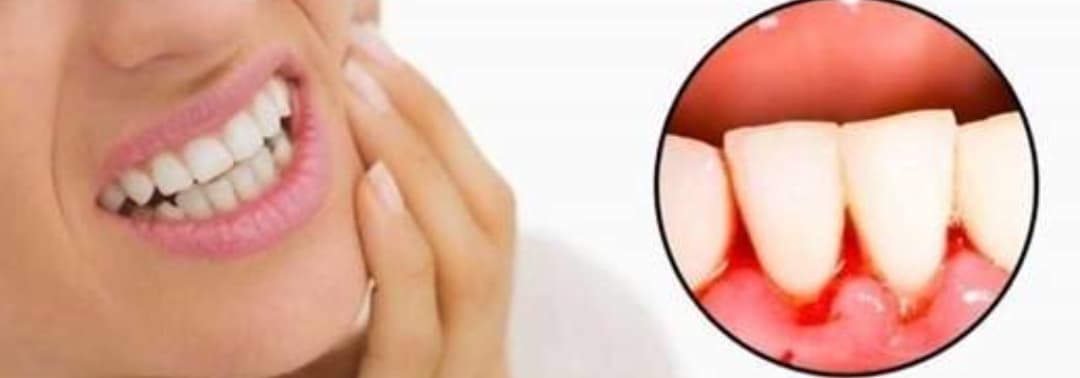
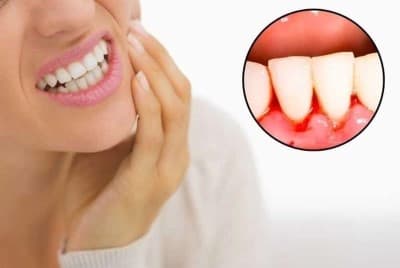
Bleeding and Swollen Gums: Gingivitis begins with gum bleeding, which is not normal under regular circumstances. If you notice bleeding while cleaning your mouth, it indicates unhealthy gums. Additionally, healthy gums should be a light pink color and have a tight surface. If your gums consistently appear red, swollen, and even sensitive to touch, you may be suffering from gingivitis.
-
Unpleasant Mouth Odor: Another obvious symptom of gingivitis is bad breath. Plaque generated from eating helps break down residues in the oral cavity. If we fail to promptly remove residual plaque, it continuously emits an unpleasant odor, leading to embarrassing bad breath. However, bad breath can have various causes, not only due to gingivitis but also possibly arising from digestive issues. If you experience other symptoms of gingivitis, the likelihood of suffering from it is high.

-
Gum Recession and Slight Tooth Loosening: If gingivitis persists without improvement, it is more likely to lead to gum recession. In the early stages of gum recession, the gums may start to recede from the teeth or exhibit signs of detachment, making the teeth appear longer, and even exposing the tooth roots. This indicates that your gums have started to recede, and your teeth will become more sensitive as the gums recede. Moreover, if the condition of gingivitis becomes severe, it can damage the surrounding bone structure, causing slight tooth loosening and eventually evolving into periodontitis.
-
Accumulation of Excessive Calculus on Tooth Roots: The tooth roots of gingivitis patients often accumulate a large amount of calculus. Calculus is a significant contributor to the development of gingivitis. Formed by the buildup of plaque in the tooth crevices, inadequate removal of calculus can easily lead to gum inflammation and swelling. Over time, this can result in gingivitis.
How Does Gingivitis Occur?
Gingivitis is a common oral inflammation among urban dwellers, often caused by certain poor daily habits. Some diseases can exacerbate the symptoms of gingivitis. If you have the following conditions, you should pay more attention to your oral health.
Poor Oral Hygiene Habits: People prone to gum inflammation usually have poor oral hygiene habits. For example, not brushing teeth morning and night, inadequate cleaning of teeth, not regularly using dental floss to remove calculus, and improper tooth cleaning methods can all lead to poor oral hygiene.

Misaligned Teeth or Undergoing Orthodontic Treatment: If your teeth are misaligned or you are undergoing orthodontic treatment, there are areas in your mouth that are difficult to clean. Prolonged difficulty in cleaning can lead to the accumulation of plaque, ultimately triggering gingivitis.
Smoking Habits: In addition to poor oral hygiene habits, smoking habits also increase the likelihood of developing gingivitis. The nicotine in cigarettes slows down the healing process of gum tissues. Consequently, regular smokers are more prone to gum inflammation compared to non-smokers.
Diabetes: Individuals with diabetes are more susceptible to gingivitis. Diabetic patients have a compromised immune system compared to the general population. If the oral cavity is invaded by bacteria, it becomes more challenging for the body to recover, leading to increasingly severe symptoms of gingivitis.
How Does Gingivitis Affect the Body?
Apart from the possibility of causing more severe gum diseases, gingivitis itself has various negative effects on the body.
Impact on Oral Appearance and Long-term Health: Gingivitis may result in gum recession, leading to exposed tooth roots and elongated teeth. This condition significantly damages the appearance of the oral cavity. Additionally, even if gingivitis has been treated and healed, the receded gums cannot self-repair, and the tooth crevices become more prone to plaque accumulation, causing permanent damage to oral health.
What to Do If You Develop Gingivitis?
Gingivitis is an early and mild stage of gum disease, and it is one of the early signs of periodontal disease. If not treated properly, it can lead to more severe gum diseases. Therefore, if you develop these symptoms, prompt action is necessary to prevent further complications.
Proper Oral Care Measures: Early-stage gingivitis can be improved through good oral care habits. This includes adopting the correct toothbrushing technique, rinsing your mouth immediately after eating, frequent use of dental floss, and ensuring the thorough removal of food debris and remaining plaque to prevent the accumulation of calculus and gum bleeding.
Quit Unhealthy Habits: Gingivitis patients should avoid smoking regularly, reducing nicotine intake to enhance the self-repair capability of gum tissues. Additionally, consuming foods rich in vitamin C can promote the synthesis of collagen, ensuring gum health.

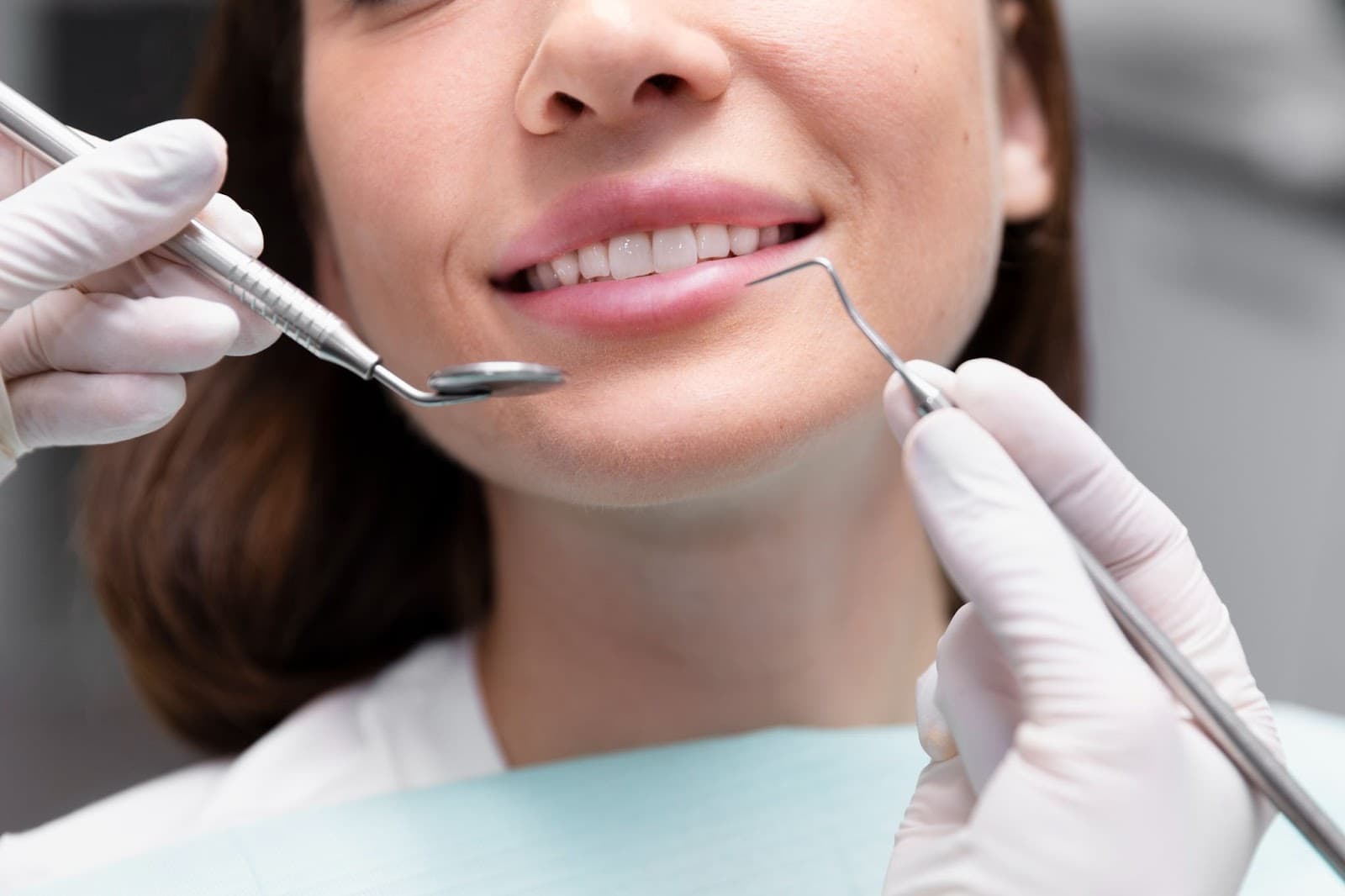
Regular Dental Check-ups: People prone to gingivitis should undergo regular dental check-ups and have their teeth cleaned every six months. Regular professional cleaning helps thoroughly remove dental calculus, reducing the risk of gum inflammation and preventing gingivitis from developing into more severe periodontal diseases. If periodontal disease is diagnosed, root planing treatment may be necessary. This treatment involves using precise dental instruments to reach hidden areas around the roots that regular cleaning cannot access, providing a more thorough deep cleaning to eliminate periodontal pockets and prevent gum recession. However, not every patient is suitable for this treatment. If you are troubled by this issue, it is recommended to consult with your primary dentist.
Impact of Gum Diseases on Overall Health: Gum diseases not only affect personal appearance but also compromise overall health. It is essential to address oral issues promptly. If you notice symptoms of gingivitis, it is crucial to seek treatment or consult with a dental professional to resolve the problem as early as possible.