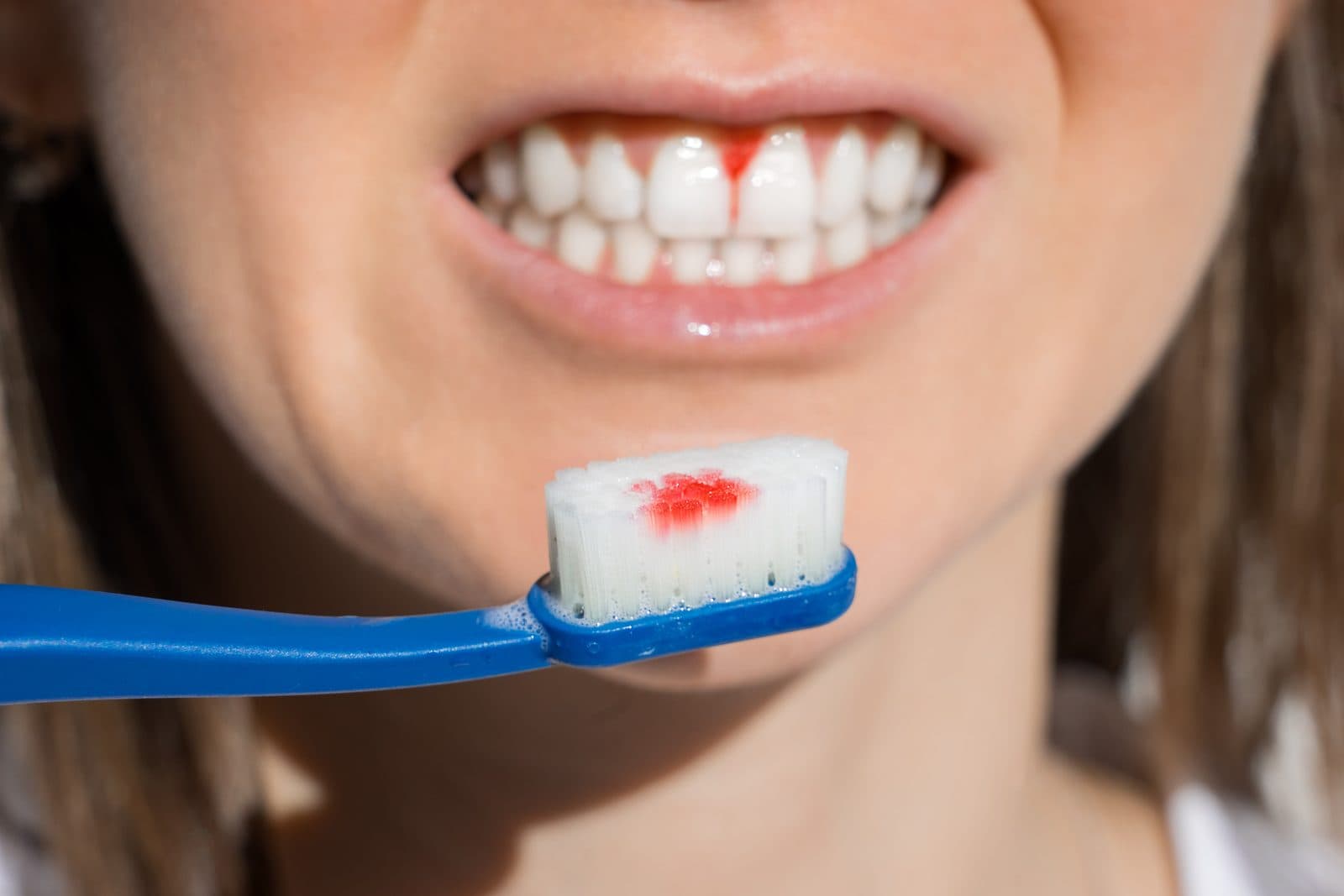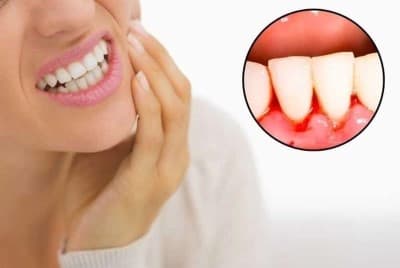
Tooth gum pain doesn't necessarily indicate gum disease. In fact, there are various situations that can cause gum pain. It could be as simple as brushing too hard or using excessive force while flossing, or accidentally hurting the gums while consuming hot or hard foods. Gums are soft tissues, and they typically take about two weeks to self-heal. Conditions like aphthous ulcers (mouth ulcers) caused by immune system issues are also common reasons for gum pain. Sometimes, factors such as "heat," "lack of sleep," or "high stress" can contribute to a weakened immune system, making individuals more susceptible to mouth ulcers.
If gum pain is not caused by external trauma or a weakened immune system, it could be a symptom of tooth-related issues such as gingivitis, periodontal disease, eruption of wisdom teeth, cavities, or dental abscess.
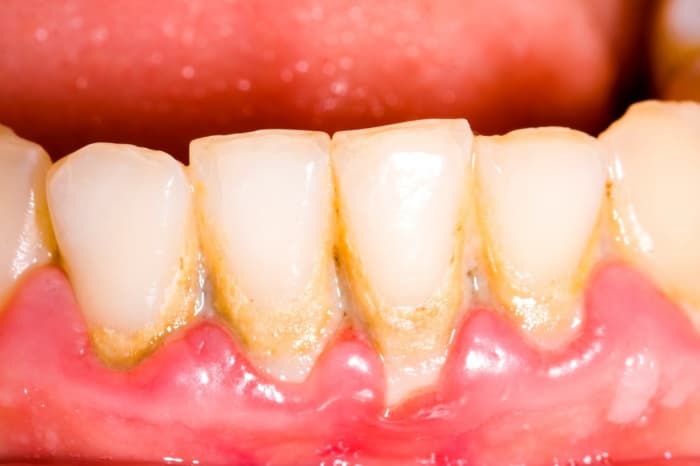
When dental plaque and tartar accumulate, the gum tissue can become infected, leading to symptoms like redness, swelling, and bleeding gums. In the inflamed state, the gums become more sensitive, causing discomfort when brushing or experiencing food stimuli. In the early stages of gum inflammation, known as gingivitis, thorough cleaning of dental plaque and tartar near the gums and tooth surfaces through dental cleaning can help restore gum health. Proper brushing and flossing techniques, along with controlling bacterial levels, can contribute to gum recovery.
If there is a large amount of tartar or it has been accumulating for an extended period, bacteria may start to damage and erode the tooth's bone tissue, progressing into the tooth's root area. In cases where bone recession has occurred, addressing the bacteria and tartar deep beneath the gumline is necessary, requiring periodontal disease treatment. After thorough removal of bacteria at the base of the gums, maintaining good hygiene on the gum surface can stabilize periodontal disease, resolving gum pain issues.
Wisdom teeth grow in the last position in the dental arch, and with human evolution, the jawbone has reduced in size. In many cases, wisdom teeth may not have enough space to grow, leading to impacted wisdom teeth. Due to the difficulty in cleaning wisdom teeth, bacterial growth is common, and when the bacterial load reaches a certain level, combined with weakened immune resistance, it can result in swollen and painful gums. Adopting a more conservative treatment approach may involve using medications to control inflammation, but there's a chance of recurrent inflammation, addressing symptoms rather than the root cause. Removing wisdom teeth eliminates the source of the problem, and the absence of wisdom teeth allows for easier cleaning, resolving gum pain issues.
Cavities progress from shallow to deep. In the early stages, cavities may not have formed visible holes on the tooth surface, making them challenging to detect. As cavities deepen and holes appear, they accumulate food remnants and bacteria. Prolonged exposure to food remnants near the teeth can compress the nearby gums, causing gum discomfort or bleeding. Bacterial proliferation inside cavities can also impact the health of surrounding tissues.
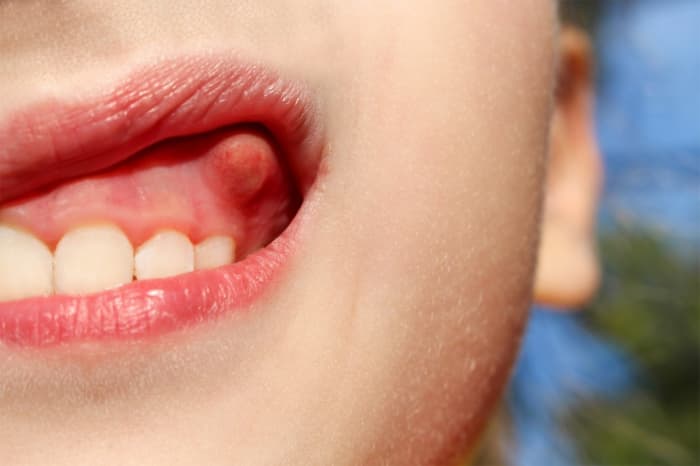
Severe periodontal disease, cavities, or even tooth trauma can lead to bacterial infection of the tooth nerve, resulting in a dental abscess. Infection of the tooth nerve causes the release of inflammatory products and pus, creating a pathway for the pus to drain through the gum tissue. This can cause pain and discomfort similar to an "abscess." The specific treatment plan requires a clinical examination by a dentist to determine the cause before proposing a suitable approach for the patient.
In addition to the mentioned factors, hormonal changes such as pregnancy or menstruation, and medication side effects such as taking antiepileptic drugs or steroids, can also lead to gum swelling. Maintaining oral hygiene helps reduce the likelihood of such occurrences.