Removable dentures are one of the most common options for older adults to restore missing teeth, helping to recover chewing function and appearance. However, many wearers find that after some time they struggle to bite through food, experience sore or irritated gums, or find that their dentures have become loose. These issues are often related to changes in the jawbone, denture wear, or inadequate cleaning — and most can be improved with proper care and regular adjustment.
Common Causes of Chewing Difficulty and Gum Soreness
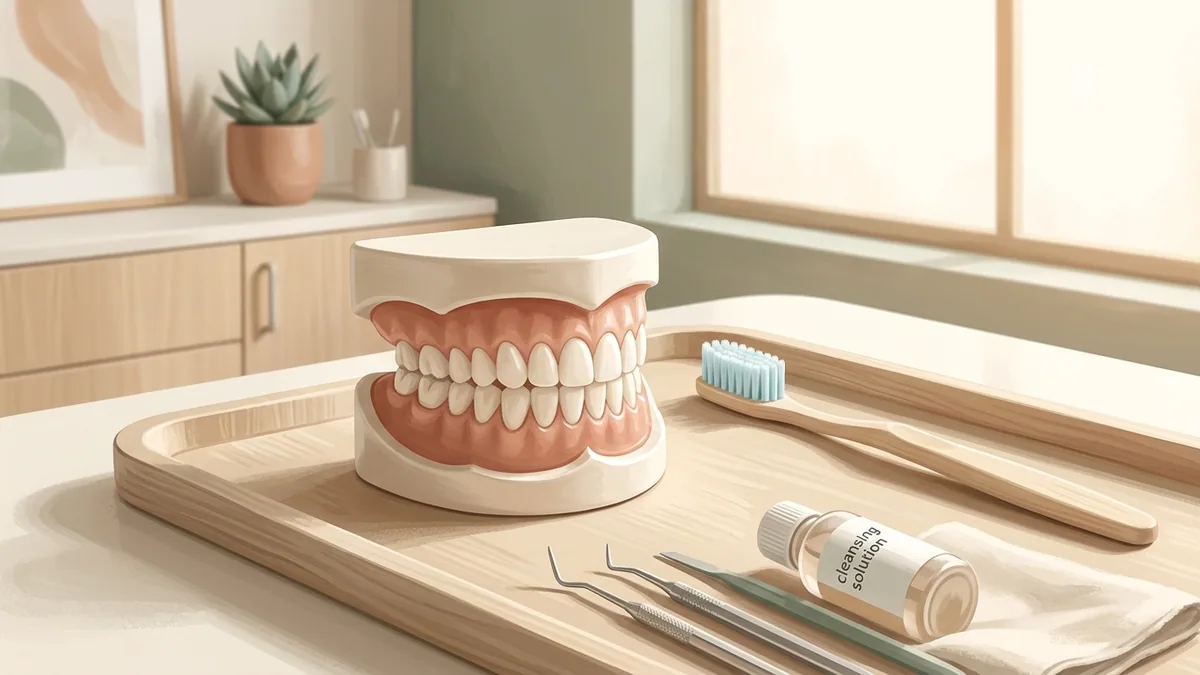
Removable dentures rely on the jawbone and gum tissue for support. Discomfort tends to arise when any of the following occur:
- The jawbone gradually shrinks with age and after tooth loss, reducing how well the denture fits against the gum and creating gaps or movement.
- The denture base or artificial teeth wear down over time, altering the bite height and reducing chewing efficiency.
- Overextended denture edges or uneven pressure points repeatedly rub against the gum, causing redness, swelling, or ulcers.
- Wearing dentures for too long without removing them leaves the gum without any rest, increasing the risk of inflammation.
If an older adult finds one side noticeably harder to chew on, or notices a persistent sore spot on the gum, it is usually a sign that the denture needs to be reviewed and adjusted.
Daily Cleaning and Care for Removable Dentures
Proper care helps extend the life of your denture and reduces the risk of gum inflammation and oral odour:
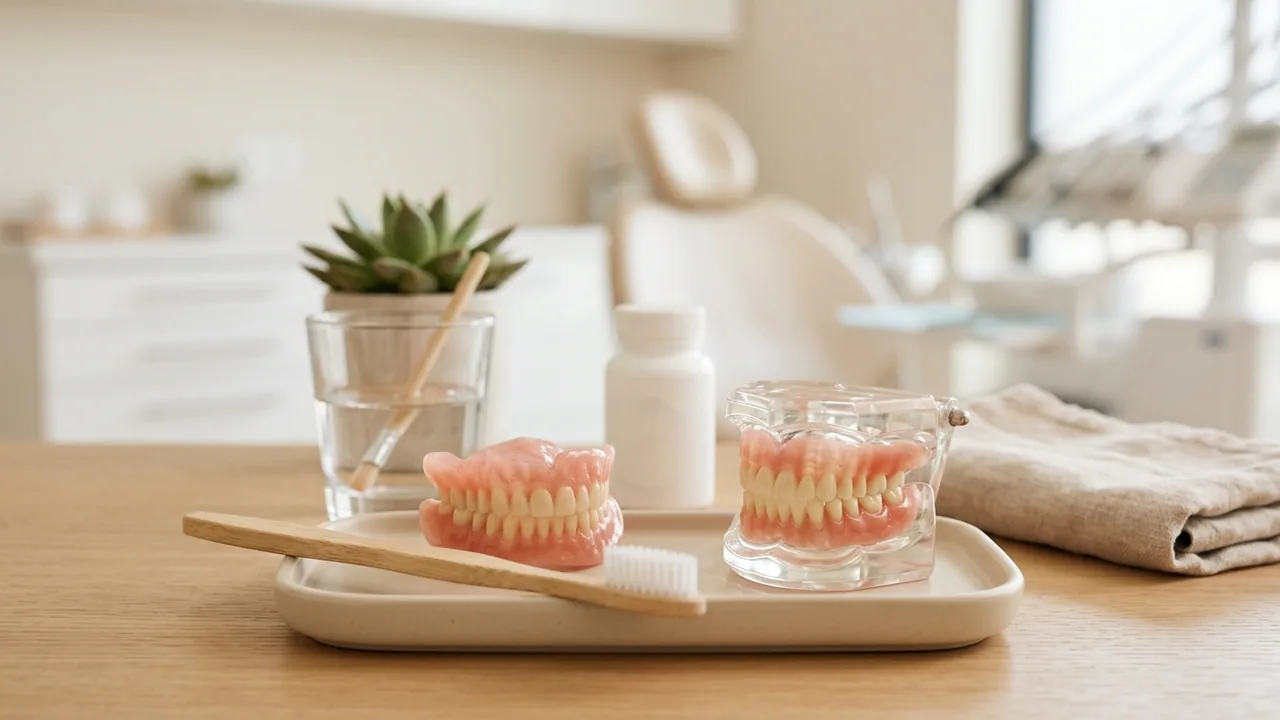
- Remove the denture after each meal, rinse off food debris under running water, and gently brush all surfaces with a soft-bristled denture brush.
- Avoid using regular toothpaste, as its abrasive particles can scratch the denture surface; use a dedicated denture cleanser instead.
- Remove your denture at night before sleeping and soak it in plain water or a specialist denture-soaking solution, giving your gums time to rest.
- Clean dentures over a basin filled with water to cushion any accidental drops and prevent breakage.
- Also clean any remaining natural teeth, gum tissue, and the tongue to maintain overall oral hygiene.
When to Seek Adjustment or Relining
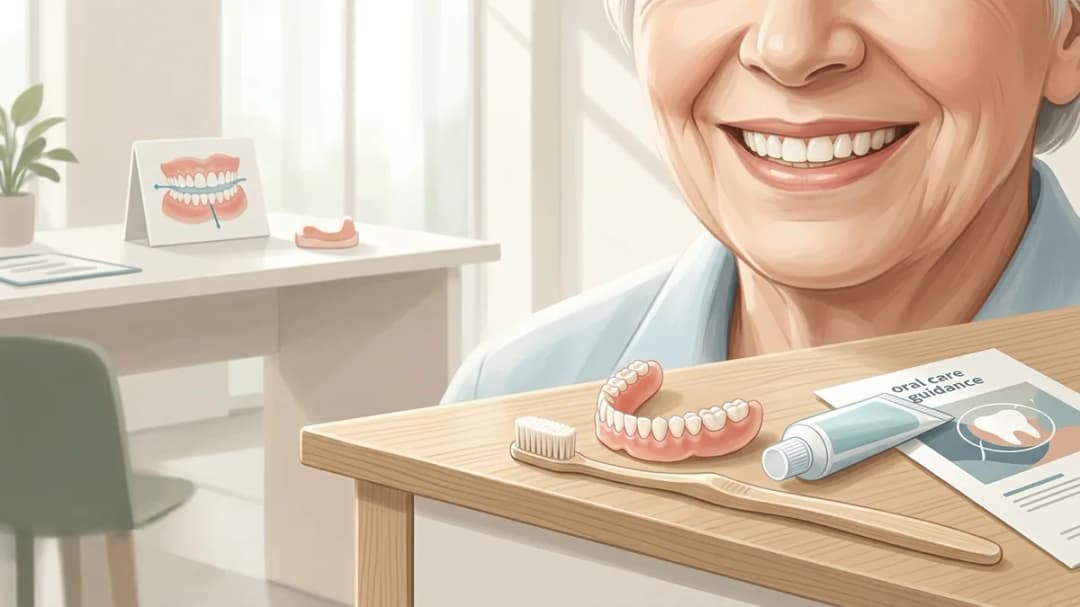
A removable denture is not a permanent fixture that never needs attention. Because the jawbone continues to change over time, regular check-ups with a dentist are advisable. Seek an appointment promptly if any of the following occur:
- The denture feels noticeably loose, shifts during chewing, or falls out.
- The gum develops persistent pain, redness, swelling, ulcers, or a chronic pressure sore.
- The bite feels uneven, with excessive force concentrated on certain spots when eating.
- The denture shows cracks, a broken artificial tooth, or a distorted base.
A dentist can improve fit and chewing comfort through relining, bite adjustment, or replacing the denture. For more detail on restorative options, visit our Prosthodontics article category to explore how different cases are managed.
How to Adapt During the Initial Wearing Period
Whether a denture is newly made or has just been adjusted, it takes time to get used to. Older adults can ease the process gradually:
- Start with softer foods cut into small pieces, then slowly introduce firmer foods as you become more comfortable.
- Try to chew on both sides simultaneously to avoid the denture tipping up on one side.
- If speech feels slightly unclear at first, practise reading aloud to help the tongue and oral muscles adjust.
- If there is a specific persistent sore spot, do not attempt to trim the denture yourself — note its location and let your dentist deal with it.
Patient encouragement and support from family members can make a real difference in helping an older adult build confidence with their dentures. For more oral health information, feel free to browse the Home Dental blog.
Supporting the Overall Oral Health of Older Adults
Chewing function is closely linked to nutritional intake and quality of life in older adults. Alongside denture care, it is equally important to monitor the health of any remaining natural teeth and gum tissue, and to attend regular oral examinations so that problems can be identified early. The specific adjustment approach and associated costs will vary depending on individual circumstances, and a thorough assessment by a dentist is recommended.
If an older family member is experiencing chewing difficulty or gum discomfort with their removable dentures, you are welcome to message Home Dental on WhatsApp to book an assessment, or visit us at our Causeway Bay or Tsuen Wan clinic — our dentists are here to help examine, adjust, and restore comfortable chewing.