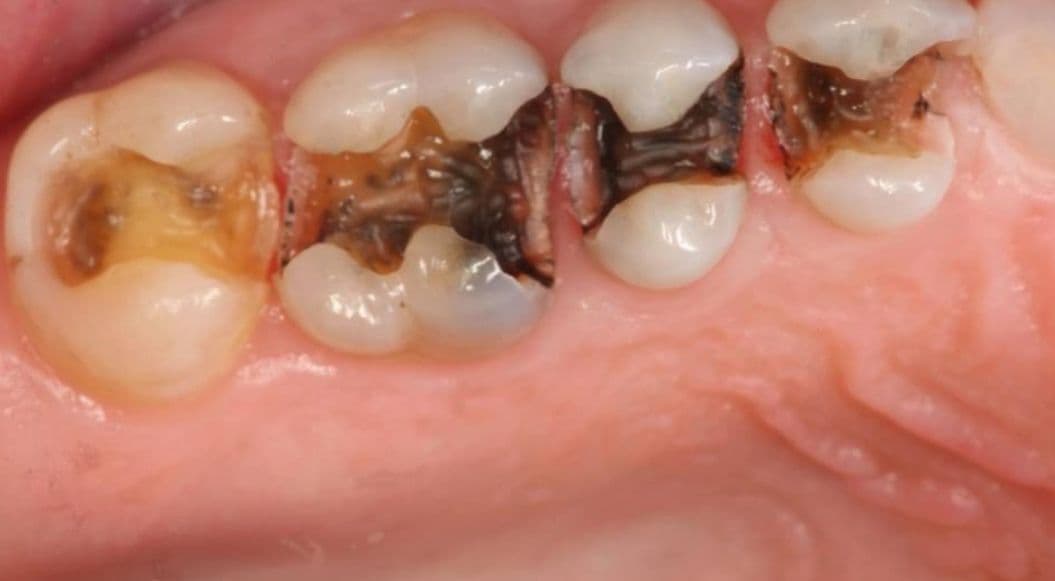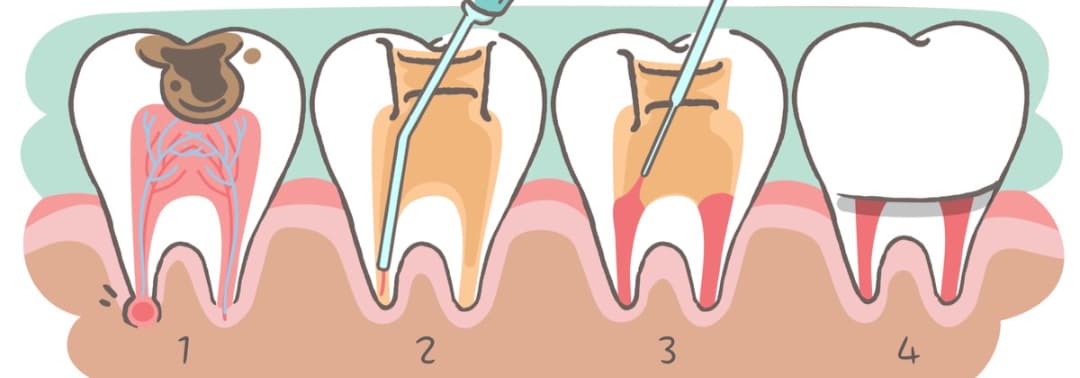
Faced with the unknown, people always feel uneasy and fearful. When a dentist recommends a root canal treatment, most patients are very worried and fearful, and may wonder how much pain they will have to endure. Knowing the treatment methods of root canal treatment in advance can help eliminate the anxiety of the unknown and reduce the anxiety about any dental treatment.
Does root canal treatment hurt?
Local anesthesia is usually given to relieve pain during the procedure. The overall treatment experience and pain level are similar to those of general dental fillings. However, root canal treatment usually takes longer than that of other dental procedures, because it involves cleaning the pulp and repairing the tooth structure.
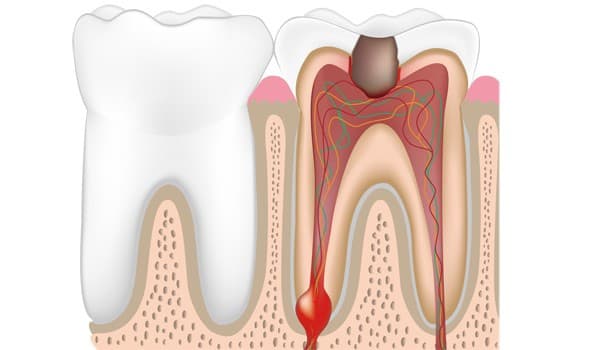
The general treatment process is as follows:
1. Anesthesia: At the beginning of the treatment, topical anesthesia gel is first applied to the gums around the teeth to temporarily numb the area, and then an anesthesia needle is administered for local anesthesia.
2. Isolate the teeth: When the anesthesia starts to work, place a barrier clip and a dental barrier around the teeth to provide a good isolation and clean treatment area for the teeth, and isolate the saliva and bacteria in the oral cavity from the teeth to be treated.
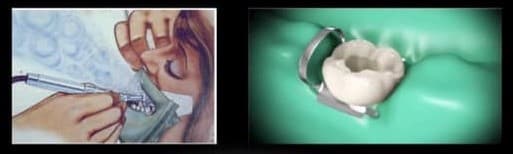
3. Clearing the infection: Using a specially designed dental tool such as a root canal file to remove the pulp along with the infected tissue so that the tooth is no longer painful.
4. Root canal modification: measure the depth of the root, and use a root canal file to make appropriate modification and enlargement if necessary to provide space for root canal filling and ensure that the filling can reach the tip of the root.
5. Root canal irrigation: Rinse and disinfect with antiseptic and antibacterial solutions in preparation for root canal filling.
6. Sealing the root canal: A sterile root canal filler is placed and filled with thermoplastic materials to seal the tooth with heat to prevent reinfection. Fiber posts are placed to reinforce the internal structure of the tooth if necessary.
What happens after the root canal treatment?
- Taking medication: After the treatment, antibiotic medication prescribed by your dentist is required to prevent any infection in the treated area.
- Mild discomfort: There is usually some discomfort after the treatment is completed, which will subside as the gums and affected teeth recover.
- Careful protection: Newly restored teeth will not be as strong as they used to be and must be protected with braces for complete restoration. Before getting braces on, you should use your teeth with extreme care and don't bite hard objects.
Post-operative care of the treated tooth
The purpose of the root canal treatment is to protect the true teeth and prevent the spread of infection. Here are some post-operation care tips and precautions:
- Do not eat with the treated tooth, and choose food to avoid anything that requires chewing with the newly restored tooth.
- Wait until the anesthesia disappears before eating to avoid biting yourself.
- Do not bite or chew with your newly restored teeth until they are covered by a dental crown to prevent damage to your newly restored teeth.
- Brush and floss daily to maintain oral health and prevent inflammation or infection in the treated area.
- If there is any throbbing or swelling, consult your dentist as soon as possible.
Although root canal treatment is not 100% pain-free, the use of local anesthesia during the operation can make you not feel any pain, and the discomfort during the treatment is generally tolerable. Therefore, do not delay treatment because of fear of pain, miss the opportunity to save your teeth, as in doing so you may need more treatments to fix the problem in the future.
When the tooth decay is serious but you want to keep the original tooth, as long as the tooth condition permits, root canal treatment will be an alternative to tooth extraction. If you have any doubts about root canal treatment, please contact your trusted family dentist.
Root canal treatment is done under local anaesthetic and feels much like a normal filling, just longer. For the treatment steps and aftercare, refer to our root canal treatment service.