Dental implants are one of the most common options for restoring missing teeth, and many people wonder what to expect ten or even more years after placement. In reality, implants are not a "fit and forget" solution — their long-term performance is closely linked to oral hygiene, lifestyle habits and regular dental visits. This article looks at the key aspects of long-term implant maintenance to help you set realistic expectations.
Implant Structure and the Concept of Long-Term Lifespan
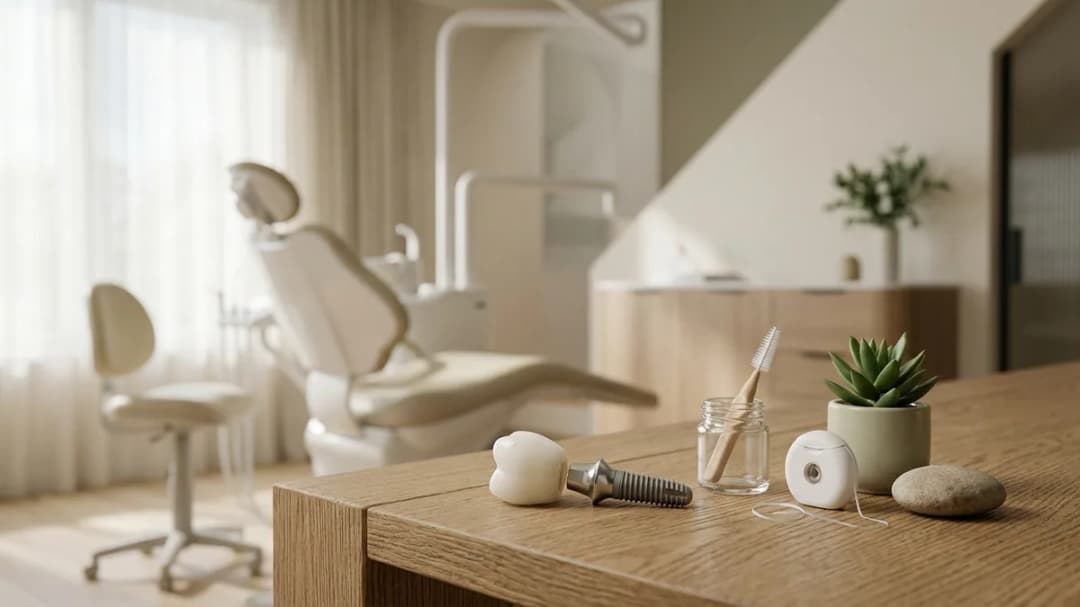
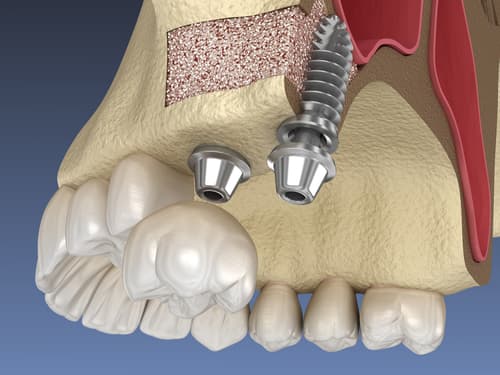
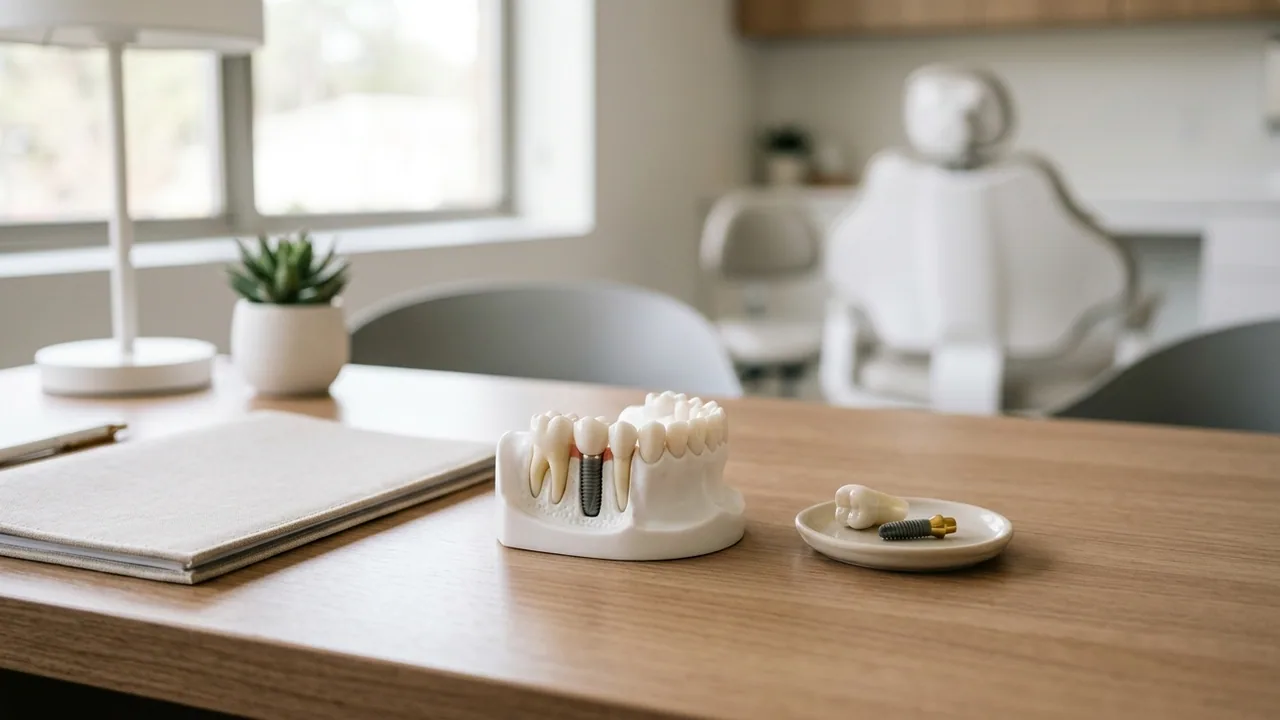
A complete dental implant typically consists of three parts: the artificial root (the implant fixture) embedded in the jawbone, a connecting abutment, and the crown on top. The fixture is usually made of titanium, which fuses with the surrounding bone to provide stable support. With proper care, the fixture itself can last for many years, while the crown and other upper components may eventually need replacing due to long-term wear from biting and chewing.
It is important to note that the actual lifespan of an implant varies from person to person and is influenced by a range of factors, including oral hygiene, bite condition, smoking and overall health. No fixed timeframe can be guaranteed.
Common Changes After Ten Years
Over time, the tissues surrounding an implant may undergo certain changes. Common occurrences include:
- Slight gum recession, exposing the junction between the fixture and the crown
- Surface wear or minor chipping along the edges of the crown
- Loosening of the abutment screw, causing slight movement of the crown
- Inflammation around the implant, known as peri-implantitis
Peri-implantitis is particularly worth monitoring. Similar to gum disease, it can develop when plaque accumulates around the implant over a prolonged period, potentially leading to tissue inflammation and bone loss that compromises the stability of the implant. Early detection and treatment can help keep the condition under control.
Key Points for Daily Care
Although implants cannot develop cavities, the surrounding gum tissue and bone still require careful attention. Recommended daily care includes:
- Brushing with a soft-bristled toothbrush twice a day, paying particular attention to the junction between the crown and the gum line
- Cleaning the areas between implants and adjacent teeth using dental floss, interdental brushes or a water flosser
- Avoiding habitually biting hard objects with the implant, such as ice or hard shells
- Quitting smoking to reduce the risk of peri-implantitis
If you also have natural teeth, maintaining overall oral hygiene is equally important, as the condition of the gum and bone can affect surrounding teeth and implants alike. For more information on gum care, please visit our dental blog.
Regular Check-Ups and Professional Maintenance
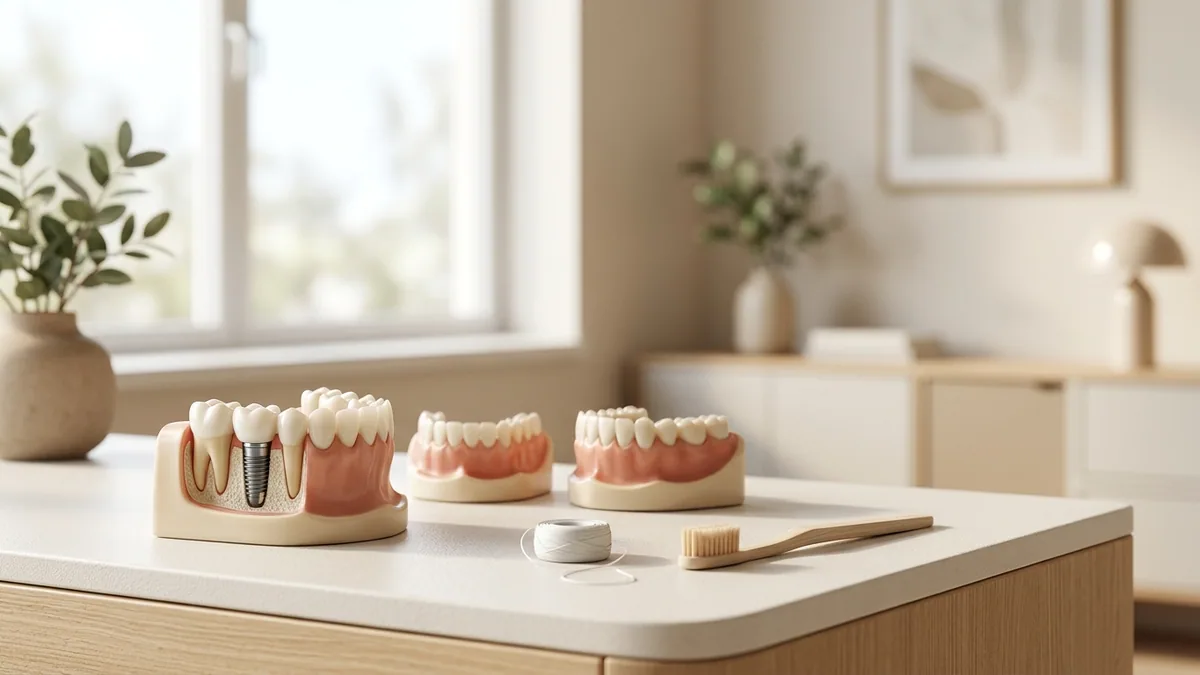
Regular check-ups are a crucial part of keeping dental implants stable over the long term. Your dentist will examine the gum condition around the implant, assess whether the bite is functioning correctly, and arrange X-rays where necessary to evaluate bone levels around the fixture. Professional cleaning can also remove plaque and tartar that daily brushing cannot reach, reducing the risk of inflammation.
The recommended frequency of check-ups depends on each individual's oral condition — some patients may require more frequent follow-up visits. If you notice a loose crown, bite discomfort or persistent gum redness and swelling, you should seek professional advice promptly rather than waiting to see whether it resolves on its own.
Addressing Issues Promptly to Extend the Useful Life of Your Implant
When minor problems arise with an implant, early treatment is generally straightforward. For example, a loose screw can be re-tightened, a worn crown can be replaced, and early-stage peri-implantitis is more manageable at the outset. Conversely, delays can allow problems to progress to bone loss, making future restoration considerably more complex. Establishing a habit of regular check-ups helps identify potential issues at an early stage. For more information on dental implants, please browse our implant articles.
Find Out About the Condition of Your Implants Today
Whether your implants have been in place for many years or you are currently considering treatment, regular check-ups and proper maintenance are an essential part of keeping your mouth healthy. Home Dental has clinics in Causeway Bay and Tsuen Wan. Message us on WhatsApp to get in touch or book a consultation, and let our dentists assess your individual situation.
How long an implant lasts depends a great deal on regular reviews of the gum and bone around it. If your implant has been in place for some time, see the long-term follow-up arrangements in our dental implant service.