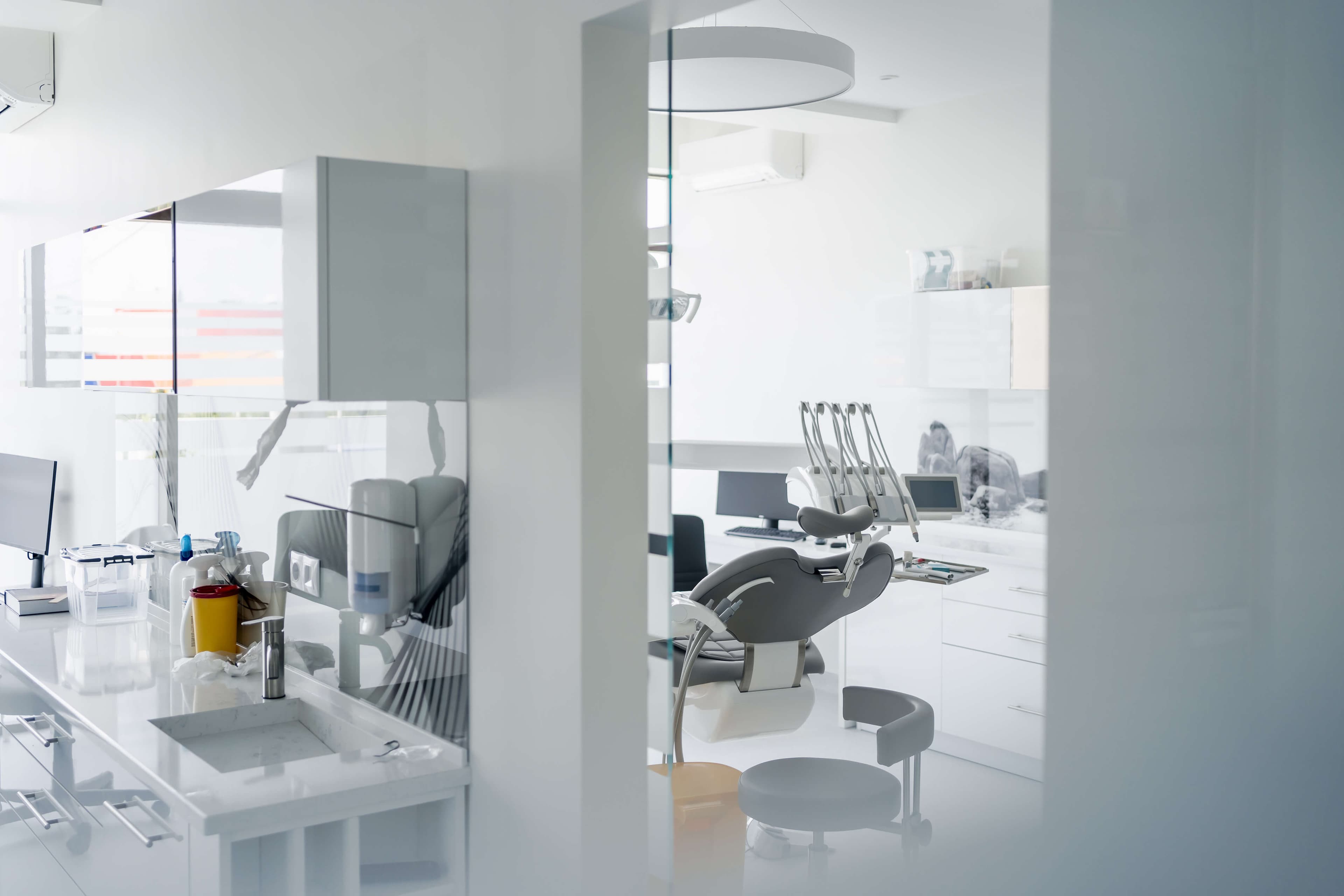
In the dental world, most patients can also be well cared for in clinics or dental centres. However, in some cases, it may be necessary to arrange for a specialist dentist to take the patient to a private hospital to complete a certain part of the treatment. Today we will introduce three major categories of patients who require dental treatment being done in the hospital.
1. Patients requiring general anesthesia
Dental procedures performed in hospitals can be divided into two categories, those that are performed during the day with immediate discharge, and those that require overnight hospital care. Anesthesia methods can also be divided into local anesthesia, monitoring anesthesia and general anesthesia.
Doctors generally decide which method of anesthesia to use based on the complexity of the surgery and the comfort of the patient.
If the patient needs to remove some wisdom teeth that are relatively close to the nerve line or buried deeper, or to remove some large benign tumors, they may still feel uncomfortable when receiving local anesthesia in the dental centre, especially surgery may take a long time to complete.
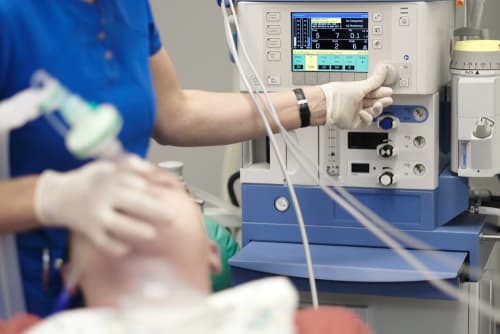
To make the patient as comfortable as possible, the attending dentist may recommend general anesthesia, which allows the patient to perform treatment without feeling and consciousness. Private hospitals generally have relatively complete facilities to assist doctors to safely complete general anesthesia. Therefore, the dentist in charge of the operation sometimes recommends completing the relevant dental treatment for the patient under general anesthesia in the hospital operating room with an anesthesiologist.
2. Manage patients with complex or severe inflammation and infection
We sometimes encounter patients with complex medical history requiring dental treatment, such as patients with coagulation problems or other existing physical problems such as those related to the heart and kidneys. If serious complications arise during dental treatment, the patient can bleed profusely, or the heart stops beating, which can be fatal.
In addition, some patients do not seek medical assistance due to other illness, resulting in tooth inflammation or spread of infection. The more common symptoms are swollen face and neck, and sometimes even having breathing difficulties.
Therefore, after assessing the relevant risks, the attending dentist may recommend taking the patient to the operating room of a private hospital to complete the higher-risk part of the treatment. Due to the relatively complete supporting facilities and various emergency equipment in private hospitals, in the unfortunate event of a complication or a critical situation of dyspnea, the relevant surgeons can also handle it more effectively and in a more timely manner to ensure the safety of the operation.
3. Patients undergoing cheek and jaw surgery
In addition, if the scope of dental surgery goes beyond the position of the teeth and bones, for example, it involves trimming the cheekbones and jawbone, the average operation time is more than 4 to 6 hours. For patients who require more complex procedures, they are often treated with deep anesthesia until they become stable after hospitalization.
The more common surgeries include orthognathic surgery, which can be understood as surgery to reshape the face of the jawbone. Many people would think that this is a kind of cosmetic surgery, so it is not much different from plastic surgery. In fact, although the goal of orthognathic surgery is to improve the appearance, the oral and maxillofacial surgeons also pay attention to the patient's occlusal function during the operation.
The entire treatment plan focuses on occlusion to improve problems such as severe inversion, chin length, and protruding lips. In many cases, an orthodontist is required to participate in a longer course of the treatment.

Have concerns about your budget?
There are many patients who are concerned about the higher cost of dental procedures in private hospitals, especially it not only involves the doctor's fee, but also the operating room fees and other inpatient miscellaneous charges.
Therefore, some patients choose to consult a relevant specialist dentist in a private clinic or dental centre first, and then the relevant dentist can arrange for the higher-risk part of the treatment plan, such as the part of complex surgery, to be carried out in the hospital. The clinic or dental centre will schedule follow-up visits to complete the remaining lower-risk treatment parts at a lower cost. This hybrid model often allows patients to control their budgets more effectively.
In the next article, we will introduce the process and time required for patients undergoing cheek and jaw surgery. If you have any questions, please consult your trusted family dentist.
For cases needing sedation or general anaesthesia, whether treatment takes place in a licensed day procedure centre or a hospital depends on the treatment and your health. To see how sedation and anaesthesia are arranged, refer to our monitored dental sedation service.