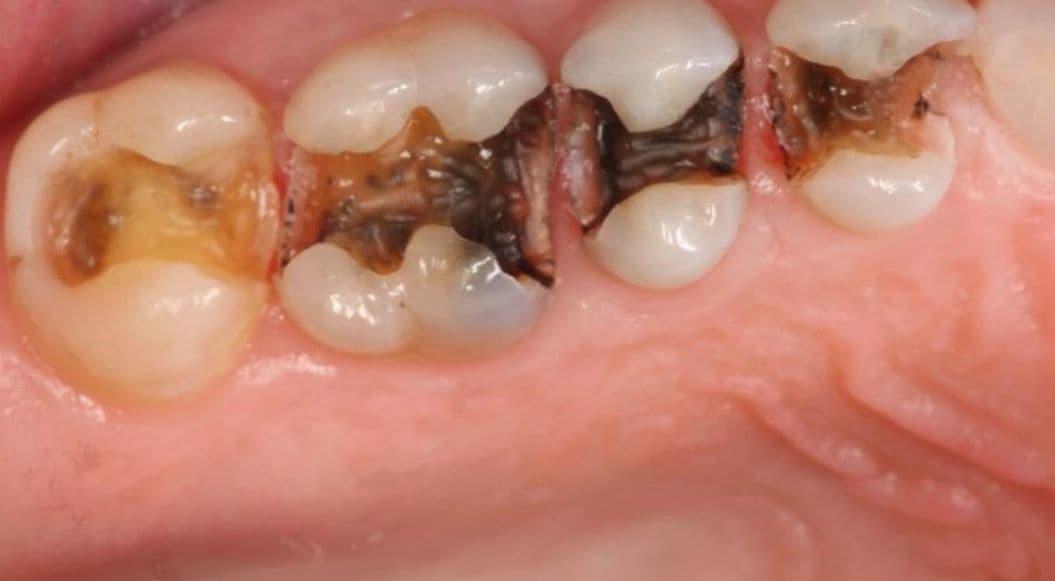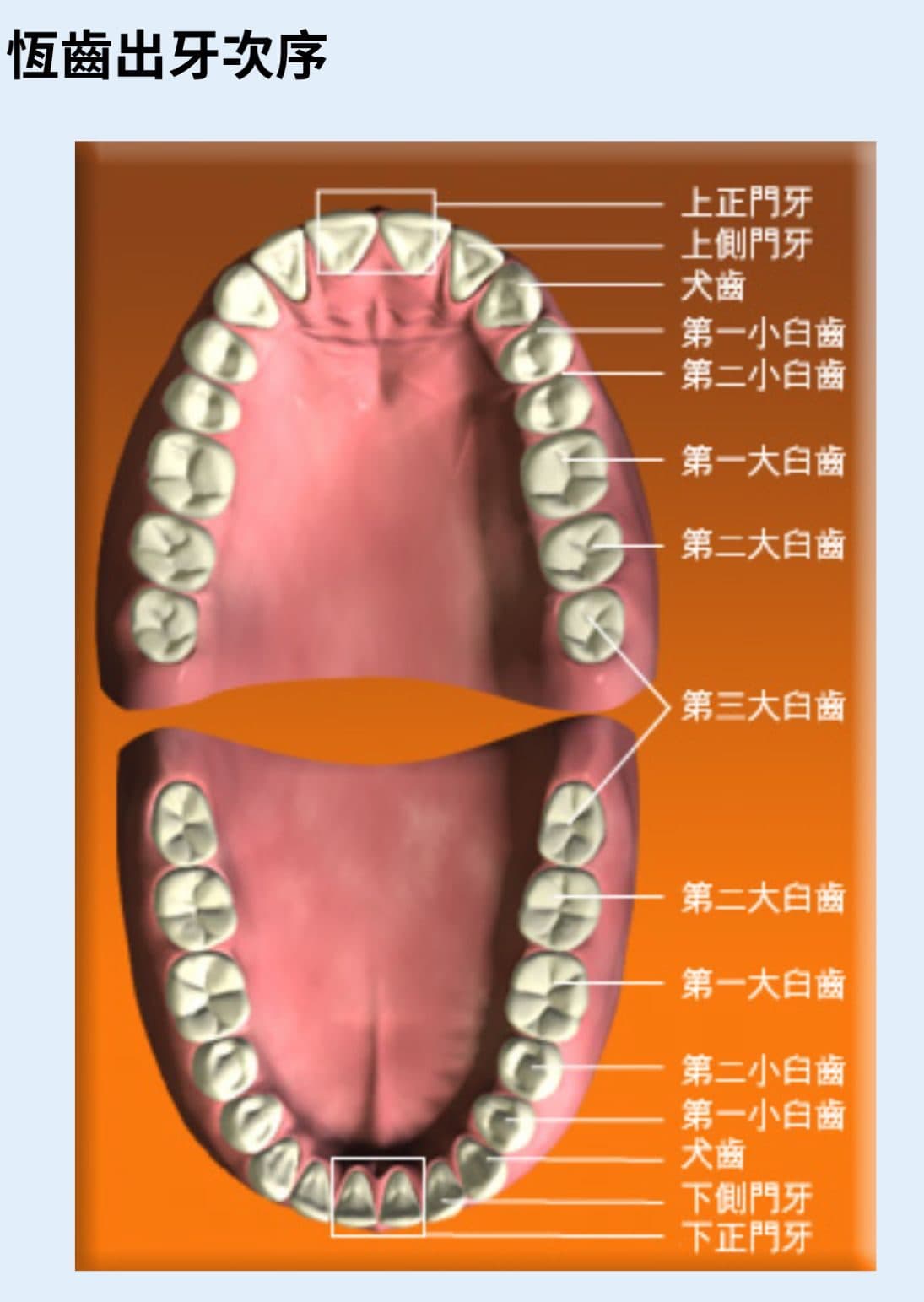
From time to time, parents may find that their children's teeth have black spots that cannot be brushed away, and the first thing they can think of is tooth decay. As we all know, tooth decay usually brings a dark cavity, and tooth decay is indeed a common oral problem among the children. However, black spots on teeth are not necessarily caused by tooth decay, as bacteria can also form black spots and produce black pigment on teeth. This "external cause" pigmentation problem usually occurs in children's milk teeth.
What are "chromogenic bacterial stains"?
The environment of the oral cavity is conducive to the reproduction of bacteria. There are more than 20 billion bacteria spread on the teeth, tongue and the lining of the oral cavity, and the color-producing bacteria that can form stains can cause pigmentation on the surface of the teeth.
Both permanent and milk teeth can have dental pigmentation problems, but it is more common in milk teeth. There may be black lines and a few spots on the surface of the teeth on the upper edge of the gums of children. Generally, they cannot be removed by brushing their teeth. Even if they go to the dental center to have their teeth cleaned and scraped, they may form tooth stains again very soon.
Why do teeth appear pigmented?
The pigments of chromogenic bacteria stay on the surface of the teeth and cause tooth pigmentation, which can produce different color stains for different reasons, usually black (chemical reaction with saliva iron), orange or green. A variety of dentin and oral hygiene conditions can quietly create an environment of oral bacteria breeding grounds that favor color-producing bacteria, including:
1. Tooth surface factors – The tooth surface itself is rough and the teeth are not aligned, which makes it easy for food residues to adhere to the teeth.
2. Insufficient saliva secretion – Body constitution often varies from person to person. Some children’s bodies produce saliva with high concentration, slow flow rate and small amount, which may prevent saliva from cleaning the mouth naturally, and the pigment tends to settle down.
3. Problems with eating habits – children eat too many high-pigmented foods on weekdays or for a long time, such as eating sweet, sticky, colored foods, and even traditional Chinese medicine, which may also cause pigmentation of children's teeth.
4. Poor oral hygiene – poor cleaning habits for a long time, not brushing, gargling or drinking water in time after eating colored food, so that the pigment stays on the surface of the teeth and turns black.
How to deal with tooth stains?
Parents do not need to worry too much about the problem of tooth stains to their children. As the child grows, the type of oral bacteria changes, and as the permanent teeth grow in, the color-producing bacterial stains decrease. If you want to improve your child's tooth stains, you can help your child establish good oral care habits, which are set out below:
1. Good eating habits: If the teeth are stained by external factors, you can start to improve your eating habits. Avoid eating sticky and colored foods and drinks, such as chocolate biscuits, tea, coffee, chocolate drinks, orange soda, etc.
2. Brush your teeth with toothpaste: Brush your teeth carefully two to three times a day to remove bacteria that cause stains to build up in your mouth. Toothpaste is required when brushing, but no special whitening toothpaste is required.
Unconsciously turning into a mouth full of black teeth can cause very serious cosmetic problems for children as they may feel embarrassed about their teeth. Parents should recognize color-producing bacteria as soon as possible to help their children prevent the formation of tooth stains and give them a beautiful and confident smile in their childhood!
When in doubt, consult your trusted family dentist.