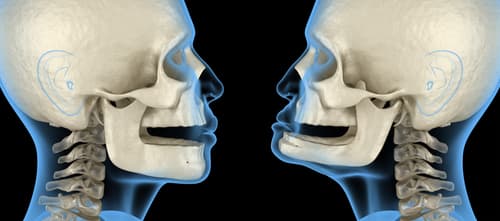
Our daily life is sometimes dangerous and full of unexpected situations. Even if we accidentally fall, there is a chance of causing serious trauma. Let me share a case. The patient is a young man who accidentally fell down the stairs one day. His left jawbone was hitting the corner of the stairs. With severe pain, he rushed to the hospital for medical treatment. After examination, the doctor found that the patient's mandible was broken.
Need to find a dentist?
It was just in a matter of seconds that an accident happened. Although the patient knew that his jawbone was broken and required surgery, the waiting time at the hospital was long and there was no surgeon present, so the patient chose to apply for discharge and seek other medical assistance. In the end, a dentist who specializes in oral and maxillofacial surgery (OMFS) met him and provided him with treatment.
What is the diagnostic process like?
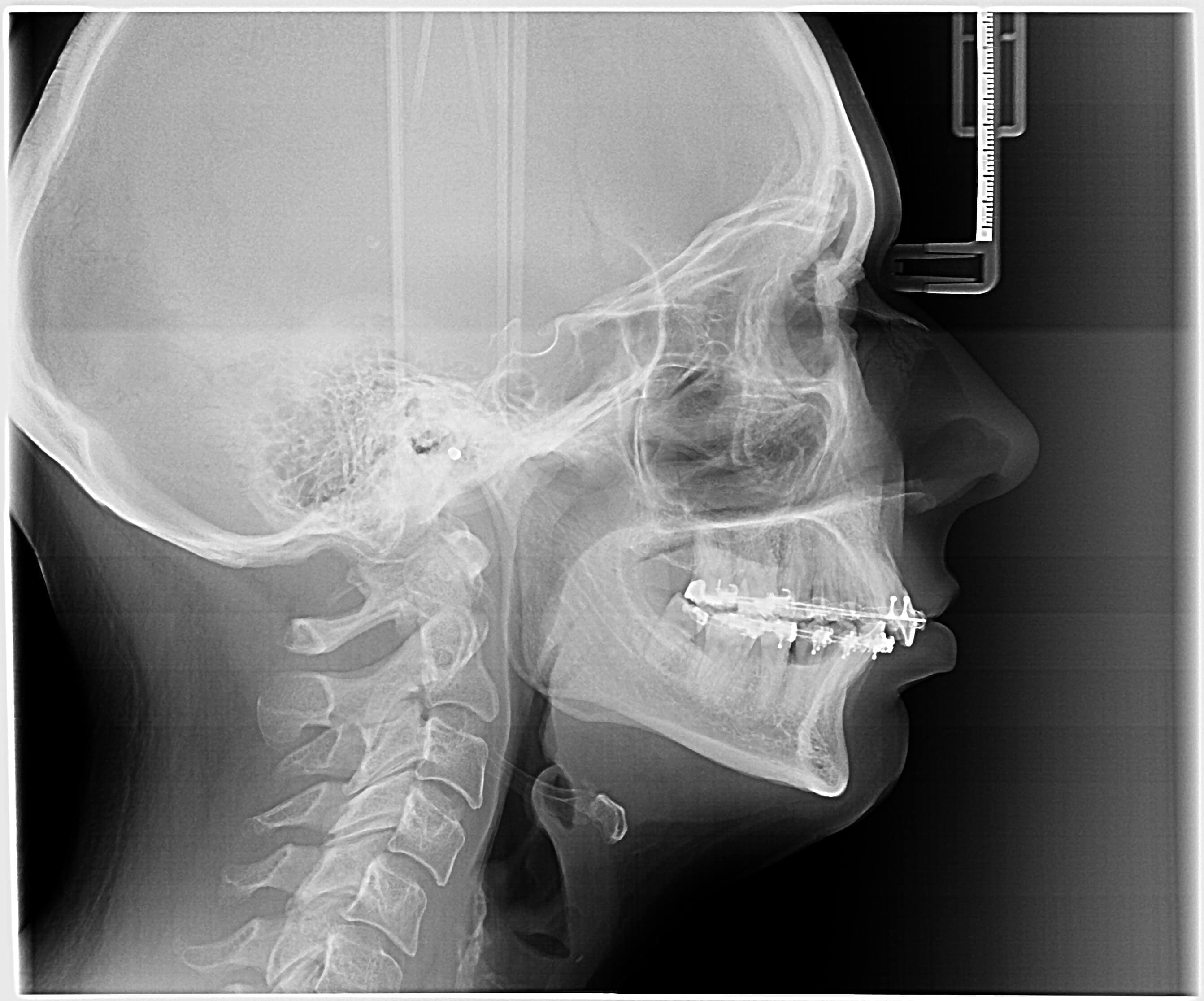
Because the accident happened at night, it was the second day when the patient came to the dental center for consultation. By taking X-rays and 3D computed tomography scans (CBCT), the specialist in OMFS knew where the jawbone was broken and where were the affected teeth, analyze the distribution of fractures and formulate a treatment plan.
Mandibular fractures do not require immediate surgery. Usually, the patient can go home to recuperate and undergo surgery in a few days. At that time, the doctor immediately decided to arrange hospitalization four days later to perform surgery under general anesthesia. Open reduction and internal fixation (ORIF) were used to help the bones return to their original position and heal.
Two types of jaw fractures?
There are two main types of jawbone fractures.
The first type is traumatic fractures, which include traffic accidents, sports injuries, bodily collisions, chin bumps during a fall, or side-to-side collisions.
The second type is pathological, such as osteonecrosis or intraosseous tumor, which may erode the jawbone and break the jawbone.
The cases mentioned above belong to the first type of traumatic fractures. The more common traumatic facial fractures include nasal bone fractures, zygomatic fractures, maxillary fractures, mandibular fractures, orbital floor fractures and pastern fractures.
In fact, facial fractures are not just one fracture, but comprise more complex multiple fractures. For example, with a fractured jawbone, there is a chance of multiple fractured sites.
Next time we'll go into more details about how a specialist dentist performs a traumatic fracture restoration and what to look out for after the surgery.
If you have any questions, please ask your trusted family dentist.