In consultations for upper jaw dental implants, the common challenge of inadequate bone height often arises, presenting a hurdle in placing dental implants. Hence, sinus lift surgery may be recommended to expand the space for bone growth.
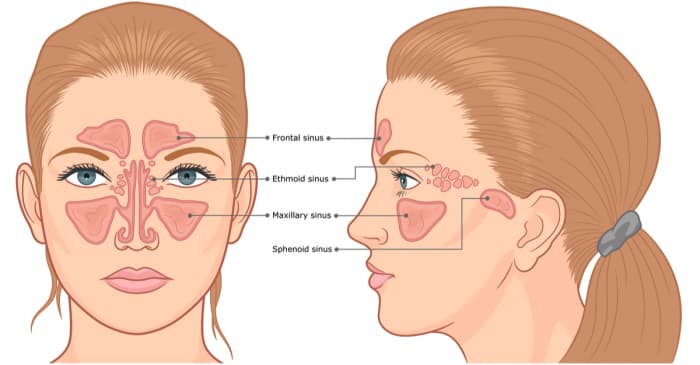
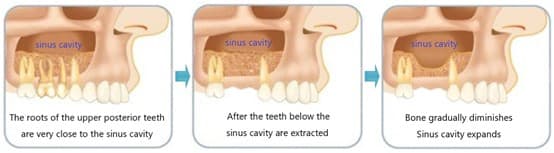
The maxillary sinus, situated above the upper jaw molars, poses a concern when these teeth are missing, as the bone gradually diminishes over time, leading to the enlargement of the sinus cavity. To create more space for bone, the sinus membrane is lifted upward through surgical intervention, thereby increasing the bone volume in the upper premolars and molars area, significantly enhancing the success rate of maxillary dental implants.
When should sinus lift surgery be considered?
Sinus lift surgery is typically necessary when there is insufficient bone volume in the upper jaw, the sinuses are too close to the lower jaw, or when dental implants are required.
1. Missing Upper Teeth
In the cranial bone structure, the bone volume in the posterior region of the upper jaw is often less than that in the lower jaw. When individuals are missing upper teeth, especially molars, it is common to have insufficient bone volume to support dental implant placement.
2. Long-Term Tooth Loss
After teeth are lost, the body absorbs nearby bone, resulting in bone loss. When teeth have been missing for an extended period, there is often insufficient bone volume to support dental implant placement.
3. Gum Disease
Gum disease can lead to bone loss, affecting the supporting structure of the teeth and making the surrounding bone unstable, which is unfavorable for successful dental implantation.
4. Proximity of Maxillary Sinus to Upper Jaw
The size and shape of the maxillary sinus vary from person to person and tend to increase in size with age. However, if the maxillary sinus is too close to the upper jaw, it may not provide sufficient space for the placement of dental implants.
What is the procedure for a sinus lift surgery?
Before performing a sinus lift, the dentist will arrange for X-rays to be taken to understand the condition of the lower jaw and sinuses. Further computed tomography (CT) scans allow the dentist to more accurately assess the height and width of existing bone and confirm the health of the sinuses. Based on the X-rays and CT scans, the dentist will determine whether to perform a direct sinus lift or an indirect sinus lift based on the height of the upper jawbone.
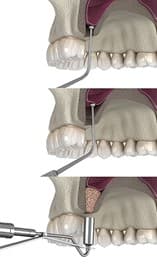
1. The typical procedure for a sinus lift is as follows:
2. Make an incision and lift the tissue around the premolars.
3. Push the sinus membrane away from the jawbone.
4. Fill the space in the upper jaw with bone graft material.
5. Suture the tissue back together.
6. Remove the stitches approximately one week after surgery.
Following a sinus lift surgery, swelling and bleeding are normal occurrences, but fortunately, most patients only experience mild pain and discomfort. Additionally, it is recommended to take the following care measures after surgery:
• Avoid blowing your nose forcefully and sneezing vigorously.
• Take antibiotics prescribed by the doctor to prevent infection.
• Rinse your mouth with antibacterial mouthwash.
In the months following the surgery, the dentist will continue to monitor the healing process and determine when dental implant surgery can be performed. In some cases, sinus lift surgery and dental implant surgery can be performed simultaneously.
With more and more people opting for dental implants to replace missing teeth, sinus lift surgery has become a common procedure. Before considering dental implants, it is advisable to learn more about sinus lift surgery. If you have any questions or concerns about sinus lift surgery or the implant process, be sure to discuss them in detail with your trusted family dentist. They will be able to offer professional advice and assist you in making the best decision.