What Is “Braces Failure”? Myths and Full Explanation
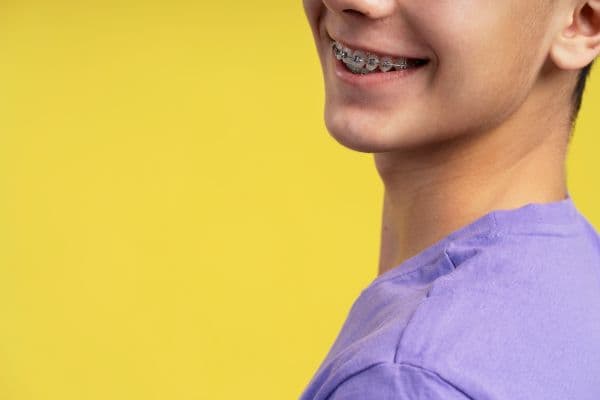
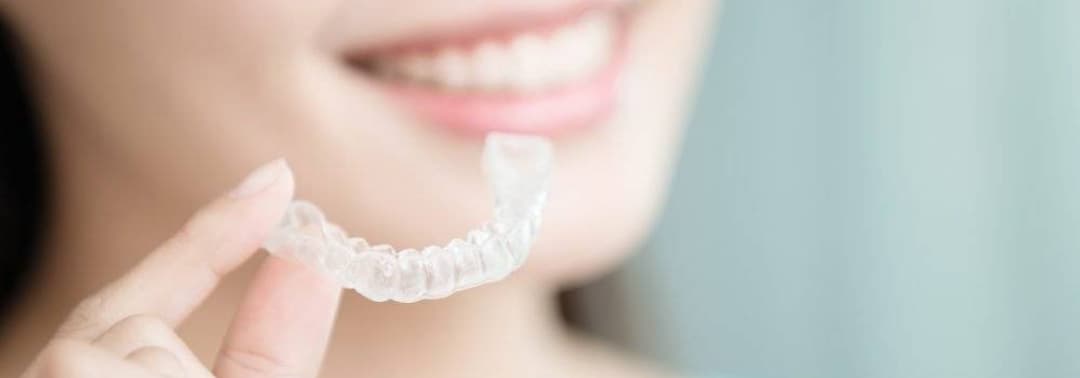
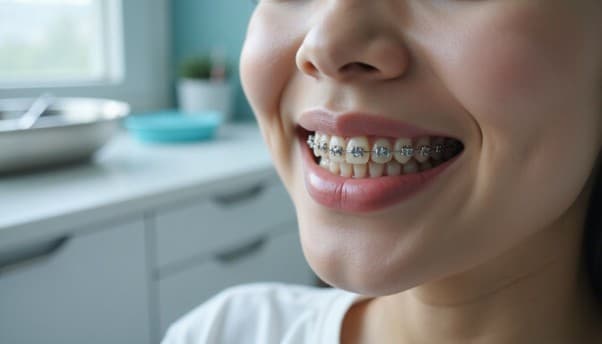
In Hong Kong, the term "braces" is deeply ingrained in the public mindset, and many casually refer to it as “braces.” Whether it’s traditional metal braces, ceramic brackets, or the increasingly popular invisible aligners (such as Invisalign), all these fall under the umbrella of orthodontic treatment. However, many patients or parents mistakenly believe braces are only for aesthetic improvement — to straighten teeth and enhance one’s smile — overlooking that orthodontics is a complex medical process involving biomechanics, skeletal changes, and long-term cooperation.
That’s why the success of orthodontic treatment goes far beyond simply “lining up the teeth.” If errors occur in diagnosis, communication is lacking, or patients fail to comply, it may lead to what’s known as braces failure — unsatisfactory results, side effects, or even worsening oral health.

Common Myths About Braces Failure
Myth 1: Neatly aligned teeth mean successful treatment.
False. While neat alignment is visible, success should also include: stable bite function, no long-term discomfort, healthy gums and jawbone, clear speech, and efficient chewing.
Myth 2: “braces” means using invisible aligners.
In Hong Kong, “braces” is a casual term referring to all types of orthodontics, not just Invisalign. Equating “braces” with invisible aligners is a misconception that may mislead patients in treatment decisions.
Myth 3: Braces fail because the doctor isn’t skilled enough.
Not entirely true. Orthodontics is a collaborative medical process. While professional expertise is crucial, patient compliance — such as wearing aligners properly, maintaining oral hygiene, and attending check-ups — is equally important.
Definition and Warning Signs of Braces Failure
Braces failure can be categorized into three types:
-
Treatment-abandonment failure: The patient stops the treatment due to pain, disappointment, or other reasons, leading to incomplete tooth movement or relapse.
-
Suboptimal outcome failure: Although the teeth look aligned, issues like unstable bite, poor chewing function, altered facial shape, or gum recession appear after treatment.
-
Relapse failure: Orthodontic results are not maintained long-term, often due to skipping retainers or insufficient retention design.
These problems may affect appearance and cause damage to periodontal health. In serious cases, patients may require a second round of orthodontic treatment or corrective procedures like implants or jaw surgery. Understanding these failure types and early signs is crucial for every patient in Hong Kong considering braces.
Common Types and Causes of Braces Failure
Type 1: Facial Aesthetic Compromise
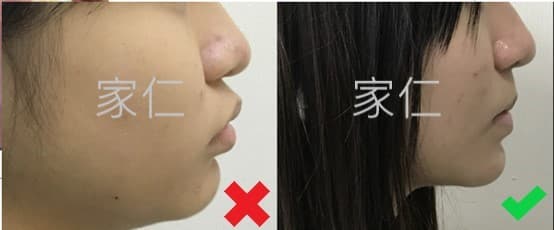
Some patients end up with an unnatural appearance — sunken lips or pointy chin — due to excessive retraction of teeth without considering facial balance. Often caused by overzealous tooth extraction or poor treatment planning.
Type 2: Occlusal Dysfunction
Straight teeth ≠ proper bite. Symptoms like asymmetric chewing, TMJ pain, or headaches may indicate bite misalignment due to force direction errors or undiagnosed skeletal asymmetry.
Type 3: Tooth Mobility / Root Resorption
Excessive orthodontic force or prolonged treatment can shorten roots or cause bone loss, leading to loose teeth or even tooth loss.
Type 4: Periodontal Breakdown
Patients with poor hygiene or existing gum disease risk worsening during orthodontics, leading to gum recession or bone deterioration if not properly evaluated and managed.
Type 5: Post-treatment Relapse
Skipping retainers or poorly designed retention may cause the teeth to shift back. While not always a failure in clinical terms, it causes psychological distress for patients expecting long-term results.
How to Prevent Braces Failure (Key Advice)
-
Choose an experienced and communicative orthodontist
Don’t choose based solely on price. Look for proper training, transparent treatment planning, and open communication about risks and expectations. -
Undergo comprehensive pre-treatment evaluation
Beyond teeth alignment, assess bite function, jawbone condition (via X-rays), gum health, and oral habits like grinding or swallowing patterns. Lack of thorough assessment risks ineffective treatment. -
Follow instructions and stay engaged
Regular check-ups, aligner changes, good hygiene, and wearing retainers are key. Orthodontists aren’t magicians — your commitment matters. -
Watch for early warning signs
Changes in bite, facial shape, pain, or gum bleeding should not be ignored. Seek professional reassessment early. -
Choose treatment based on your individual case
Not everyone is suitable for clear aligners. Extraction or fixed braces might be more effective. A tailored plan always works best.
Case Study|From Hope to Disappointment: A Realistic Journey
To help readers understand how braces failure occurs in real life, the following case is based on a real patient in Hong Kong. For privacy, all names and some personal details have been changed. The case illustrates misjudged treatment choices, poor communication, the onset of functional and aesthetic issues, and eventual remediation efforts — offering readers a cautionary tale and deeper awareness.
Crystal’s Invisible Aligner Experience
Crystal, a 29-year-old office worker, was dissatisfied with her slightly protruding teeth. She opted for “braces” after a friend’s recommendation, choosing a nearby clinic and requesting invisible aligners based on what she’d seen online.
No detailed X-rays or bite assessments were performed; the doctor visually confirmed suitability and agreed to the plan without discussing tooth extraction. The quick and affordable setup appealed to Crystal, who started treatment immediately.
Problems Arise
While the first three months went smoothly, Crystal began to experience bite instability and speech issues. The doctor dismissed these as “normal” and asked her to continue.
Six months later, she noticed facial flattening and difficulty chewing. A second opinion revealed her teeth had been over-retracted — tooth extraction should’ve been part of the plan. Worse, early root resorption was detected, requiring periodontal care and suspension of aligner use.
Summary of Mistakes
-
Wrong treatment choice: Crystal’s jaw lacked space — clear aligners weren’t ideal without prior extraction.
-
Insufficient evaluation: No X-rays or bite analysis led to a flawed treatment design.
-
Poor communication: Her concerns were brushed off, delaying corrective action.
-
Ignoring red flags: Early signs like facial change and chewing difficulty were warning signs that required timely intervention.
Remedial Options for Braces Failure
-
Retreatment
New planning with fixed or clear aligners depending on jaw and gum health. -
Periodontal and Bone Therapy
Treat any gum disease first before resuming orthodontics or restorative work. -
Orthognathic Surgery
Needed for severe skeletal or bite misalignment cases. -
Restorative Treatments
Implants, crowns, or bridges may be required if teeth are lost. -
Aesthetic & Psychological Support
Facial treatments (e.g. fillers), speech therapy, or counseling may help rebuild confidence.

Learning from Failure: A Safer Orthodontic Future
For anyone considering orthodontic treatment in Hong Kong, know that this is more than aesthetics — it’s a medical journey requiring teamwork, careful selection, and commitment.
While braces failure can be disheartening, with accurate information, proper evaluation, and a pragmatic approach, many issues can be resolved. Most importantly, every mistake is an opportunity to raise awareness and improve decision-making.
Choosing the right dental team isn’t just picking braces — it’s choosing a path toward confidence and long-term health.
If you still have doubts or wish to understand whether your case is high-risk, we strongly encourage you to educate yourself first and seek a consultation with a professionally trained orthodontist. Education is the first step to prevention, and informed choice is every patient’s right.
#BracesFailure #OrthodonticRisks #TeethAlignmentProblems #HongKongBraces #CoolYaExplained #OrthodonticsHK #BiteIssues #AlignerMistakes #BracesSideEffects #PostBracesCare