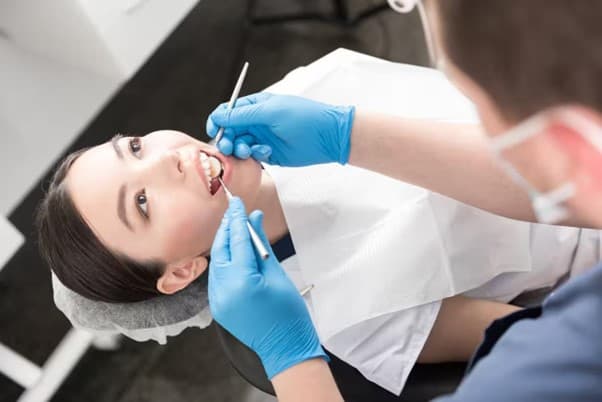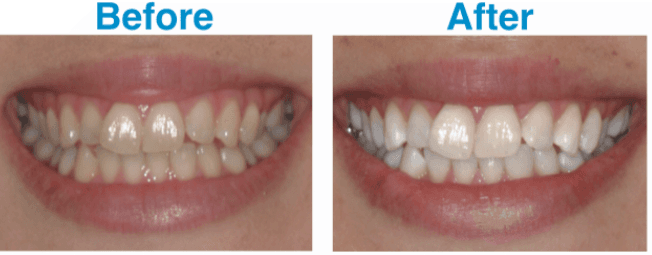
Whitening is trendy. If you want to make your skin white, you can use sunscreen and apply whitening skin care products frequently. However, your teeth are different from skins, you cannot apply some daily care products to achieve the effect of teeth whitening. If your teeth are yellow, brown or even gray, when you open your mouth, no matter how beautiful your clothes are, they will be in vain. Therefore, if you want to remove stains and whiten your teeth, you must use the right method.
Why do teeth discolor?
1. External reasons:
- Diet - Eat foods with pigments such as beetroot, pomegranate or cherries, or beverages such as tea and coffee.
- Smoking - With age, smokers also have tooth staining problems.
2. Internal reasons:
- Congenital Deficiency - Congenital imperfection of enamel, which turns teeth gray, amber, or purple.
- Childhood Trauma - Damage to developing permanent teeth due to trauma in childhood can discolor the teeth due to internal bleeding.
- Stunted growth - Too much fluoride absorbed by the teeth during development can hinder the formation of enamel, resulting in fluorosis on the tooth surface, showing brown or white spots and streaks. In addition, if the mother took tetracycline during pregnancy or before the age of 8, the drug may cause pigmentation, which can cause the child's developing teeth to appear yellow-brown, which is difficult to cure.
- Dental Degeneration - Dental diseases such as cavities or necrosis of teeth can cause discoloration of the teeth.
- Aging Loss - Aging of the body can thin the enamel covering the teeth, resulting in a natural yellowing of the teeth.
If you want to have whiter teeth, you can consider the following methods:
1. Stay white every day
- Avoid stains from diet - Foods and drinks with heavy pigments can stain your teeth, so try to avoid these types of diets as much as possible. If you don't want to quit tea and coffee, drinking through a straw can help reduce the chance of pigments coming into contact with your teeth.
- Rinse with water - Water helps to remove food residues and pigments, and drinking water after eating can help keep your mouth clean and teeth white.
- Do not smoke or drink - Alcohol usually contains pigments, like tea and coffee, drink as little as possible to reduce the chance of tooth staining. Nicotine and tar in tobacco are the triggers for tooth decay and periodontal disease. Years of smoking can cause yellowing of teeth, commonly known as "smoke teeth". If you want to keep your teeth white, you must avoid alcohol and tobacco.
- Brushing and cleaning - Daily attention to oral hygiene and good brushing habits can help to remove surface stains. At the same time, you can use whitening toothpaste to enhance the effect of teeth whitening at home.
- Regular teeth cleaning - The dental cleaning service can deeply clean the pigment and dirt accumulated on the surface of the teeth. Regular inspections can also detect dental problems early, reducing the chance of tooth lesions and discoloration.
2. DIY self-help whitening
- Over-the-counter whitening products - If your teeth cannot be whitened after exhausting all methods, and the discoloration is not too severe, consider using over-the-counter whitening products such as teeth whitening gels, whitening strips or whitening pens. The ingredients and quality of these products vary, and they may not be able to significantly whiten teeth. It is recommended to use brands supported by medical research.
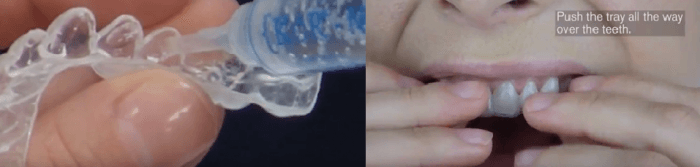
- Dentist guides home whitening - If you want better results, you may wish to check with your family dentist for suitable methods, such as prescribing 3.5% to 6% hydrogen peroxide bleach that you can use at home. The home whitening gel can improve the color of teeth up to 8 to 9 degrees, and it will take effect after half a month at the earliest.
3. Dentist’s professional treatment
- Ceramic crowns or veneers - With full ceramic crowns or replacing part of the enamel with ceramic veneers, it can directly cover the color of the teeth, but pay attention to the relative risks of the treatment.
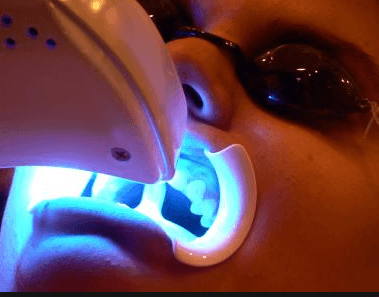
- Blue Light Whitening - Using blue light to increase the oxidation of bleaching agents can instantly whiten and achieve continuous whitening of teeth, suitable for severely discolored teeth. However, if the teeth or lips are sensitive, or if you have received electrotherapy or other reasons and have less saliva, or for pregnant women and still developing children, blue light whitening is not suitable.
![[Blue Light Teeth Whitening in Hong Kong] A Dental Center’s Full Guide to Procedure, Effectiveness & Safety Tips](/_next/image?url=https%3A%2F%2Fuivazhssaweitolfbapb.supabase.co%2Fstorage%2Fv1%2Fobject%2Fpublic%2Fmedia%2F2020%2F02%2F15829583016149.jpg&w=3840&q=75&dpl=dpl_7pS1aTPUbk1CjSuwmdUTSVrBQCCy)