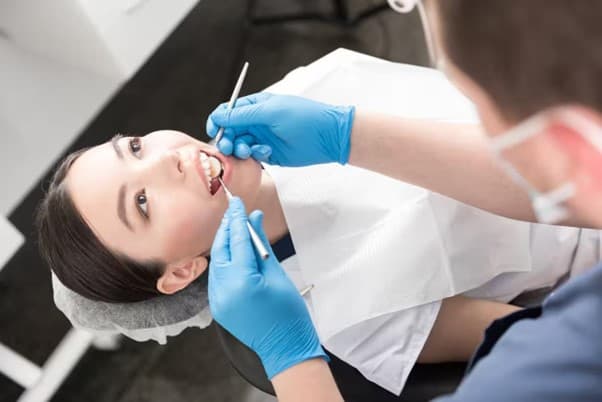
The Ultimate Guide to Interdental Brushes: How Hong Kong Dentists Choose the Best One
Professional Tips & Personal Insights for Optimal Oral Hygiene
Many people brush their teeth twice daily, believing this is enough to maintain oral health. However, even with the best toothbrush, it’s nearly impossible to clean the tiny gaps between teeth, which are the prime locations for plaque and food debris accumulation. If left unchecked, these areas can lead to tooth decay, gum disease, and bad breath.
As dentists, we frequently encounter patients suffering from oral health issues due to insufficient interdental cleaning. That’s why we, too, use interdental brushes as part of our daily oral hygiene routine. In this guide, we’ll share our professional insights on why interdental brushes are essential, how to choose the right one, and the correct usage techniques to help you achieve a dentist-level clean.
Why Do Dentists Use Interdental Brushes?
1️ Toothbrushes Can’t Clean Between Teeth
No matter how advanced a toothbrush is, it cannot reach the tiny gaps between teeth. Even if you brush twice daily, 40% of plaque remains in these hard-to-reach areas, increasing the risk of cavities and gum disease.
2️ Prevents Cavities & Protects Enamel
Food debris trapped between teeth allows bacteria to produce acid, which gradually erodes enamel and causes cavities. This is especially problematic for people who frequently consume sugary, starchy, or acidic foods such as milk tea, soda, or coffee.
3️ Reduces Tartar Buildup
If plaque is not cleaned properly, it eventually hardens into tartar (calculus), which cannot be removed by brushing alone. Instead, it requires professional dental cleaning. Regular use of interdental brushes can significantly reduce plaque buildup and minimize tartar formation.
4️ Prevents Gum Disease
Gum disease often develops silently, and many people only notice it when they experience symptoms like bleeding gums, swelling, or gum recession. By using an interdental brush daily, you can significantly lower your risk of developing gum disease and maintain healthy gums.
5️ Ideal for Braces, Dental Bridges, and Crowns
Braces, dental bridges, and crowns create hard-to-clean areas where plaque and food particles easily accumulate. Traditional toothbrushes struggle to reach these spots, making interdental brushes essential for maintaining oral hygiene in such cases.
✅ Dentist’s Tip: If you’re undergoing orthodontic treatment, using an interdental brush is crucial. Otherwise, by the time your braces come off, you might find cavities or gum recession due to poor interdental cleaning.

How Do Dentists Choose the Best Interdental Brush?
Interdental brush selection varies based on individual needs. As dentists, we consider the following factors when choosing one:
1️ Size Matters
Interdental brushes come in different sizes to accommodate varying gaps:
- For small gaps: Use the finest brush to avoid damaging your gums.
- For larger gaps: Opt for a slightly thicker brush for thorough cleaning.
- For mixed gap sizes: It’s best to use multiple sizes for different areas of the mouth.
✅ Dentist’s Tip: Never force a brush into a gap that’s too tight. This can damage gums and cause gum recession over time.
2️ Choosing the Right Shape
Interdental brushes come in two main shapes:
- I-shaped (straight handle): Ideal for front teeth and easy-to-reach areas.
- L-shaped (angled handle): Perfect for cleaning molars and hard-to-reach back teeth.
3️ Brush Material
- Soft Nylon Bristles: More effective for general users, as they remove debris thoroughly.
- Silicone Bristles: Gentle on sensitive gums, suitable for people with gum disease or sensitivity.
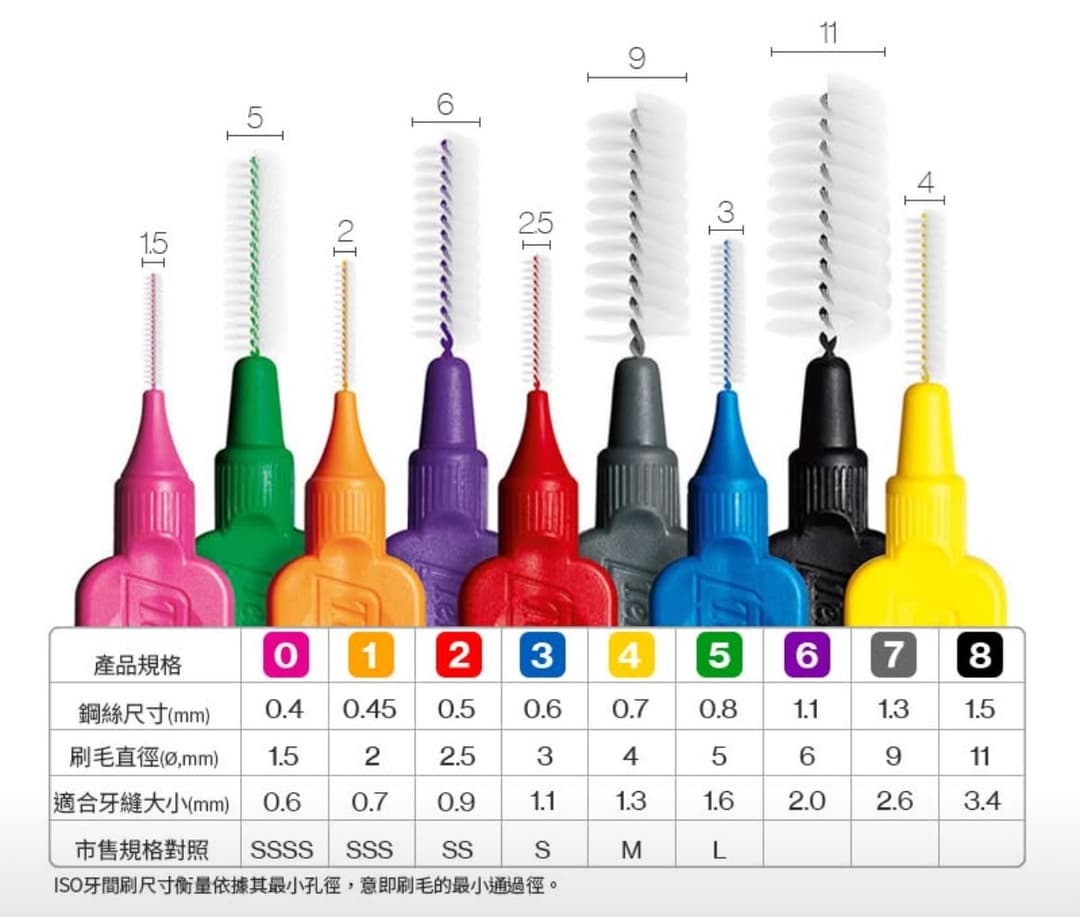
Source:Tepe
The Correct Way to Use an Interdental Brush
✅ Use at least once per day (preferably before bedtime) for optimal results.
Step-by-Step Guide
- Stand in front of a mirror to check the insertion angle.
- Gently insert the interdental brush between your teeth (avoid forcing it).
- Move it back and forth a few times to dislodge plaque and debris.
- Remove the brush carefully to avoid gum injury.
- Rinse the brush with water after each use and let it dry.
📌 Dentist’s Reminder:
- Slight bleeding is normal during initial use due to plaque irritation. It should improve within a week of regular use.
- If bleeding persists for over two weeks, consult a dentist, as it may indicate gum disease.

Final Thoughts: How Dentists Maintain Perfect Oral Hygiene
As dentists, we use interdental brushes daily because they help:
✅ Remove plaque from between teeth
✅ Prevent cavities and gum disease
✅ Reduce tartar buildup
✅ Keep breath fresh
✅ Support orthodontic patients and those with dental work
If you haven’t started using an interdental brush yet, now is the perfect time!