What is Tooth Nerve Pain? Start by Understanding the Four Main Components of a Tooth!
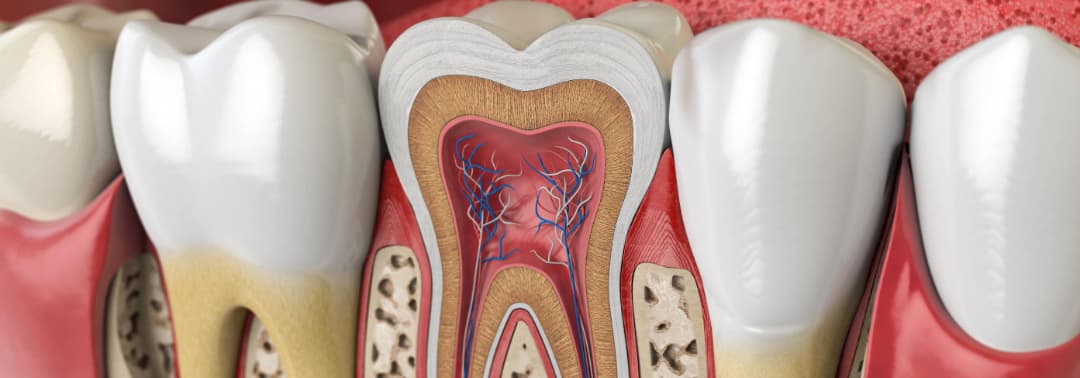
Have you ever lost the joy of eating due to tooth nerve pain? Regardless of age, tooth nerve pain is actually quite common. To understand what tooth nerve pain is, it's essential to first get acquainted with the four primary components of a tooth:
| Components of a tooth | Definition |
| Enamel | Enamel is the outermost layer of a tooth, and it is also the hardest tissue in the human body. Its primary role is to protect the crown of the tooth. However, it can be subjected to wear and tear, abrasion from brushing, and acid erosion, which can lead to the softening of the enamel. When the enamel softens to a certain extent, cavities may begin to form. Using toothpaste containing fluoride or calcium phosphate can aid in repairing the enamel. |
| Dentin | The second layer of the tooth crown, dentin is protected by the overlying enamel. It has a pale yellow hue and contains fine tubules that connect directly to the dental pulp. |
| Cementum | A bone-like tissue on the surface of the tooth root, it continuously regenerates and connects the periodontal ligament to the dentin, ensuring the tooth is firmly anchored within the jawbone. |
| Pulp | The soft tissue of the tooth, it occupies the central chamber and is richly supplied with blood vessels and nerve tissues. |
Typically, tooth nerve pain refers to the discomfort arising from the stimulation of nerve endings within the tiny canals of the dental pulp. When the dentin is compromised, everyday actions like eating or brushing can potentially stimulate these nerve endings, resulting in a sharp pain.
What Causes Tooth Nerve Pain?
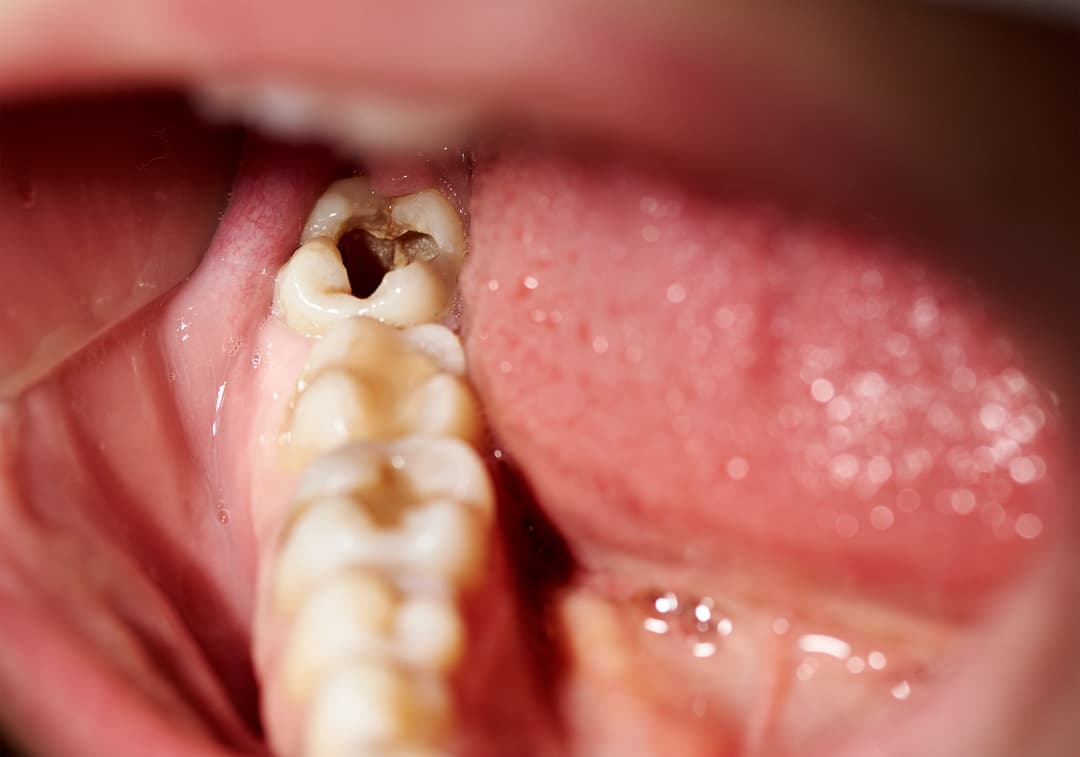
1. Cavities
Cavities are among the most common causes of tooth nerve pain. With poor oral hygiene habits, bacteria in the mouth multiply rapidly, leading to the formation of dental plaque that adheres to the tooth surface. This plaque gradually erodes the tooth's outermost layer, the enamel, until it penetrates to the dental pulp, causing inflammation at the tooth's root and resulting in persistent tooth nerve pain.
2. Bruxism
Grinding one's teeth while sleeping can significantly wear down the tooth structure, potentially damaging it. Over time, this can lead to issues such as tooth sensitivity. Consequently, patients might experience tooth nerve pain and soreness in the jaw muscles even when awake.
3. Gum Disease
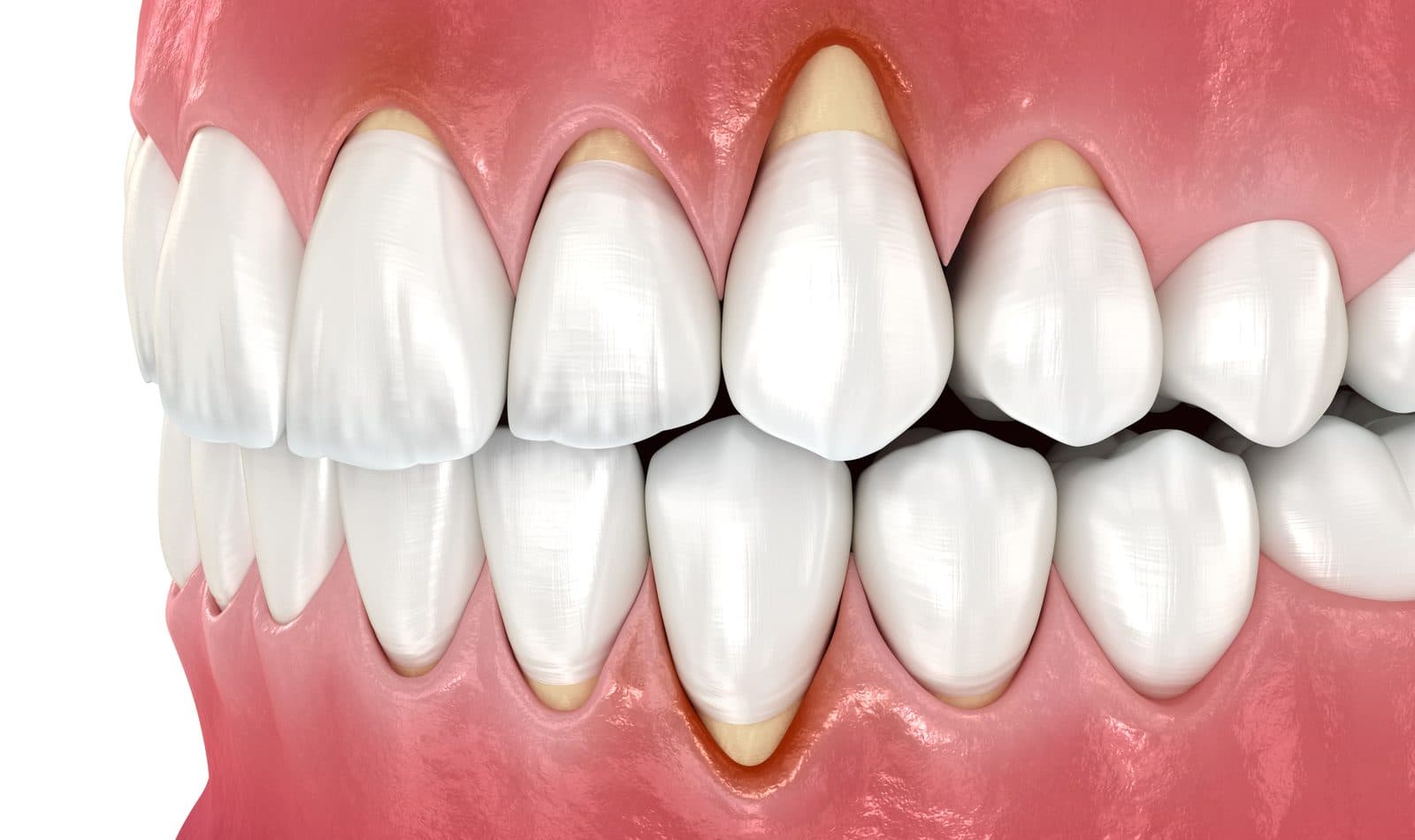
Gum disease often presents with symptoms of gum recession, leading to an increasing exposure of the tooth roots. As a result, teeth become more vulnerable to external stimuli, showing heightened sensitivity to the temperature and acidity of food and beverages. This heightened sensitivity can easily stimulate the nerves within the teeth, leading to tooth nerve pain. Moreover, the exposed root areas become more susceptible to the accumulation of dental plaque, further increasing the risk of cavities and inflammation.
4. Cracked or Fractured Tooth
While most people don't experience tooth nerve pain during chewing, if you distinctly feel pain while doing so, it could very likely be due to a cracked tooth. Changes in sugar content and temperature can travel through these minute fissures to stimulate the tooth nerve, resulting in nerve pain.
Common Symptoms of Tooth Nerve Pain
When you encounter tooth nerve pain, do you immediately seek medical attention? Surprisingly, many patients opt to bear the discomfort until it exacerbates, requiring more extensive and complex dental interventions by the time they consult a dentist. So, when should one consider visiting a dental clinic? If you're experiencing any of the following six prevalent tooth nerve pain symptoms, it's imperative to seek medical care without delay:
- Intermittent sharp, dull, or throbbing pain in the mouth or teeth.
- Noticeable pain when applying pressure to a tooth, tapping it gently, or during chewing
- Observable tooth damage such as deteriorated enamel, fractured teeth, or exposed nerve endings.
- A foul-smelling pus discharge from the tooth, suggesting an infection.
- Inflammation and swelling of the gums, with associated facial pain.
- The simultaneous occurrence of a toothache and fever.
A toothache paired with a fever often signals severe cases, potentially indicating conditions like cellulitis or an acute odontogenic abscess. It's crucial to seek treatment promptly to prevent the infection from affecting other body parts, which could lead to more grave health complications.
How to Address Tooth Nerve Pain?
Tooth nerve pain is typically more severe than general toothaches. Such pain often suggests that bacteria have infiltrated the pulp chamber of the tooth, potentially leading to inflammation. Addressing tooth nerve pain varies based on its severity. For milder cases, a filling might be sufficient to halt the bacteria from further eroding into the pulp chamber. However, in more acute situations, a root canal treatment may be required to make the tooth non-vital and alleviate the inflammation. In extreme cases, extraction of the affected tooth might be necessary.
Overview of the Root Canal Treatment Procedure
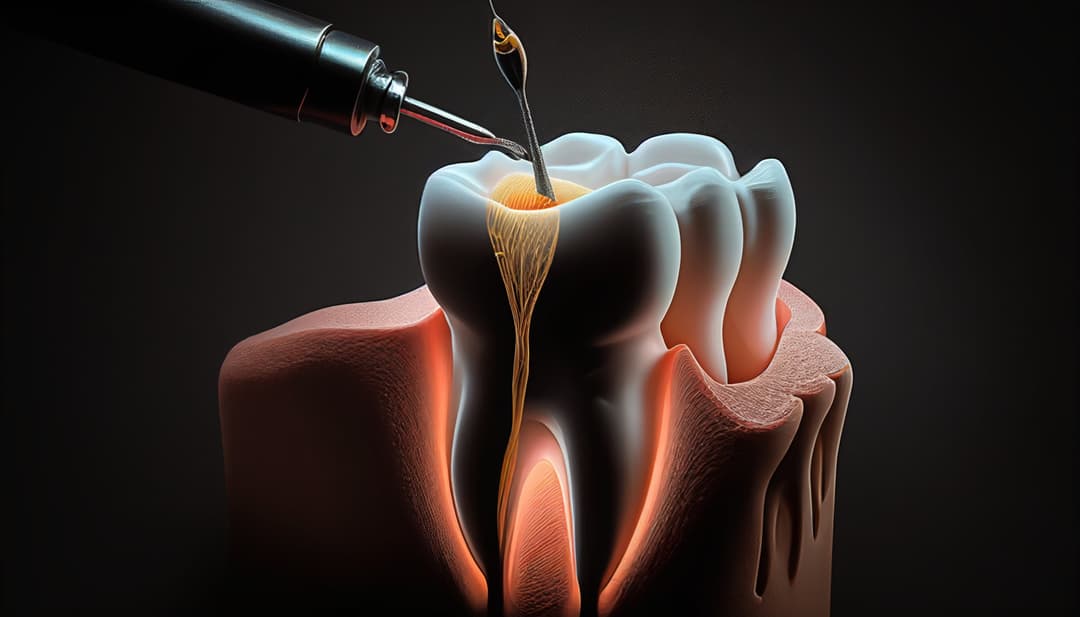
| Step | Details |
| Local Anesthesia | The dentist determines if anesthesia is necessary for the root canal treatment and decides the appropriate dosage to ensure the patient doesn't experience significant discomfort during the procedure. |
| Tooth Isolation | The tooth undergoing root canal treatment is separated from adjacent teeth with a dental barrier. This keeps the treatment area visible and minimizes the risk of harming the surrounding soft tissue. |
| Decay Removal | The dentist removes decayed tissue and any remnants from previous dental treatments. Subsequently, they open the pulp chamber to prepare for the next stage. |
| Enlarging and Cleaning the Pulp | The dentist enlarges the root canal system, clears out bacteria causing inflammation or infection, and thoroughly rinses it with a specialized solution. |
| Temporary Covering of the Opening | Many root canal treatments are done over multiple sessions. After each session, the dentist covers the treatment opening with a temporary material to prevent any disturbances to the treated area before the next visit. |
| Final Root Canal Filling | In the concluding session, the dentist fills the canal with a specialized material. A dental crown is then affixed to the weakened tooth structure, emulating the function of the enamel. |
Root canal treatment significantly relies on the dentist's diagnostic precision. Dentists with extensive experience can precisely evaluate the severity of dental issues and the current status of the tooth's root. Their expertise allows them to design treatment plans that maximize the preservation of the patient's existing tooth tissue, ensuring an efficient completion of the root canal process.
During the treatment, the dentist's skill and dexterity are essential. The amount of anesthesia used can determine the patient's comfort throughout the procedure. Accurately identifying and removing infected root tissue, as well as executing the cleaning and filling processes with stability, greatly influence the treatment's success rate. Poorly performed root canal treatments can result in incompletely addressed nerve issues, leading to multiple revisits, recurrent complications, and prolonged tooth nerve pain for the patient.
The dentist's skill set directly impacts the number of root canal sessions required, the size of post-operative trauma, and the challenges of subsequent treatments. Choosing a genuinely experienced dentist known for high-quality service can notably shorten the duration of dental pain and reduce the number of clinic visits, helping patients swiftly overcome the challenges associated with tooth nerve pain.
Still Experiencing Pain After a Root Canal? It Might Not Be Tooth Nerve Pain!
After undergoing a root canal, do you still feel discomfort? A short duration of discomfort following the procedure is entirely normal. Symptoms might include discomfort in the dental region, inflammation, or even the formation of an abscess. If these symptoms persist or worsen, it's crucial to consult with the dentist who carried out the treatment for further guidance.
If, some time after the root canal, and once your dentist has confirmed that the tooth nerve was thoroughly treated, you continue to experience intense pain, this discomfort might not originate from the tooth. Often, conditions like sinus infections and trigeminal neuralgia can be mistakenly identified as tooth nerve pain.
Sinus infections occur very close to the dental nerves. Pain from a sinus infection can radiate into the mouth, mimicking a toothache. Typically, this pain is concentrated in the upper jaw teeth and is accompanied by discomfort around the nasal region. If you're feeling tooth pain concurrent with these symptoms, the root cause could be a sinus infection rather than a dental issue!
Trigeminal neuralgia is a type of nerve pain that manifests in the face. During its painful episodes, it affects the oral cavity and is, therefore, often mistaken for tooth nerve pain. If you wish to differentiate between trigeminal neuralgia and tooth nerve pain, consider the following distinctions:
| Trigeminal Neuralgia | Tooth Nerve Pain | |
| Duration | Typically short-lived, characterized by intermittent bursts of pain. | Tends to be more persistent, often accompanied by continuous dull or sharp pain. |
| Painful Areas | Primarily localized to the lips, dental arches, inside of the nose, and one side of the face. | Concentrated around a specific tooth or its surroundings. |
| Triggers | Commonly associated with everyday activities that can induce pain, such as talking, applying makeup, or yawning. | Lacks specific triggers. |
| X-ray Findings | Hard to diagnose directly from dental X-rays. | Dental X-rays can reveal:
Pain upon tapping the tooth or changes in temperature |
| Treatment Response | Regular dental treatments typically show no significant improvements; the pain persists. | Pain often alleviates or disappears after taking pain relievers or undergoing other dental procedures |
How to Alleviate Tooth Nerve Pain?
When grappling with tooth nerve pain, consider the following temporary measures to ease the discomfort before consulting a dentist:
1. Take Pain Relievers
Over-the-counter medications containing Acetaminophen or Ibuprofen can be effective in alleviating tooth nerve pain and may also possess anti-inflammatory properties. If you haven't received advice from a dental professional regarding these medications, ensure you carefully read the ingredients and dosage recommendations on the packaging and follow them accurately.
2. Minimize Biting and Avoid Extreme Temperatures
When experiencing tooth nerve pain, it's vital to reduce any further external irritations to the affected area. Refrain from biting down hard, consuming hot or cold beverages, or eating foods with extreme temperatures. Ideally, choose warm, semi-liquid foods to decrease the necessity of chewing and thus limiting further irritation to the painful spot until you can receive appropriate dental care.
3. Maintain Oral Hygiene
Foreign particles in the mouth can persistently irritate the painful region. If you believe there might be debris near the affected site, gently clean your mouth to prevent any additional aggravation from foreign objects.