🧴 Does the Stinging Sensation Mean It’s Cleaner? You Might Be Choosing Wrong!
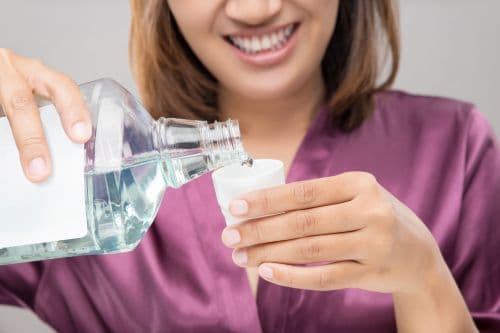
Hong Kong people value efficiency. Many habitually swish with mouthwash, sometimes even seeking that tear-inducing "burning" sensation, believing this ensures thorough disinfection.
But have you considered that the mouthwash you rely on might be too harsh, potentially causing yellowing teeth or dulled taste buds?
As your oral health consultant, Home Dental is here today to reveal the truth about mouthwash. Does alcohol cause cancer? What is Chlorhexidine? Which mouthwash is right for you? This article helps you choose wisely!
🥃 Myth 1: Is Alcohol-Based Mouthwash the Strongest? Does It Cause Cancer?
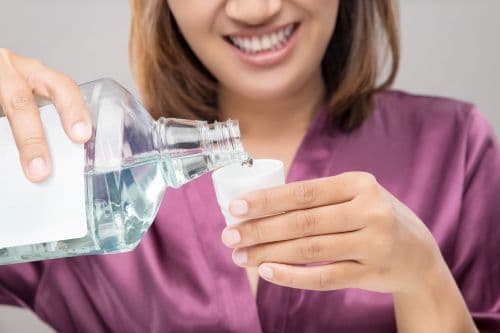
The Myth: It is rumored online that alcohol-containing mouthwash increases the risk of oral cancer. The Dentist’s Reality: Currently, there is insufficient medical evidence to confirm that daily use of alcohol-containing mouthwash directly causes oral cancer.
But why do dentists generally recommend "Alcohol-Free"?
- Oral Dryness: Alcohol strips moisture from the mouth. Reduced saliva can paradoxically allow bacteria to breed more easily, worsening bad breath.
- Mucosal Irritation: For patients with oral ulcers (canker sores), sensitive gums, or the elderly, alcohol is too irritating.
💡 Conclusion: Unless you specifically enjoy the "explosive" fresh feeling, choosing an Alcohol-Free formula is generally milder and more suitable for daily long-term use.
📊 Myth 2: Don't Just Buy "Mint Flavor"! Understanding Ingredients
Buying randomly may only treat symptoms, not the cause. We categorize them into 4 main types to help you read the label:
|
Type |
Key Ingredients |
Efficacy |
Best For |
Warning ⚠️ |
|
Anti-Cavity |
Fluoride |
Strengthens enamel, prevents decay. |
Cavity-prone people, braces wearers. |
Check if fluoride concentration is sufficient. |
|
Antiseptic (Daily) |
Essential Oils / CPC |
Reduces plaque, freshens breath. |
Daily breath care. |
Essential oils often contain alcohol. |
|
Therapeutic (Strong) |
Chlorhexidine |
Powerful antibacterial, treats gum disease. |
Post-surgery, gum disease patients. |
NOT for long-term use! Can stain teeth and alter taste. Use for 1-2 weeks only. |
|
Anti-Sensitivity |
Potassium Nitrate |
Seals dentin tubules, relieves sensitivity. |
Sensitive teeth. |
Works best with sensitive toothpaste. |
🏆 Recommendations: Match the Product to Your Need
Don't ask "Which brand is best?", ask "Which ingredient suits me?"
1. For "Braces Wearers"
- Recommendation: Mouthwash containing Fluoride.
- Reason: Areas around brackets are hard to clean and prone to demineralization (white spots). Fluoride provides extra protection.
2. For "Bleeding Gums / Gum Disease Patients"
- Recommendation: Mouthwash containing Chlorhexidine (0.12% - 0.2%).
- Warning: Usually recommended by dentists/pharmacists. Use for a maximum of 10-14 days. Switch back to regular mouthwash afterwards to avoid staining.
3. For "Severe Bad Breath"
- Recommendation: Formulas containing Zinc or CPC.
- Reason: Zinc neutralizes sulfur compounds (VSC) that cause bad breath, breaking down odor at the source rather than just masking it.
✅ 3 Golden Rules for Correct Use
To get the most out of your mouthwash:
- Do Not Dilute: Unless specified as a concentrate, use it straight. Adding water dilutes the active ingredients.
- Swish Long Enough: Swish for 30 seconds to ensure it reaches all gaps.
- Wait After Rinsing: It is recommended not to eat, drink, or rinse with water again for 30 minutes after using mouthwash. This allows the active ingredients (like fluoride or antibacterial agents) to remain on the teeth and work effectively.
🏁 Conclusion: Mouthwash is the "Dessert," Not the "Main Course"
Mouthwash is a great aid, but "Mechanical cleaning (Brushing + Flossing)" is always king.
If you constantly rely on mouthwash to mask bad breath or if your gums still bleed, you need a professional scaling and check-up, not just a more expensive mouthwash.