In recent years, more and more people have replaced missing teeth with dental implants, mainly because dental implants are generally more practical and aesthetic than removable dentures or bridges. However, although some patients are suitable for dental implants, they require a longer treatment time compared to other teeth replacement methods and require multiple follow-up visits during the period. These inconveniences may cause patients to give up the option of dental implants and miss the golden opportunity for dental implants.
What is "Immediate Implant"?
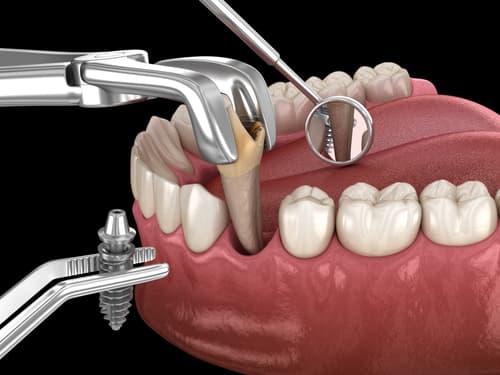
Traditional dental implants can only be placed after the tooth is extracted and the wound and bone are healed (about three months). With the advancement of dental technology, in some suitable cases, dentists may advise patients to choose the "immediate implant" approach, as literally, place the artificial implant immediately after tooth extraction, and then wait for the bone heal.
What are the benefits of "immediate implant"?
"Immediate implant" is suitable for patients whose teeth and bone structure and condition are relatively intact. A common case is tooth fracture. This technology is popular with dentists and patients, mainly because it reduces the number of visits required and shortens the overall implant treatment time for the patient. On the other hand, "immediate implant" can preserve the patient's dental bone as much as possible, because various conditions may occur in the process of waiting for the dental bone to heal after the tooth is removed, resulting in the dental bone being resorbed.
Some patients may resist surgery, but if the tooth is unavoidable to be extracted, the "immediate implant" approach can reduce the number of surgeries for the patient. The scope of the wound caused by the "immediate implant" surgery is smaller than that of the traditional dental implant surgery, because the implant wound and the tooth extraction could recover at the same time, which helps to improve the patient's postoperative experience.
Is "immediate implant" right for you?
As with any dental procedure, both the dentist and the patient have a few factors to consider before going to "immediate implant" that will have a decisive impact on the success or failure of the above. It should be emphasized that not every dental implant case is suitable for the practice of "immediate implant".
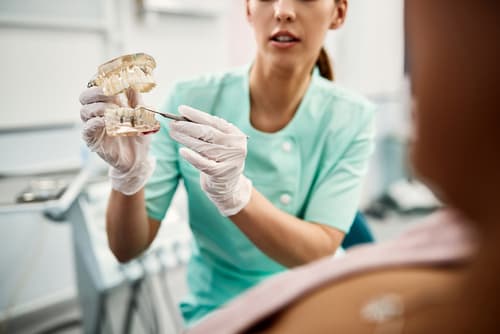
First of all, when evaluating whether the patient's oral condition is suitable for receiving dental implants, it is necessary to use computerized tomography (CBCT) to ensure that the soft and hard tissue structure of the tooth is complete, that is, the gum and bone are in good condition, without the need for extensive additional bone or gum grafting surgery. For example, periodontal disease, such as dental bone atrophy, root inflammation and tooth abscess, can destroy the tissues around the teeth. Artificial implants cannot be fixed on the bone without a good foundation, so "immediate implant" has relatively high requirements on the condition of the patient's bone.
On the other hand, "immediate implant" requires advanced technology and a high level of accuracy. From the wound control of the tooth extraction, the measurement of the implant position to the precise implant placement, each process requires rich experience and advanced technology to ensure a relatively high surgical success rate. Since it requires generally more preparation work in advance, even if it is handled by the same doctor, the treatment cost of "immediate implant" may be higher than that of the traditional staged dental implant.
The decision is on your hands!
Usually, dentists do not offer only one treatment option for patients to consider. Ultimately, it is always up to the patient to weigh the pros and cons and decide which treatment option to accept based on the actual situation and needs.
When in doubt, consult your trusted family dentist.