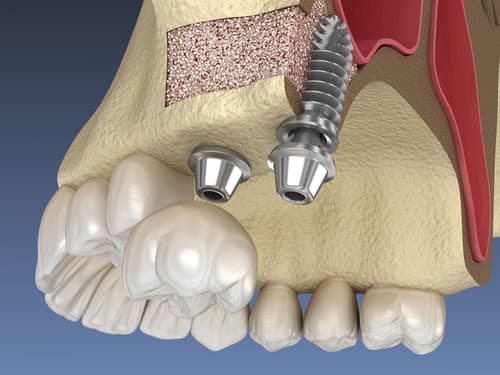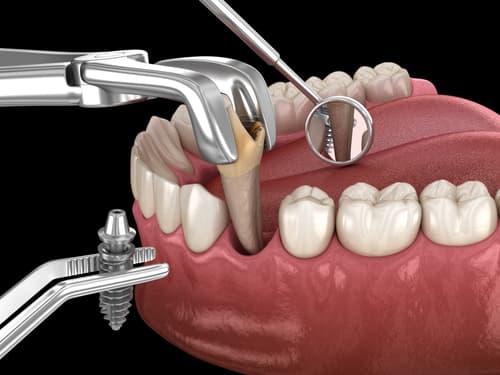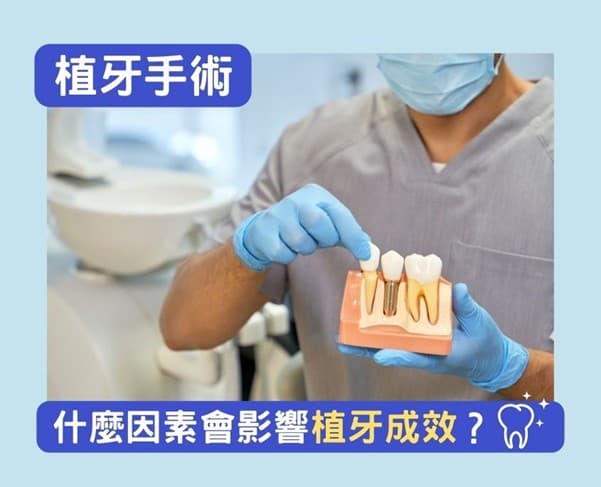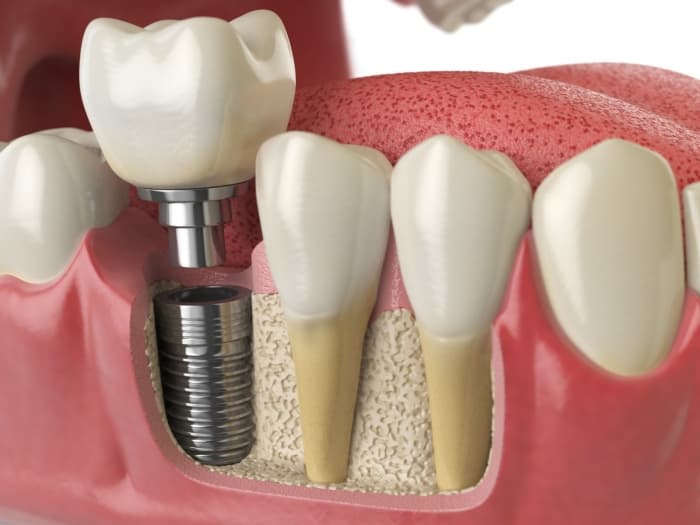
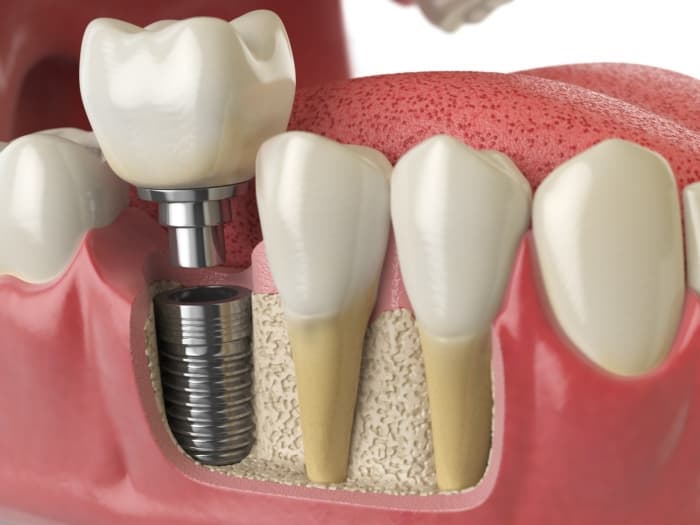
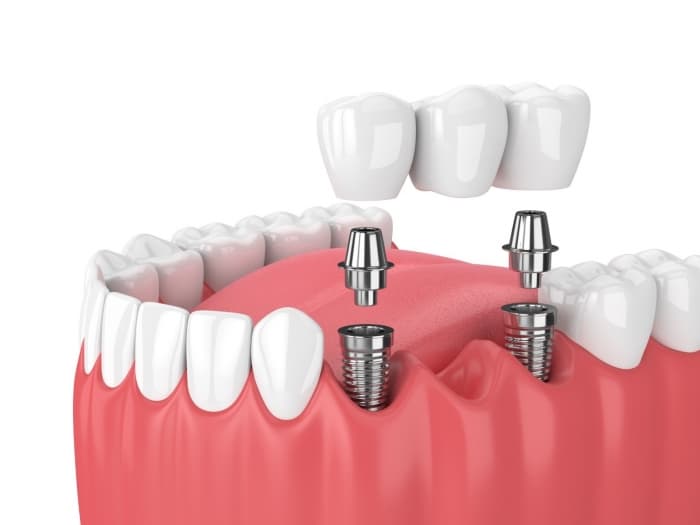
Implantation is a method to replace missing teeth. Materials such as titanium are used to implant into the alveolar bone as a support, and then implant crowns, dentures or bridges.
As for why having implantation? It is because the loss of tooth will cause other teeth displaced and thus, except for wisdom teeth, affecting occlusion, pronunciation, chewing and eating in the oral cavity. Missing one tooth will bring adverse impacts, and it also cause the alveolar bone to shrink. Other teeth are prone to tooth decay and possibly worsen periodontal disease. There are higher chances which cause other teeth to become skewed or even fall off. As such, it can be said as one small mistake can cause a chain reaction.
Since implantation need to be performed through surgery, many patients will try to avoid it. However, with the advancement of science and technology, besides the traditional implantation surgery, there are now non-invasive implantation techniques. But what are the differences between these two?
1. Traditional Implant Surgery
Let’s first talk about the traditional implantation surgery. Before the operation, X-ray or 3D computer scanning are used to conduct a detailed inspection of the oral cavity to determine the position and the angle of implantation. Patient’s physical condition and medical history will be confirmed at the same time.
When it comes to the surgical part, the surgery will first open the gums, then holes will be drilled with selected position and angle determined during the examination. Implantation will be conducted and then suture the gums. After 3 to 6 months, the alveolar bone and the implant are integrated into one body and healed. Second operation will be performed to remove the gums nearby the implant and put a device for healing the gums on the implant. After the healing of the gums, the healing device will be replaced with an impression device. With the impression device, the position and angle of the implant can be copied to the dental mold. At last, the artificial teeth are fixed in accordance to the dental mold. It marks the completion of the traditional implantation surgery.
2. Minimally Invasive Implant
As for the minimally invasive implantation, it is as its name suggested which is a less invasive implantation method. The biggest difference from traditional dental implantation surgery is that the minimally invasive method does not need to open the gums, and thus the amount of bleeding will be much smaller, and the wound is smaller. It reduces the discomfort caused by the wound. The operation time will be greatly reduced since each dental implant only takes about 10 to 15 minutes.
By using 3D computer scanning, doctors can understand the condition of patient’s alveolar bone better. At the same time, it can simulate the patient’s oral cavity, therefore the surgery can be performed smoothly and quickly. Unnecessary trauma will be reduced. In addition, since the wound is smaller and there is no exposure of alveolar bones, it can be recovered quickly without having to wait for months. The bones will grow faster and thus allow the patient to enjoy the result of implantation.
Although minimally invasive implantation is faster and reduce discomfort, it is not suitable for everyone. For example, patients with insufficient gum beds. They need bone grafting prior the minimally invasive implantation. As such, if you wish to choose minimally invasive implantation, doctor’s inspection and evaluation are needed to decide whether the patient’s oral and physical condition is appropriate.
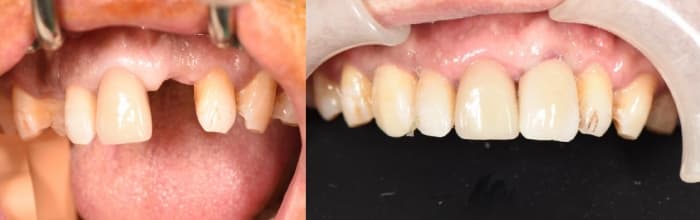
In addition, even after the completion of the operation, it does not mean that you can be relaxed. It is because if the cleaning is insufficient and the related care is improper, it may cause inflammation around the implant. In severe cases, it may even loosen the implant. Therefore, you must ensure that the oral cavity is clean and hygienic. At the same time, pay attention to the way of eating, such as chewing and biting. It is suggested that patients should avoid biting hard things and regularly attend follow-up visits in order to check the status of the dental implant so as to extend the lifespan of the dental implant.
Implant fees vary with the implant brand, your bone condition and the treatment plan, and are quoted after a dentist’s assessment. How implant fees are made up →
#toothimplantation #invasiveimplantation #toothimplant #toothimplantsurgery #invasiveimplantation