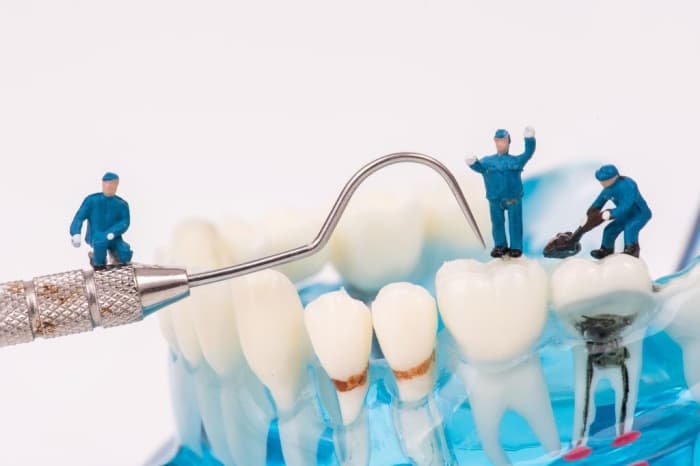
"Small cavities left unfilled, big cavities lead to suffering!" Almost everyone has faced the issue of tooth decay. Minor cavities can be repaired through fluoride application or dental fillings. However, severe cavities may require root canal treatment (endodontic therapy) to save the tooth.
Root canal treatment involves removing infected and inflamed dental pulp. Besides being more costly than regular fillings, the process is more complex. Although medical advancements have improved, about 95% of root canal cases result in minimal discomfort after treatment. However, approximately 5% of cases may experience a sudden onset of more noticeable pain or swelling after treatment, known as a flare-up.
Various factors contribute to flare-ups, and it's not caused by a single factor. Factors include higher toxicity of bacteria in infected teeth, prolonged infection, severe infection at the time of dental visit, and host factors such as the patient's immune status, stress, and psychological factors.
When might sudden symptoms occur?
Flare-up symptoms typically occur in severely infected teeth, teeth subjected to extreme stimulation, or previously treated teeth. However, even patients who have undergone successful root canal treatment may, in some instances, experience flare-up symptoms after a subsequent treatment. These symptoms usually begin a few hours after completing the root canal treatment and may last for 2 to 3 days.
Normal postoperative pain vs. noticeable flare-up symptoms
Feeling mild pain or discomfort after root canal treatment is considered normal, and dentists generally provide post-treatment pain management advice or prescribe pain medication for use when needed. Flare-up symptoms, on the other hand, bring more severe pain and discomfort.
What happens during a flare-up after root canal treatment?
Although experiencing flare-up symptoms can be a distressing experience for patients and dentists, the good news is that the success rate of root canal treatment for teeth experiencing flare-ups is not significantly reduced.
Therefore, patients should not be overly concerned when pain occurs after root canal treatment. They should promptly schedule an appointment with their dentist to assess the situation. The dentist may prescribe antibiotics, potent pain relievers, or anti-inflammatory drugs for consumption and may suggest further treatment.
If you have any questions, consult your trusted family dentist.