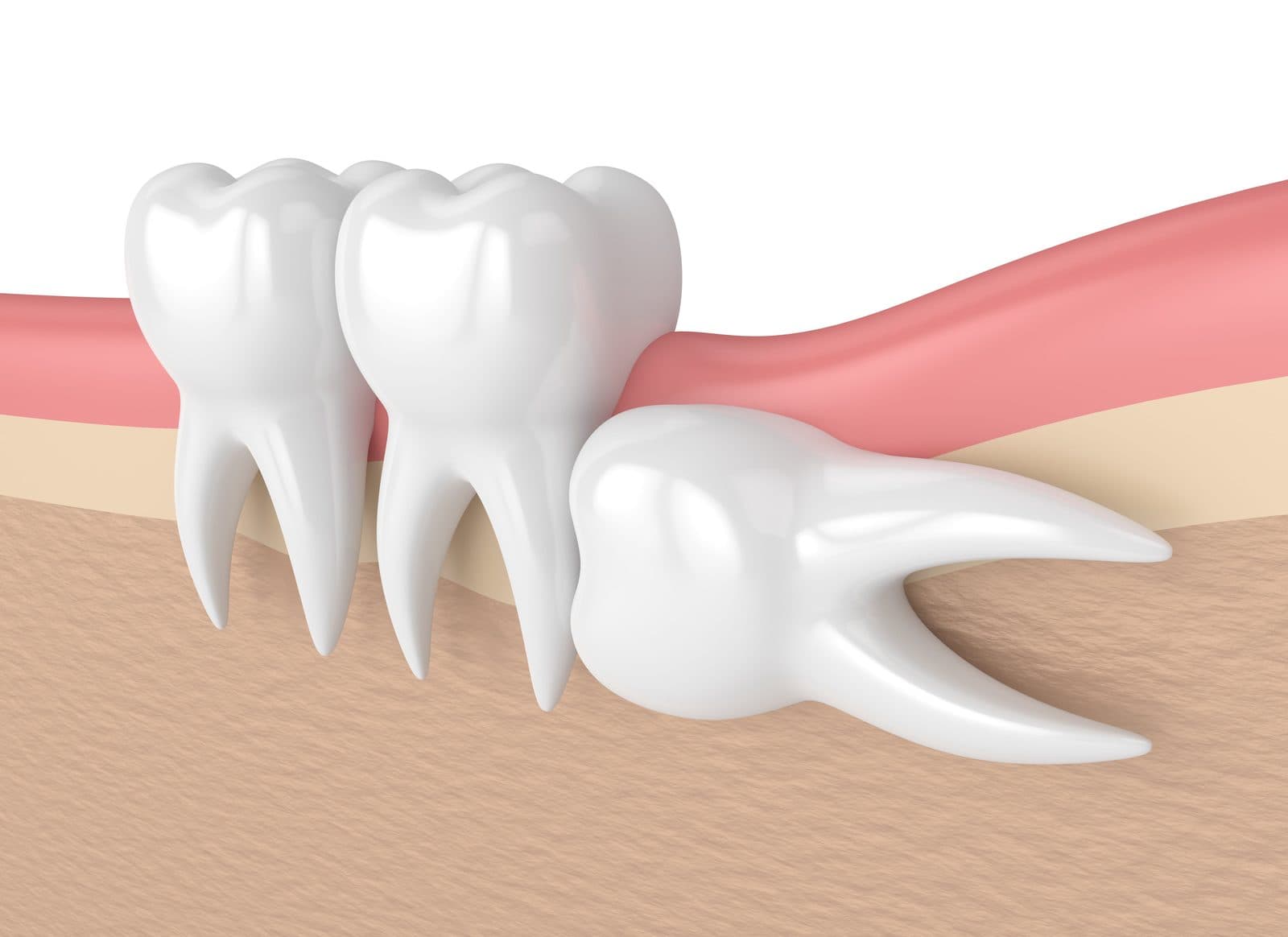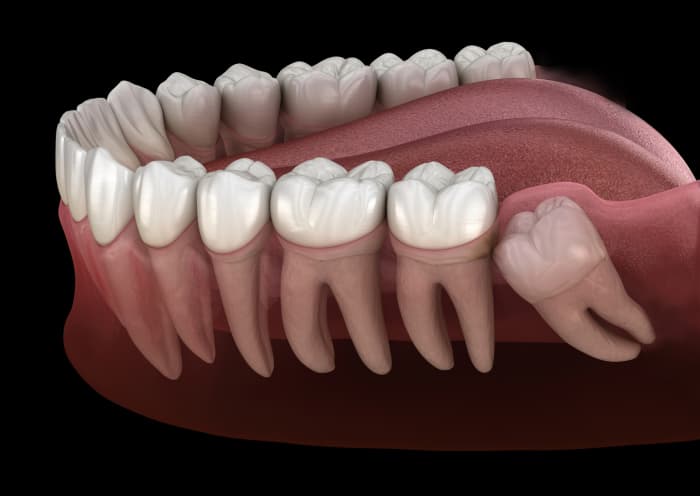
Wisdom teeth are not for everyone's, but people with wisdom teeth may face a lot of trouble because of their wisdom teeth. Wisdom teeth are the third molar. Due to the limited space of the human jawbone, it is common for wisdom teeth to cause oral problems, such as: tooth flesh inflammation, tooth decay, and even oral cysts.
There are two approaches of extracting wisdom teeth?
The choice to remove wisdom teeth can be divided into preventive and interventional types, where the former is mainly to avoid future problems by performing the extraction in the absence of the symptoms; while the latter refers to the need to extract wisdom teeth when it has already caused discomfort or oral problems.

The major factors that affect the extraction cost
Many patients who are interested in removing wisdom teeth often make a call to the dental clinic to find out the treatment price first. Usually the dental receptionist can only provide a common price range for the patient's reference, because the specific quotation is often affected by multiple medical factors, and ultimately depends on the diagnosis results.
Here are a few common factors that affect the cost of tooth extraction:
1. How deep are the wisdom teeth?
Wisdom teeth can grow completely, only half-grown, or buried in the bone. The depth of the wisdom tooth buried in the bone affects the cost of tooth extraction. Because the deeper the wisdom tooth is buried, the doctor will need more time and technique to grind off more teeth when extracting the tooth, in order to reach the place where the wisdom tooth is located.
2. Are there special shapes for the wisdom teeth?
In general, when the wisdom teeth is in the most inward position of the mouth, the difficulty of treatment will be higher than that of ordinary tooth extraction/extraction, so the cost of extracting wisdom teeth is usually higher than that of other teeth.
Each wisdom tooth may be different in shape and structure. Some wisdom teeth look like an octopus, with many teeth and feet; some have crooked teeth and feet, or even hook their teeth and feet; some are as small as a pearl. The shapes of wisdom teeth are varied and strange. Strangely shaped wisdom teeth can make extraction more difficult, ultimately resulting in higher extraction costs.

3. Did the assessment reveal special risks?
The main risk of removing a zorocular wisdom tooth is whether the tooth foot is too close to the sinus, while the extraction of the zygomatic wisdom tooth will require an evaluation on whether the tooth is too close to the inferior alveolar and tongue nerves.
On the other hand, when the jaw alveolar bone itself is already weak, and the wisdom teeth are removed, there is a chance to cause obvious weakness at the angle of the mandibular, or even fracture. Various risk assessments are required before the wisdom tooth is extracted, and once the doctor decides that the wisdom tooth extraction is relatively complicated, the cost will increase accordingly.
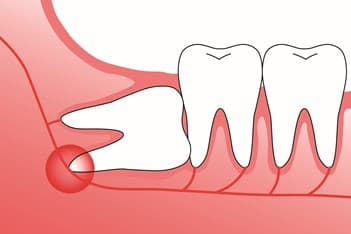
4. Are there any signs of lesions or cysts?
If there is a lesion or cyst associated with wisdom teeth, the dentist will need to take tissue tests for the patient so as to understand the nature of the lesion or cyst.
Depending on the doctor's judgment, there is a chance that tissue tests will need to be done first, and then the dental surgery will be performed afterwards, or the lesions or cysts will be removed at the time of the dental surgery, and then the tissue will be sent for testing. Due to the large number of procedures involved, in addition to the doctor's surgical fees, laboratory fees will also be incurred.
5. Does the patient have any special physical condition?
In addition to the dental factors that affect the cost of tooth extraction, the patient's own physical condition is also one of the factors. Complicated medical history can complicate the surgery, such as high blood pressure, diabetes, organ transplantation, osteoporosis, etc. The older the patient, the dentists will need to pay more attention to the patient’s physical conditions, including hemostasis, wound healing and so on.
6. Does the patient need to be anesthetized?
Some patients refuse to see a dentist or cannot receive routine dental treatment like ordinary people for many reasons, such as they are too nervous or anxious, have a relatively complex medical record, or are too young or mentally ill. At this point, they may need to undergo general anesthesia or IV Sedation so that the dentist can successfully complete the treatment, which inevitably involves additional anesthesiologist fees.
7. Does your case need to be referred to a specialist?
Dentistry can basically be done by a general dentist alone. However, when a general dentist determines that the tooth extraction is a high-risk treatment for this patient based on clinical conditions, there is an opportunity to refer the case to an oral and maxillofacial surgeon. Specialists are good at handling more complex surgical treatments, and have rich experience in performing risk assessment, improving treatment success rates, handling complications, etc., but the cost of surgery for specialists is usually higher than that of general dentists.
Objective analysis facilitates wise decision-making
When comparing quotes from different dentists, patients are advised to consider the factors mentioned above thoroughly, so that they can objectively analyze and help them make informed and budget-compliant decisions.
If you have any questions, please consult your trusted family dentist.