Mr. Li (pseudonym), who often socializes with insurance clients, went to the clinic to ask the dentist to pull out the tooth because he used his teeth to open the crab claws, causing severe pain from cracked teeth. The dentist suggested that he could consider dental implant later, but Mr. Li had heard from his friends about the experience of dental implant failure, so he rejected the dental implant proposal.
However, missing teeth have always brought a lot of inconvenience to Mr. Li, but he did not want to wear removable denture because he felt that it would be difficult to adapt to and it would be inconvenient to clean. At the same time, Mr. Li also did not want to reshape the real teeth on both sides for the purpose of making dental bridge, which would damage the original healthy teeth.
Mr. Li clearly knows that dental implants are relatively practical and look the closest to real teeth. Therefore, he is now struggling to the treatment options for dental implants. He wants to do it but is worried that it will fail.
Why is there impant failure?
In fact, every treatment, including dental implants, bears some risks, and no doctor can guarantee a 100% success rate for a surgery.
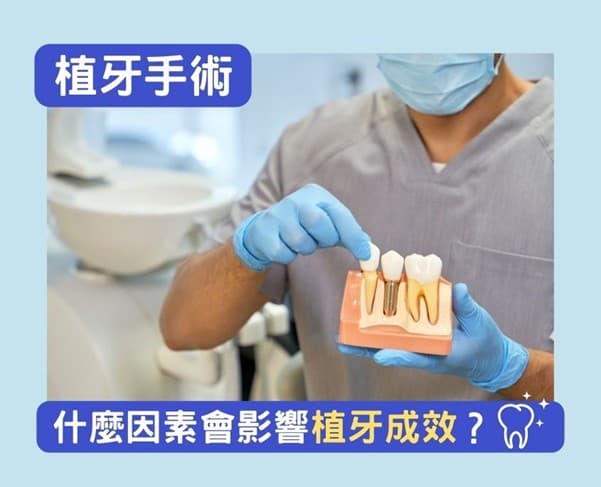
Implant failure usually results from problems with the foundation of the implant. There are many other factors that cause implant failure, including the patient's health factors, post-operative care, and the technique of the dentist. Patients with uncontrolled diabetes or osteoporosis with long-term bone needle implants are at higher risk of implant failure due to poor wound healing and bone recovery. If a patient has periodontal disease but has not received treatment, then they have a higher chance of implant failure.
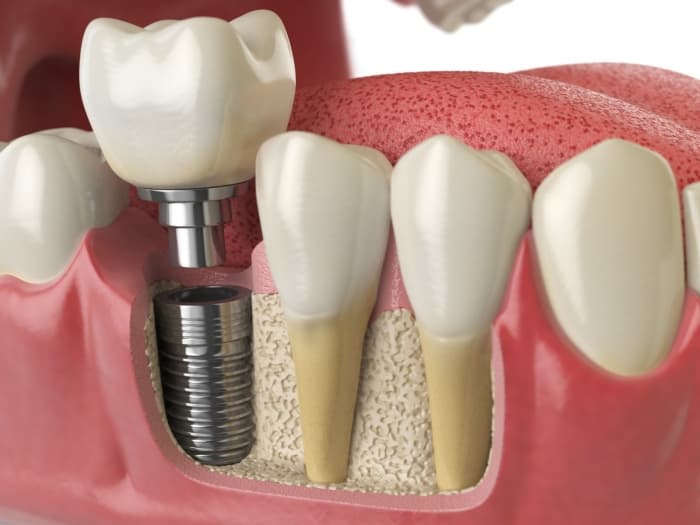
The most common cause of dental implant failure is that the implant fails to bond to the bone, causing the implant to become loose. Like organ transplantation, implants and bone graft are not cells in your own body after all, and there is a chance of rejection. If the implant is found to be loose within 1 month after implantation, there is also a chance that the patient's bone foundation is relatively soft or insufficient bone, so the implant cannot be firmly stuck on the tooth bone.
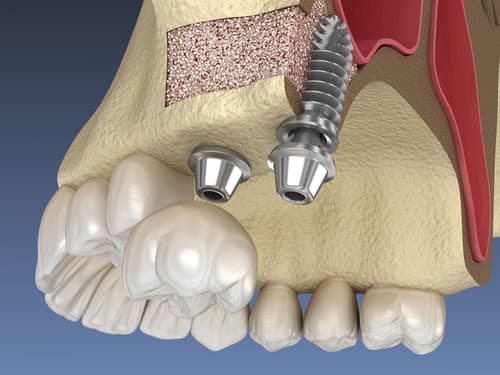
Generally speaking, after the implant is placed, the surrounding bone will begin to absorb and new bone will grow slowly at the same time, just like the soil grabbing the roots of a tree, and at the same time achieve the purpose of retaining the bone. The timing of the implant operation will also affect the quality of the foundation. For example, if the implant surgery is performed too early after tooth extraction, the bone will not have enough time to recover, and the low bone density will easily lead to the failure of the operation. In some cases, the doctor needs to use a longer or thicker implant for the patient, or additionally fill the patient's bone first, so that the implant can be placed in the bone more stably.
Basically, the dentist will wait until the patient's implant is integrated with the bone, the implant is surrounded by the bone, and the device is stable enough before making the crown part. Putting the crown on too early has the potential to loosen the implant that is not fully stabilized. After the crown is installed, the dentist will ensure that the occlusal force of the implant is appropriate, because if the occlusion force is too strong, the underlying bone will be damaged, and over time the final implant will have problems. If the patient has teeth grinding problems, they should also follow the doctor's advice and wear an anti-grinding nightguard to avoid excessive occlusal force on the implant caused by teeth grinding.
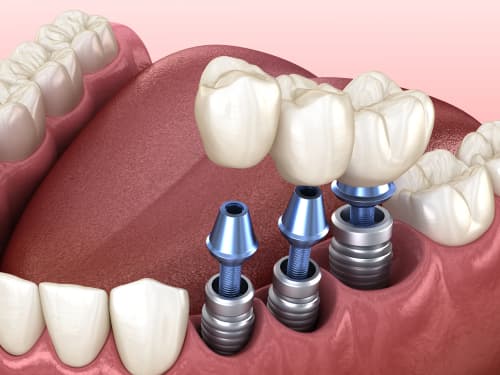
Take care of your implant!
On the other hand, the care of dental implant is the same as the care of real teeth, and it is necessary to do daily oral hygiene cleaning. Poor oral hygiene can lead to implant periodontal disease. The bone and gum support the implant, and periodontal bacteria can also erode the tissue surrounding the implant, causing inflammation, swelling, pus, loosening, and even result in the implant falling off the bone.
Dental implants are like giving a tooth a chance to regenerate. Once you decide to have a dental implant or have a dental implant, you should treat your new tooth well. Of course, other teeth in the mouth should also be taken care of. Daily oral cleaning and regular dental check-ups are a must for you.
Remember, the success of an operation does not just rely on the doctor's surgical skills, but also depends on whether the patient can correctly use and maintain the implant after the operation.
If in doubt, contact your trusted family dentist.