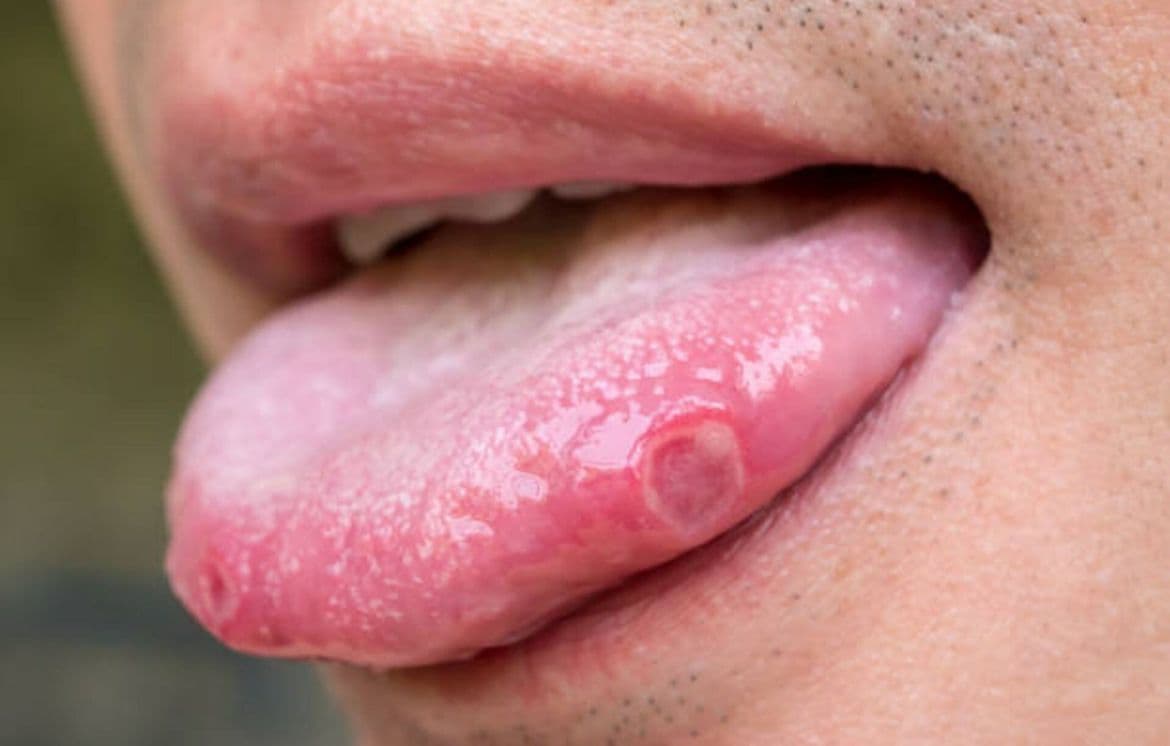
Comprehensive Guide to Understanding and Managing Oral Heat Rash
What is Oral Heat Rash?
Oral heat rash is a common oral inflammation primarily caused by hot and humid environments. This condition typically manifests as small, itchy red bumps or blisters and may be accompanied by pain and discomfort. In Hong Kong, due to its climate characteristics, the incidence of oral heat rash is notably high, especially during the summer or in humid weather. Since oral heat rash can affect eating and communication, understanding its causes, types, and management methods is essential for improving quality of life.
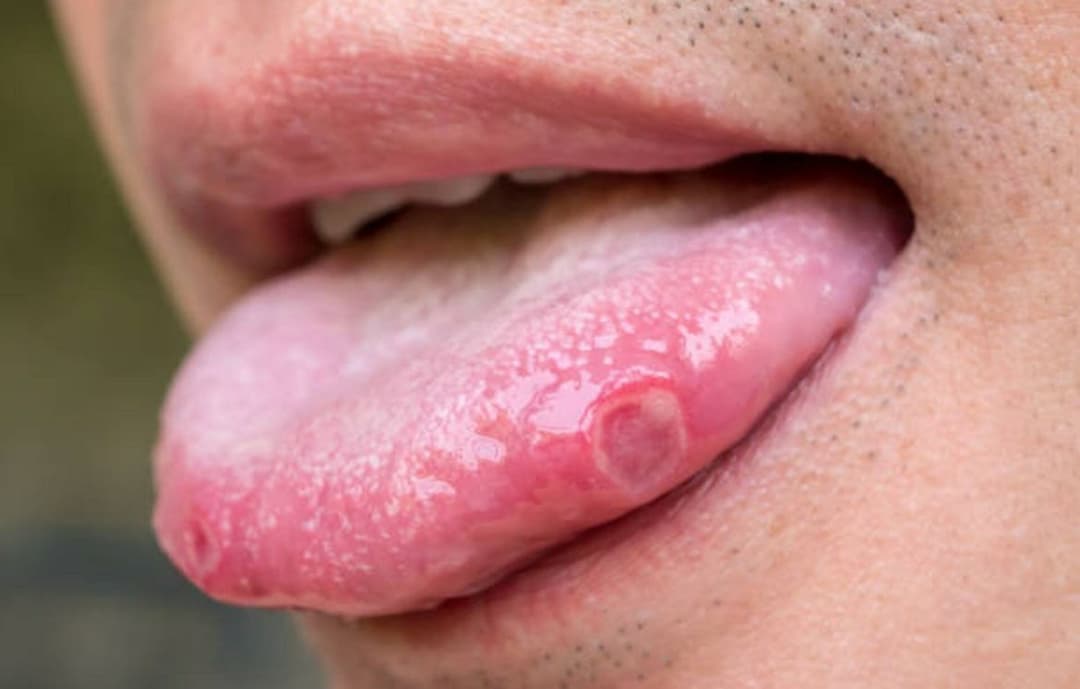
Types of Oral Heat Rash
- Miliaria Crystallina:
This is the mildest form, usually presenting as small, clear blisters that typically do not cause significant itching or pain. This type generally self-resolves within a few days. - Miliaria Rubra:
This is the most common type, characterized by red, itchy small bumps that may appear swollen around the affected area. This condition usually accompanies discomfort and may affect eating and speaking. - Miliaria Profunda:
This is the most severe type, often appearing after repeated episodes of red heat rash. It presents as larger, firmer bumps that may lead to deeper inflammation and discomfort. The recovery time for this type is longer and may require medical intervention. - White Heat Rash:
This oral lesion is typically associated with mild allergic reactions or irritation, presenting as small white bumps that may be accompanied by mild itching or pain. This condition requires special attention to prevent further infection.
Causes of Oral Heat Rash
The occurrence of oral heat rash is associated with various factors, including:
- Hot and Humid Environment: The climate in Hong Kong is particularly humid, which can lead to clogged sweat glands in the mouth, promoting the formation of heat rash. Especially in summer, the combination of high temperatures and humidity accelerates sweat secretion, increasing the risk of heat rash.
- Clogged Sweat Glands: When sweat gland ducts are blocked by dead skin cells or dirt, sweat cannot be properly expelled, potentially leading to inflammation in the mouth. This situation is especially common in hot environments, where sweat cannot evaporate effectively.
- Irritating Foods: Spicy, acidic, or overly hot foods can irritate the oral cavity, promoting the formation of heat rash. These foods can increase inflammation in the mouth and possibly lead to more severe symptoms.
- Poor Oral Hygiene: Poor oral hygiene practices can lead to bacterial infections, subsequently triggering oral lesions. Regular brushing and the use of mouthwash are crucial for preventing oral heat rash.
- Psychological Stress: Continuous stress can impact the immune system, increasing the risk of oral heat rash. Stress may weaken the body's immune response, making the mouth more susceptible to infections.
Hidden Factors for Sudden Outbreaks of Heat Rash
Sometimes, individuals may suddenly discover numerous heat rashes in their mouths. This may be related to the following factors:
- Environmental Changes: Sudden high temperatures or humid weather can stimulate the sweat glands in the mouth, leading to an outbreak of heat rash. Especially during weather changes, alterations in the oral environment may cause a sudden appearance of heat rashes.
- Improper Diet: Consuming excessive spicy or greasy foods may exacerbate inflammation, leading to sudden outbreaks of heat rash. Certain foods can irritate the mucous membranes in the mouth, triggering inflammatory responses.
- Contact with Allergens: The use of new oral care products or consumption of new foods may provoke allergic reactions, resulting in the formation of heat rashes. This situation typically requires careful examination of product or food ingredients to determine the presence of allergens.
Solutions for Oral Heat Rash
Home Remedies and Self-Care
- Maintain Oral Hygiene: Brushing teeth and using a mild mouthwash daily can help reduce bacterial growth and lower the risk of infections. Choosing alcohol-free mouthwash can better protect the oral mucosa.
- Avoid Irritating Foods: During a heat rash episode, it is advisable to avoid spicy, acidic, and overly hot foods to reduce discomfort. Such foods may cause further irritation, leading to worsening symptoms.
- Cold Compress: Applying a cold compress wrapped in ice can soothe discomfort and reduce inflammation. Cold therapy can help decrease swelling and pain.
- Stay Hydrated: Drinking plenty of water helps keep the mouth moist, aiding in wound healing. Maintaining good hydration supports a healthy oral environment.
- Use Natural Antibacterial Agents: Natural products like honey or aloe vera can help soothe oral discomfort and promote healing. These natural ingredients possess antioxidant and antibacterial properties that facilitate recovery.

Medical Treatment
- Topical Anesthetics: For severe pain associated with heat rash, topical anesthetics can be used to temporarily relieve discomfort. This can help improve eating and speaking ability.
- Antibiotics: If signs of infection are present, antibiotics may be necessary for treatment. This helps control infection and prevent worsening of the condition.
- Oral Antihistamines: For severe itching, oral antihistamines can be considered to alleviate discomfort. These medications can reduce allergic reactions and provide comfort.
Recovery Process for Heat Rash
The recovery process for oral heat rash varies from person to person, typically requiring several days to a few weeks. During recovery, the following measures can promote healing:
- Avoid Re-exposure to Triggering Factors: Identify and avoid factors that cause oral heat rash. Maintaining a dry and clean daily environment is critical.
- Maintain Oral Hygiene: Continuously uphold good oral hygiene practices. Regular brushing and using mouthwash can effectively reduce the risk of secondary infections.
- Continue Medication: If prescribed medication by a doctor, ensure to use it as directed until symptoms completely resolve. Following medical advice is essential for ensuring recovery.
- Enhance Skin Moisturization: After recovery, consider using gentle moisturizers to restore the oral barrier. This can help maintain oral health.
Self-Check List: When to See a Dentist?
Use the following self-checklist to help determine if you need to see a dentist:
- Symptoms Persist for Over a Week: If the heat rash symptoms do not improve within a week, consider seeking medical attention.
- Multiple Lesions in the Mouth: If numerous heat rashes suddenly appear and do not resolve, this may signal a worsening condition.
- Severe Pain: Pain that affects eating or sleeping is a clear signal to seek medical help. If pain continues to worsen, immediate medical assistance is recommended.
- Presence of White or Red Spots in the Mouth: These may require professional examination to rule out other health issues. Particularly, white spots may need further investigation to prevent potential health risks.
- Accompanied by Other Symptoms: Symptoms such as fever, general malaise, or swollen lymph nodes may indicate more severe health problems. These symptoms may require urgent medical attention.
Coexisting Peacefully with Oral Heat Rash and Embracing Oral Health
While oral heat rash is common, understanding its causes, types, and treatment methods can effectively prevent and manage it. By maintaining good oral hygiene, being mindful of diet, and seeking timely professional medical assistance, we can coexist peacefully with oral heat rash and embrace a healthy mouth. Through proactive care and preventive measures, everyone can maintain oral health and enjoy a better quality of life.