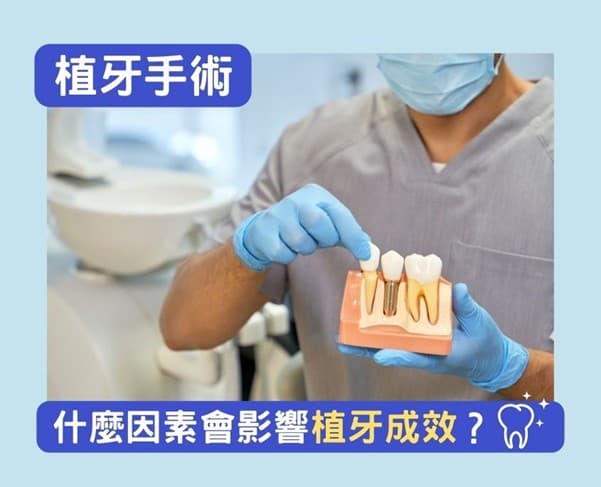
What factors can affect the outcome of dental implants?
Regardless of age, there is a chance that individuals may need to undergo dental implant surgery. Younger people may experience tooth fractures due to intense physical activities, while older individuals may lose teeth due to poor dental health. Missing teeth not only pose cosmetic challenges but also inconvenience in daily life. In such cases, dental implants are often considered the optimal choice. However, many patients mistakenly believe that dental implants are a one-time solution. Dental implants are indeed a treatment process involving different components, and they have a maintenance period. It is not a one-time procedure, and success is not guaranteed.
Q1: What dental implant procedures are available for patients?
Currently, there are two main types of dental implant procedures: computer-guided dental implant surgery and traditional dental implant surgery. Each method has its own advantages.
The computer-guided dental implant surgery has the advantage of creating smaller incisions, resulting in less postoperative pain for patients. However, not every patient is suitable for this surgery, and it is more suitable for patients with good bone conditions. Patients interested in this procedure can consult with a dental clinic. The dentist can analyze the patient's bone condition through a CT scan and determine if they are suitable for the surgery. The skill of the dentist is also a key factor in the success of the procedure.
Q2: Besides the dentist's skill, what factors can affect the effectiveness of dental implants for patients?
1. Personal oral hygiene habits of the patient: The postoperative maintenance of oral hygiene is crucial for the success of dental implants. Patients need to maintain clean oral hygiene, not only for the teeth but also for overall oral health. Poor oral hygiene can lead to peri-implantitis, where bacteria cause inflammation, affecting the artificial implant and potentially causing loosening. Regular dental check-ups and proper maintenance ensure good oral health.
2. Personal health condition of the patient: Patients should honestly inform the dentist of their medical history. Some systemic diseases such as diabetes and heart disease can impact bone regeneration and wound healing abilities, increasing the risk of surgery failure and infection. Additionally, dental conditions like cavities and periodontal disease can lead to peri-implant bone loss and inflammation affecting the artificial implant.
If you have any questions, you can contact your dentist for consultation.