Is TAD Orthodontics Right for You? Faster and More Precise Treatment?
For many patients seeking to improve their dental alignment and bite, traditional orthodontic treatments can be time-consuming, complex, and may even require tooth extractions or surgery. However, Temporary Anchorage Device (TAD) orthodontics has emerged as a groundbreaking modern dental technology that offers greater control, faster treatment times, and solutions for cases that traditional braces may struggle to address.
But is TAD orthodontics suitable for everyone? What are its advantages and limitations? Today, we will provide a comprehensive overview of how this technology works, its benefits, process, risks, and key considerations, helping you make an informed decision!
What is TAD Orthodontics?
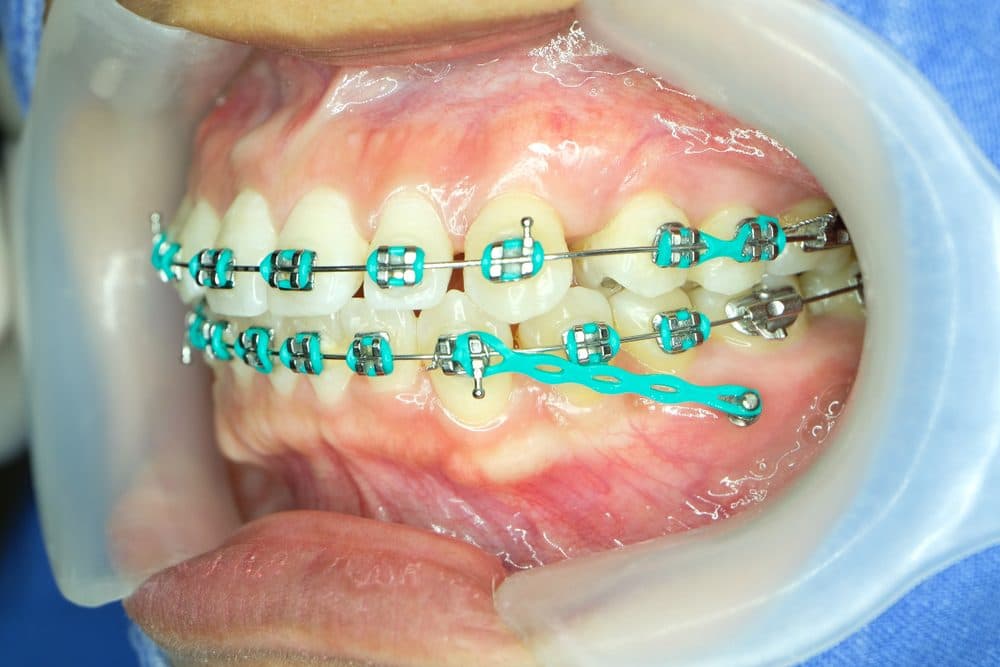
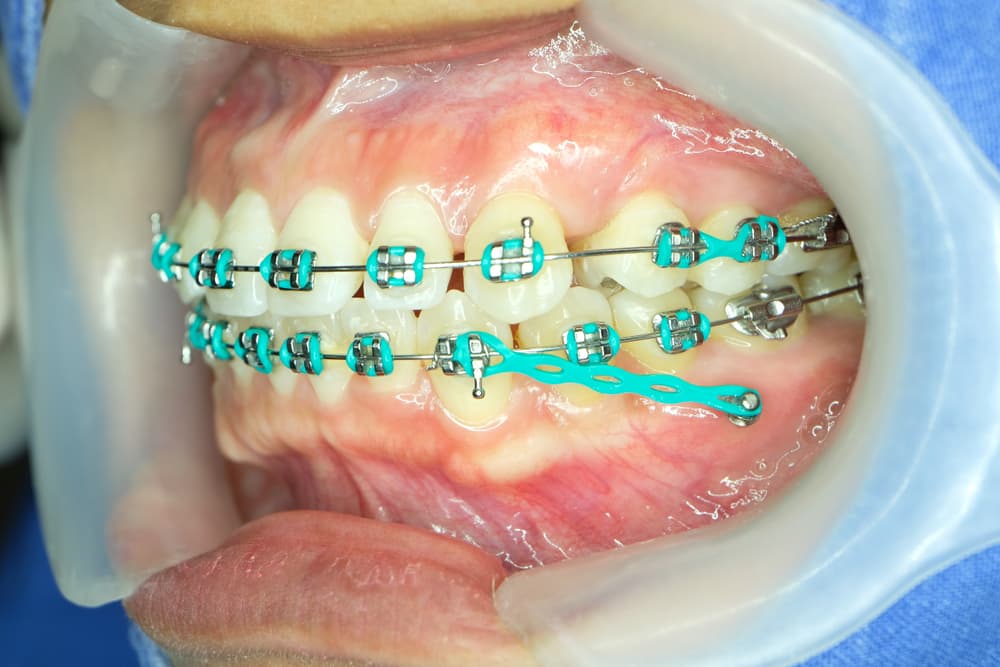
Temporary Anchorage Device (TAD) orthodontics involves the placement of small titanium alloy screws, typically 8-10 mm in length, into the gingiva or alveolar bone to serve as stable anchor points for tooth movement.
🔹 Key Functions of TADs
✔ Provides a stable anchor point – Prevents unintended tooth movement during orthodontic treatment.
✔ Enhances force precision – Allows orthodontists to move teeth with greater accuracy.
✔ Accelerates treatment time – Can shorten overall treatment by 20-30%.
✔ Reduces the need for tooth extractions – Some patients can avoid extractions by adjusting available space with TADs.
TADs are particularly beneficial for adult orthodontics and complex dental alignment cases, such as deep bites, open bites, excessive gingival display, or large gaps between teeth.
TAD Orthodontics vs. Traditional Braces: Which is Right for You?
|
Comparison Criteria |
Traditional Braces |
TAD-Assisted Orthodontics |
|
Treatment Time |
2-3 years or more |
Reduced by 20-30% |
|
Tooth Movement Control |
Relies on braces and elastics |
TADs provide extra stability and precision |
|
Suitability |
General orthodontic cases |
Ideal for complex cases (deep bites, open bites, etc.) |
|
Tooth Extractions |
May be required |
Can reduce the need for extractions |
|
Comfort Level |
Initial discomfort is common |
TADs have minimal discomfort once placed |
TAD orthodontics is especially beneficial for:
🔹 Excessive Gingival Display (Gummy Smile) – TADs can control vertical tooth movement, reducing excessive gum exposure while smiling.
🔹 Deep or Open Bite – TADs provide stable force application to correct severe bite misalignment.
🔹 Large Gaps or Missing Teeth – TADs help move teeth more effectively to close gaps or create space for implants.
🔹 Adult Orthodontics – Since adult teeth move more slowly, TADs enhance efficiency and effectiveness.
The TAD Procedure: What to Expect?
TAD placement is a safe, quick, and minimally invasive process, typically following these steps:
- Local Anesthesia – The orthodontist applies a small amount of local anesthetic to ensure a pain-free procedure.
- TAD Insertion – Using specialized instruments, the TAD is securely positioned into the gingiva or alveolar bone. The procedure takes only 5-10 minutes.
- Stability Check – Once in place, TADs can be used immediately, allowing patients to resume normal activities.
Mild discomfort may occur within the first 1-2 days, but it does not significantly impact daily life. Most patients adapt quickly.
Potential Risks and Limitations of TAD Orthodontics
🛑 Potential Concerns and Considerations
- Mild Discomfort or Sensation
- While most patients adjust easily, some may experience slight gum pressure or awareness of the TADs.
- TAD Loosening or Displacement
- Poor oral hygiene or gum inflammation may cause TADs to loosen, affecting treatment progress.
- Solution: Maintain proper oral hygiene, schedule regular check-ups, and avoid hard foods that may disturb the TADs.
- Limited Suitability
- Not all orthodontic cases require TADs. If the misalignment is mild, traditional braces alone may suffice.
- Requires Regular Follow-Ups
- Orthodontists need to monitor TAD progress and make necessary adjustments for optimal tooth movement.
Is TAD Orthodontics Right for You? Let a Professional Orthodontist Evaluate Your Case!
While TAD-assisted orthodontics offers reduced treatment time and increased precision, suitability depends on each individual's dental condition. If you’re looking for a faster, more comfortable orthodontic solution, TADs may be your best option!